

Det är ingen lätt uppgift att lägga upp en kost som ger rätt mängd vitaminer och mineraler. De flesta människor kan inte – eller vill helt enkelt inte – underkasta sin vardag en noggrann näringsplanering. För idrottare och fysiskt aktiva människor, är dock, insatsen högre: träning ökar behovet av specifika mikronäringsämnen avsevärt, ibland med en faktor två till tre jämfört med en stillasittande person. Brister som inte orsakar några uppenbara symtom hos en inaktiv person kan direkt försämra prestationen, sänka r Ecover y, och öka skaderisken hos någon som tränar regelbundet. Riktade kosttillskott är ett av de mest praktiska sätten att fylla dessa luckor.
Varför idrottare har större näringsbehov
Intensiv fysisk aktivitet påskyndar praktiskt taget alla metaboliska processer i kroppen. Energiomsättningen ökar, musklerna utsätts för upprepad påfrestning och repareras, och svett transporterar bort mineraler som inte lätt ersätts enbart genom kosten. Immunsystemet utsätts också för extra påfrestningar under perioder av hård träning. B-vitaminer, som stöder energimetabolismen, förbrukas snabbare. Magnesium, zink, natrium, kalium, och järn går förlorade i svett och urin i ökad takt. C-vitamin förbrukas snabbare eftersom det används för att neutralisera de fria radikaler som bildas under ansträngning.
En välplanerad kost kan täcka mycket av detta – men att täcka allt, konsekvent, under veckor och månader av träning, är svårt i praktiken. Att förstå vilka vitaminer och mineraler som är viktigast för idrottare är utgångspunkten för ett förnuftigt tillskott. Vårt kompletta sortiment av vitaminer och kosttillskott täcker alla viktiga mikronäringsämnen som diskuteras nedan.
Viktiga vitaminer för idrottsprestationer
B-vitaminer: energimetabolism och nervsystemets funktion
B-vitaminerna är utan tvekan de viktigaste för fysiskt aktiva människor. Vitaminerna B1 (tiamin), B2 (riboflavin), B6 (pyridoxin), och B12 är direkt involverade i omvandlingen av mat till användbar energi — särskilt i metabolismen av kolhydrater, proteiner, och fetter. När energiförbrukningen ökar, ökar också behovet av dessa kofaktorer. B6 stöder även metabolismen av aminosyror och produktionen av röda blodkroppar, medan B12 är avgörande för neurologisk funktion och DNA-syntes. Idrottare som följer en växtbaserad kost löper särskilt stor risk för B12-brist, eftersom det nästan uteslutande finns i animaliska produkter.
Rekommenderade dagliga intag för idrottare med hög träningsvolym (4+ pass per vecka) ligger betydligt över standardreferensvärdena: B1 upp till 6–8 mg, B2 upp till 5–10 mg, B6 upp till 4–7 mg, och B12 upp till 5–10 mcg. Utforska vår vitamin B-kollektion för fristående och komplexa B-formler från pålitliga varumärken.
Vitamin C: Kollagen, järnupptag, och antioxidantförsvar
. Vitamin C bidrar till syntesen av kollagen, vilket är det primära strukturproteinet i bindväv – senor, ligament, och brosk är alla beroende av det. För idrottare, har detta direkt betydelse för ledernas motståndskraft och återhämtning Ecover från belastning av mjukvävnaden. C-vitamin förbättrar också upptaget av icke-hemjärn från växtkällor, vilket är en viktig faktor för uthållighetsidrottare och de som undviker rött kött. Som en vattenlöslig antioxidant, hjälper det till att neutralisera de fria radikaler som produceras under högintensiv träning – en mekanism som kan bidra till att minska fördröjd muskelvärk ((DOMS)) och stödja snabbare återhämtning Ecover. Idrottare som tränar intensivt kan ha nytta av ett intag på 300–400 mg per dag.
Vitamin D: Benstyrka och muskelfunktion
Vitamin D bidrar till kalciumupptag och normal muskelfunktion – båda är grundläggande för idrottsprestationer och förebyggande av skador. Tillräckliga vitamin D-nivåer är förknippade med starkare ben och lägre risk för frakturer, minskad förekomst av muskelsvaghet, samt bättre immunfunktion. Brist är vanligt i hela Europa, särskilt under höst- och vintermånaderna när solexponeringen är begränsad. Idrottare som huvudsakligen tränar inomhus löper en extra risk. Tillskott av vitamin D3 stöds av gedigen forskning och är en av de mest kostnadseffektiva näringsinterventionerna som finns. Vår vitamin D-kollektion innehåller ett brett utbud av doseringsalternativ.
Vitamin A och vitamin E
Vitamin A stöder syntesen av binjurehormoner, som spelar en roll i regleringen av normal muskelfunktion, och bidrar till immunförsvaret — en viktig faktor för idrottare vars immunförsvar regelbundet utsätts för påfrestningar genom träningsbelastning. Vitamin E är en fettlöslig antioxidant som hjälper till att skydda cellmembranen mot oxidativ skada, stöder normal funktion hos röda blodkroppar, och kan bidra till att minska träningsrelaterade muskelkramper. Båda vitaminerna verkar synergistiskt med vitamin C som en del av kroppens bredare antioxidantsystem.
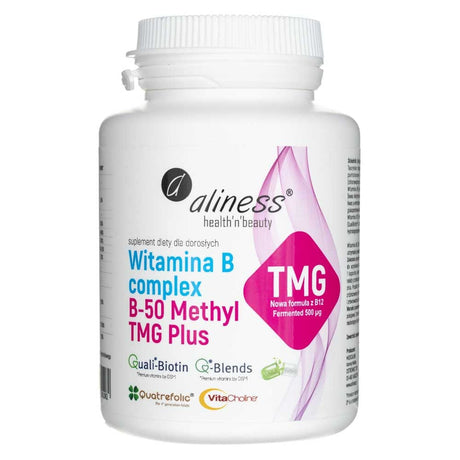


Aliness
Aliness Vitamin B-komplex B-50 Methyl plus TMG - 100 vegokapslar
Ordinarie pris 219,09 krEnhetspris2,19 kr vardera


Aliness
Aliness Vitamin B-komplex B-15 Methyl - 100 vegokapslar
Ordinarie pris 126,49 krEnhetspris1,26 kr vardera


Now Foods
Now Foods Vitamin C-1000 med nypon och bioflavonoider - 100 tabletter
Ordinarie pris 114,69 krEnhetspris1,15 kr vardera


Now Foods
Now Foods Vitamin D3 2000 IE - 120 mjuka geler
Ordinarie pris 65,59 krEnhetspris0,55 kr vardera


Aliness
Aliness C-vitamin 1000 mg - 100 vegokapslar
Ordinarie pris 131,09 krEnhetspris1,31 kr vardera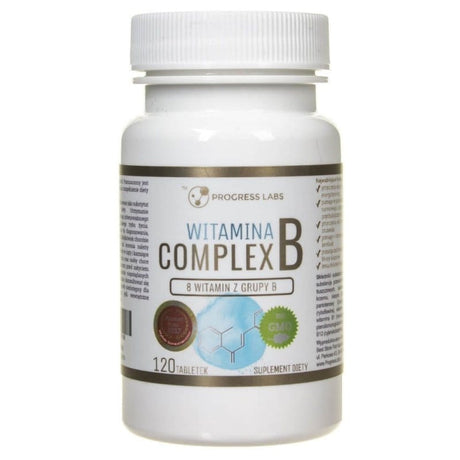


Progress Labs
Progress Labs Vitamin B-komplex - 120 tabletter
Ordinarie pris 71,39 krEnhetspris0,59 kr vardera


Swanson
Swanson C-vitamin med nypon 1000 mg - 90 kapslar
Ordinarie pris 79,59 krEnhetspris0,88 kr vardera


Viktiga mineraler för idrottare
Magnesium: Energiproduktion och muskelåterhämtning Ecover y
Magnesium deltar i över 300 enzymatiska reaktioner i kroppen, inklusive ATP-syntes – den process genom vilken celler genererar energi. För idrottare, gör detta att det har direkt betydelse för uthållighet och kraftproduktion. Magnesium stöder också muskelproteinsyntes, nervimpulsöverföring, och avslappningsfasen vid muskelkontraktion. Brist är ett av de vanligaste näringsunderskotten hos fysiskt aktiva personer, delvis eftersom magnesium går förlorat i svett och ofta är otillräckligt i modern kost. Inte alla former absorberas lika bra: magnesiumcitrat, bisglycinat, och malat tolereras i allmänhet bättre och är mer biotillgängliga än magnesiumoxid.
Järn: syretransport och uthållighet
Järn är centralt för hemoglobin och myoglobin – de proteiner som transporterar respektive lagrar syre i blod och muskelvävnad. Järnbrist är den vanligaste näringsbristen i världen och är särskilt utbredd bland uthållighetsidrottare, kvinnliga idrottare, och vegetarianer. Även en mild järnbrist – innan tröskeln för klinisk anemi nås – kan orsaka mätbara minskningar av den aeroba kapaciteten och ökad trötthet under träning. Idrottare bör prioritera järn från kosten och överväga kosttillskott endast när brist har bekräftats genom blodprov, eftersom överskott av järn kan vara skadligt. Vår samling av järntillskott innehåller milda, och väl tolererade former.
Zink: Hormonsyntes, Immunitet, och vävnadsreparation
Zink är involverat i syntesen av insulin, sköldkörtelhormoner, och tillväxthormon — vilka alla påverkar kroppssammansättning och muskelutveckling. Det påskyndar också sår- och vävnadsläkning och stöder normal immunfunktion, som ofta är nedsatt hos idrottare under perioder med hög träningsintensitet. Liksom magnesium, förloras zink genom svett och kan vara otillräckligt i kost som är låg på animaliskt protein.
Kalcium, Natrium, och Kalium
Kalcium stöder bentätheten och är direkt involverat i muskelkontraktion och -avslappning — inklusive hjärtmuskeln. Idrottare som utövar högintensiva sporter eller som begränsar sitt intag av mejeriprodukter bör vara uppmärksamma på sitt kalciumintag, där rekommenderade mängder för personer som tränar intensivt uppgår till 2–4 g per dag. Natrium och kalium är de primära elektrolyterna som styr vätskebalansen, nervimpulsledningen, och upprätthållandet av syra-basbalansen i muskelvävnaden. Båda förloras i betydande mängder genom svett under långvarig eller intensiv träning. Att ersätta elektrolyter under och efter långa träningspass är en viktig del av återhämtning och uthållig prestation.

Doctor's Best
Doctor's Best Magnesium med hög absorptionsförmåga 100 mg - 120 tabletter
Ordinarie pris 187,39 krEnhetspris1,56 kr vardera
Now Foods
Now Foods Magnesiumbisglycinatpulver - 227 g
Ordinarie pris 196,79 krEnhetspris866,92 kr /kg


Att sätta ihop det: En praktisk metod
Den viktigaste principen är att prioritera identifierade brister framför generisk tillskottsbehandling. En enkel blodanalys som täcker vitamin D, järn (inklusive ferritin), magnesium, och B12 kommer att ge dig mer information än någon marknadsföringspåstående om vilka kosttillskott du faktiskt behöver. Utöver det, några praktiska riktlinjer:
- B-komplex och C-vitamin är vattenlösliga och tolereras väl — de är rimliga baskosttillskott för de flesta idrottare
- Vitamin D3-tillskott under hösten och vintern rekommenderas allmänt för den europeiska befolkningen oavsett aktivitetsnivå
- Magnesiumcitrat eller bisglycinat är värt att överväga för alla som tränar fyra eller fler gånger per vecka, särskilt om sömnkvaliteten eller muskelåterhämtningen problem
- Järntillskott bör endast ges om blodprover visar på ett verkligt behov
- Elektrolytbalansen är viktigast under långvariga pass som överstiger 60–90 minuter — intag av mat och vätska täcker ofta kortare träningspass tillräckligt
Bläddra i vårt särskilda vår sportnäringskollektion för ett komplett sortiment av produkter utformade för att stödja en aktiv livsstil, från enskilda mikronäringsämnen till heltäckande formler.
Den här artikeln är endast i informationssyfte och ersätter inte medicinsk rådgivning. Om du har hälsoproblem, är gravid, ammar eller tar läkemedel, rådfråga läkare eller apotek. Kosttillskott ersätter inte en varierad kost.


