

Vi har säkert alla varit med om att gå in i ett rum och inte kunna komma ihåg varför vi gick dit, eller ha svårt att minnas ett namn som vi egentligen kan utantill. När detta händer då och då, är det inget att oroa sig för. Men minnet och koncentrationsförmågan försämras med åldern – och för många människor, märks försämringen långt tidigare än de hade förväntat sig. Den uppmuntrande verkligheten är att kognitiv funktion inte enbart är förutbestämd av genetik eller ålder. Kost, kosttillskott, sömn, och dagliga vanor har alla en mätbar effekt på hur väl hjärnan bearbetar, lagrar, och hämtar information.
Varför minne och koncentration försämras
Kognitiv försämring har flera bidragande faktorer, varav många är påverkbara. Kronisk stress höjer kortisolnivån, vilket med tiden skadar Hipp hippocampus – den hjärnregion som är central för minnesbildning. Dålig sömn försämrar hjärnans förmåga att konsolidera ny information och rensa bort metaboliska avfallsprodukter som ackumuleras under vakna timmar. Näringsbrister – särskilt B12, magnesium, och omega-3-fettsyror – påverkar direkt hur väl nervcellerna fungerar och kommunicerar. Stillasittande vanor minskar blodflödet till hjärnan, medan social isolering och brist på mental stimulans påskyndar kognitiv åldrande.
Vissa medicinska tillstånd och läkemedel kan också påverka minnet och koncentrationen. Om kognitiva symtom är allvarliga, plötsliga, eller snabbt förvärras, kräver de medicinsk utvärdering snarare än enbart egenvård.
Näring för hjärnhälsa
Hjärnan är metaboliskt krävande – den står för ungefär 20 % av kroppens totala energiförbrukning trots att den endast utgör 2 % av dess massa. Den kräver en kontinuerlig tillförsel av specifika näringsämnen för att upprätthålla struktur och funktion.
DHA och omega-3-fettsyror
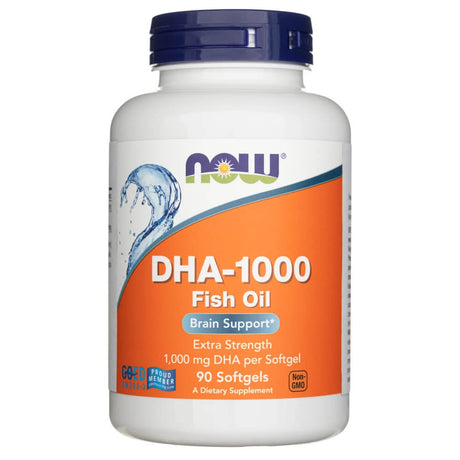
DHA (dokosahexaensyra) är den dominerande strukturella fettsyran i hjärnvävnaden, och utgör en betydande del av nervcellernas membran. Den bidrar till dessa membraners rörlighet och funktion, och stöder synaptisk överföring och neuroplasticitet. Forskning kopplar konsekvent ett adekvat intag av DHA till bättre kognitiv prestanda, och dess nivåer i hjärnan minskar med åldern. EPA och DHA bidrar tillsammans till normal hjärnfunktion — ett påstående som stöds av EU-lagstiftning. Fet fisk två till tre gånger i veckan ger betydande mängder; tillskott med koncentrerad omega-3 är det praktiska alternativet för dem som inte äter fisk regelbundet. Utforska vårt sortiment av fiskolja och omega-3 för ett brett utbud av alternativ.
B-vitaminer – särskilt B12 och B6
Vitamin B12 är viktigt för att upprätthålla myelinskidorna – det skyddande höljet runt nervfibrerna som möjliggör effektiv signalöverföring. Brist är nära förknippat med kognitiva symtom, inklusive minnesproblem, koncentrationssvårigheter, och mental trötthet. Det är särskilt vanligt hos äldre vuxna (på grund av minskad absorption), hos vegetarianer och veganer (på grund av brist i kosten), och hos personer som tar vissa långvariga läkemedel, såsom metformin. B6 krävs för syntesen av neurotransmittorer, inklusive serotonin och dopamin, vilka båda påverkar humör, motivation, och kognitiv funktion. Vår B-vitaminkollektion innehåller både fristående B12 och omfattande B-komplexformler.
Vitamin E och antioxidanter
Hjärnan är mycket känslig TiB för oxidativ stress på grund av sin höga syreförbrukning och relativt begränsade antioxidantförsvar. Vitamin E är en fettlöslig antioxidant som kan bidra till att skydda nervcellernas membran mot lipidperoxidation. Forskning tyder på att ett tillräckligt intag av vitamin E är förknippat med en långsammare åldersrelaterad kognitiv försämring. Bra kostkällor är bland annat mandlar, solrosfrön, avokado, spenat, och vegetabiliska oljor — även om koncentrerade kosttillskott ofta används när intaget via kosten är otillräckligt.
Magnesium
Magnesium spelar en nyckelroll i synaptisk plasticitet – hjärnans förmåga att stärka eller försvaga kopplingar mellan nervceller som svar på aktivitet. Detta är en av de centrala mekanismerna som ligger till grund för inlärning och minne. Det modulerar också NMDA-receptorn, som är central för minnesbildning. Magnesiumbrist är vanligt och förknippas med ökad ångest, dålig sömnkvalitet, och nedsatt kognitiv funktion – faktorer som alla förstärker varandra. För kognitiva tillämpningar, föredras ofta former med god hjärnpenetration, såsom magnesiumglycinat eller bisglycinat. Bläddra i vår magnesiumkollektion för ett urval av former och doser.
Örter och växtextrakt som kan stödja kognitiv funktion
Ginkgo Biloba
Ginkgo biloba är ett av de mest studerade örtextrakten inom forskning om kognitiv hälsa. Det används traditionellt för att stödja blodflödet i hjärnan och har undersökts för sin potential att stödja minne och mental klarhet, särskilt hos äldre vuxna. Dess effekter tillskrivs flavonoidglykosider och terpenlaktoner, som har antioxidativa och kärlvidgande egenskaper.
Bacopa Monnieri
Bacopa är en ayurvedisk ört med en lång tradition av användning för minne och inlärning. Modern forskning tyder på att den kan stödja konsolideringen av ny information och minska glömskan. Effekter observeras vanligtvis efter flera veckors konsekvent användning snarare än akut. Den anses vara en av de växtbaserade adaptogenerna med bäst dokumenterad effekt för kognitivt stöd.
Lion's Mane-svamp
Hericium erinaceus, allmänt känd som, är en funktionell svamp som har väckt stort forskningsintresse för sin potential att stimulera syntesen av nervtillväxtfaktor (NGF). NGF spelar en viktig roll i underhållet och regenereringen av nervceller. Lejonmanen används allt oftare som en del av dagliga rutiner för kognitiv hälsa, särskilt för fokus och mental klarhet.
Adaptogener: Ashwagandha, rosenrot, och ginseng
. Adaptogener är växtämnen som hjälper kroppen att hantera fysiologisk stress – en relevant mekanism för kognitiv hälsa, eftersom kronisk stress är en av de vanligaste orsakerna till försämrat minne och koncentrationssvårigheter. Ashwagandha (Withania somnifera) har i kliniska studier visat sig stödja arbetsminnet och reaktionstiden, samt sänka kortisolnivåerna. Rhodiola rosea kan stödja mental uthållighet och minska mental trötthet, särskilt under krävande kognitivt arbete. Koreansk ginseng har en lång historia av traditionell användning för mental energi och klarhet. Dessa ämnen finns i vår samling av örtkosttillskott.


Now Foods
Now Foods DHA-1000 Hjärnstöd, Extra styrka - 90 softgels
Ordinarie pris 456,39 krEnhetspris5,07 kr vardera


Aliness
Aliness Vitamin B12 Metylkobalamin 950 mcg - 100 vegokapslar
Ordinarie pris 123,99 krEnhetspris1,24 kr vardera


Now Foods
Now Foods Ginkgo Biloba 60 mg - 120 vegokapslar
Ordinarie pris 160,29 krEnhetspris1,34 kr vardera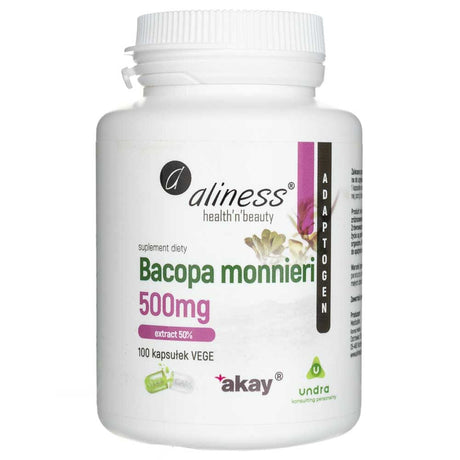


Aliness
Aliness Bacopa Monnieri 500 mg - 100 vegokapslar
Ordinarie pris 142,69 krEnhetspris1,43 kr vardera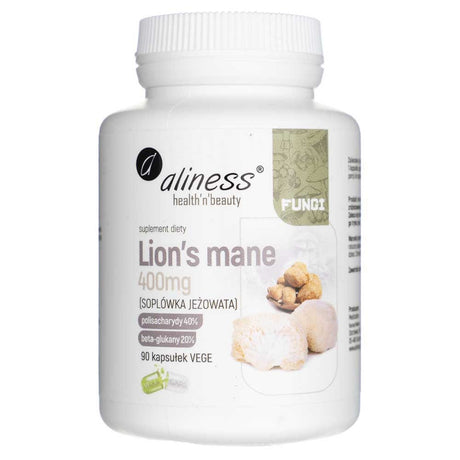


Aliness
Aliness Lion's Mane 400 mg - 90 vegokapslar
Ordinarie pris 177,69 krEnhetspris1,97 kr vardera

 10% rabatt
Jarrow Formulas
Jarrow Formulas Citicoline (CDP Choline) 250 mg - 120 kapslar
Försäljningspris 631,97 kr Ordinarie pris 702,19 krEnhetspris5,27 kr vardera


Livsstilsvanor som stärker minnet
Sömn
Sömn är inte passiv. Under sömn med långsamma vågor och REM-sömn, återuppspelar och konsoliderar hjärnan dagens upplevelser, och överför information från korttidsminnet till långtidsminnet. Det glymfatiska systemet – hjärnans mekanism för avfallshantering – är som mest aktivt under djupsömn, och avlägsnar metaboliska biprodukter som ackumuleras under vakna timmar. Att konsekvent sova mindre än sju timmar per natt försämrar mätbart minneskonsolideringen och de exekutiva funktionerna. Om sömnkvaliteten är ett återkommande problem, kan vår kollektion med sömnhjälpmedel vara en bra utgångspunkt.
Fysisk aktivitet
Aerob träning ökar blodflödet till hjärnan och stimulerar frisättningen av BDNF ((Brain-Derived Neurotrophic Factor)) – ett protein som stöder tillväxt, underhåll, och plasticitet hos nervceller. Även måttlig aktivitet, såsom en 30-minuters rask promenad, har visat sig förbättra arbetsminnet och den exekutiva funktionen akut. Regelbunden träning under månader och år är en av de mest tillförlitliga åtgärderna för att bevara den kognitiva funktionen med åldern.
Mental stimulans
Hjärnan reagerar på utmaningar. Aktiviteter som kräver aktivt engagemang – att läsa, lära sig ett nytt språk eller ett instrument, lösa pussel, spela strategiska spel – stärker nervförbindelserna och bidrar till vad forskare kallar kognitiv reserv: en buffert mot åldersrelaterad försämring. Passiv underhållning ger inte samma fördel. Att regelbundet introducera nya kognitiva utmaningar är effektivare än att upprepa bekanta sådana.
Stresshantering
Kronisk psykologisk stress är verkligen skadlig för den kognitiva funktionen. Långvarigt förhöjt kortisol minskar Hipp hjärnans volym över tid och försämrar bildandet av nya minnen. Metoder som pålitligt minskar stressreaktionen — meditation, yoga, kontrollerad andning, tid i naturen — har mätbara positiva effekter på både mental klarhet och minne. Dessa är inte perifera livsstilsförslag utan evidensbaserade komponenter i en strategi för kognitiv hälsa.
Att sätta ihop det
Att förbättra minne och koncentration handlar inte om en enskild åtgärd – det är den kumulativa effekten av kost, sömn, rörelse, stresshantering, och riktade kosttillskott som samverkar. Det finns inget ämne som kan ersätta tillräcklig sömn, precis som ingen mängd sömn kan kompensera för allvarlig näringsbrist. Det mest effektiva tillvägagångssättet är att identifiera de svagaste länkarna i dina egna vanor och ta itu med dem först, för att sedan lägga till riktade kosttillskott där det finns verkliga brister.
Bläddra i vårt fullständiga sortiment för hjärn- och kognitiv hälsa för ett omfattande utbud av kosttillskott som stöder minne, fokus, och mental klarhet.
Den här artikeln är endast i informationssyfte och ersätter inte medicinsk rådgivning. Om du har hälsoproblem, är gravid, ammar eller tar läkemedel, rådfråga läkare eller apotek. Kosttillskott ersätter inte en varierad kost.


