

Graviditeten ställer extraordinära krav på kvinnans kropp. Att bara äta mer räcker inte Enough för att förebygga näringsbrister – faktum är, att behovet av vissa vitaminer under graviditeten kan öka med upp till det dubbla. En välbalanserad kost är en viktig grund, men det är extremt svårt att upprätthålla optimala vitaminnivåer enbart genom mat när kroppen bygger upp ett helt nytt liv. Vilka vitaminer är då viktigast för både mammans och barnets hälsa?
Folsyra — Det viktigaste vitaminet före och under graviditeten
Folsyra (, vitamin B9, även känt som folat), anses allmänt vara det enskilt viktigaste tillskottet för kvinnor som planerar en graviditet eller redan är gravida. Kroppen producerar inte folsyra på egen hand, så den måste intas via kosten eller kosttillskott.
Folsyra ansvarar för bildandet av röda blodkroppar, vilket bidrar till att minska risken för anemi – en av de vanligaste komplikationerna under graviditeten. Utöver det, spelar det en avgörande roll för utvecklingen av fostrets nervsystem, särskilt hjärnan och ryggmärgen. Ett tillräckligt intag av folsyra har visat sig minska risken för neuralrörsdefekter med upp till 70 %. Det hjälper också till att reglera homocysteinnivåerna – förhöjda homocysteinnivåer under graviditeten kan vara förknippade med utvecklingsavvikelser, inklusive neuralrörsdefekter och gomspalt.
Idealt sett bör kvinnor börja ta folsyra ungefär tre månader före befruktningen. Detta beror på att folsyra har störst effekt under de tidigaste stadierna av graviditeten, när nervsystemet bildas. Den rekommenderade dosen under perioden före befruktningen är 400 mcg per dag, och ökar till upp till 800–1, 000 mcg per dag under graviditeten, beroende på individuella behov och medicinsk rådgivning.
Kolin — För hjärnans utveckling och kognitiva funktion
Kolin (, som ibland klassificeras som vitamin B4), är ett näringsämne som ofta förbises inom mödravården, men som ändå spelar en avgörande roll för utvecklingen och funktionen av fostrets nervsystem. Forskning utförd på barn i sjuårsåldern visade att kolintillskott till modern under graviditeten var förknippat med förbättrad kognitiv prestationsförmåga.
Kolin stöder minnesprocesser och psykologisk funktion, och kan bidra till att minska risken för stressrelaterade tillstånd såsom graviditetsdiabetes och högt blodtryck. Precis som folsyra, bidrar även kolin till att sänka homocysteinnivåerna, vilket ytterligare stödjer en sund fosterutveckling. Dessutom, spelar kolin en direkt roll i moderkakans funktion, genom att stödja den aktiva transporten av essentiella näringsämnen – inklusive DHA – genom moderkakan till det växande barnet.
Trots sin betydelse ingår kolin inte alltid i vanliga multivitaminer för gravida, vilket är anledningen till att ett särskilt kolintillskott kan vara värt att överväga vid sidan av en prenatal formula.
Vitamin D3 — Stödjer benhälsa och mycket mer
Vitamin D3 är viktigt för att upprätthålla en korrekt kalcium- och fosformetabolism, men dess roll sträcker sig långt bortom benhälsa. Vitamin D är involverat i transkriptionsprocessen för över 200 gener och stöder funktionen hos ett stort antal vävnader, organ, och celler i hela kroppen.
Vitamin D-brist under graviditeten kan öka risken för preeklampsi och kan leda till att barnet föds med låga vitamin D-nivåer. På lång sikt, kan detta leda till dålig benmineralisering, rakit, och en potentiellt ökad risk för autoimmuna sjukdomar, diabetes, och vissa cancerformer senare i livet.
Tillskott av vitamin D3 bör helst påbörjas under fasen före befruktningen med standarddosen för vuxna (, vanligtvis 1, 000–2, 000 IE per dag beroende på utgångsnivåerna). Från och med andra trimestern, kan dosen höjas till 1, 500–2, 000 IE per dag, även om detta alltid bör ske under vägledning av vårdpersonal och, där så är möjligt,, baserat på blodprovsresultat.
För ett omfattande urval av graviditetsspecifika preparat, utforska vår hälsa under graviditeten-kollektion hos Medpak.
 5% rabatt
Life Extension
Life Extension Prenatal Advantage - 120 softgels
Försäljningspris 344,41 kr Ordinarie pris 363,49 krEnhetspris2,87 kr vardera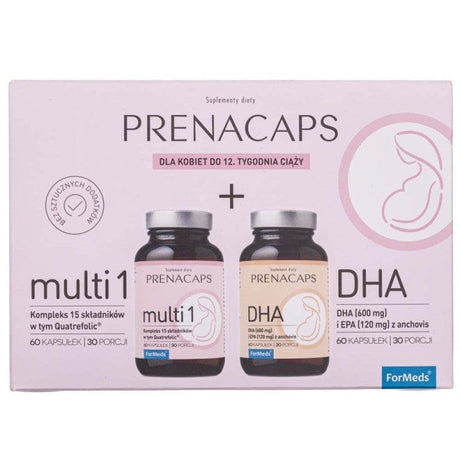


Andra viktiga vitaminer för ett komplett kosttillskott för gravida
Medan folsyra, kolin, och vitamin D3 är hörnstenarna i kosttillskott för gravida, bör ett väl-formulerat multivitaminpreparat för gravida bör också innehålla flera andra viktiga näringsämnen:
- C-vitamin — en kraftfull antioxidant som stöder immunfunktionen och förbättrar järnupptaget, vilket är särskilt viktigt under graviditeten när järnbehovet ökar avsevärt
- E-vitamin — en annan viktig antioxidant som tillsammans med folsyra stödjer en korrekt utveckling av nervsystemet hos fostret
- B-komplexvitaminer — utöver folsyra och kolin, bidrar vitamin B1 ((tiamin)), B6 ((pyridoxin)), och B12 ((cyanokobalamin)) alla till en sund funktion hos nerv- och hjärt-kärlsystemet. Vitamin B3 (niacin) är också värt att nämna för sin roll i att minska risken för medfödda hjärtfel
- DHA (omega-3) — en essentiell fettsyra som stödjer hjärn- och ögonutvecklingen hos fostret, och kan bidra till ett hälsosamt graviditetsutfall totalt sett
Endast ett kosttillskott för gravida med en genomtänkt sammansättning har en verklig chans att på ett meningsfullt sätt stödja fostrets utveckling. När du jämför produkter, bör du inte bara titta på vilka näringsämnen som ingår, utan även på deras former och doser. Bläddra bland våra vitamin B-tillskott för enskilda B-vitaminer som kan komplettera en prenatal formula.
Rekommenderade doser — När mängden spelar roll
Under graviditeten, spelar både typen och mängden av varje vitamin stor roll. Näringsbehovet ökar avsevärt, och att få rätt dosering är avgörande för både moderns och fostrets hälsa.
Fasen före befruktningen
- Folsyra: 400 mcg per dag
- Vitamin D3: 1, 000–2, 000 IE per dag (beroende på utgångsstatus)
Under graviditeten
- Folsyra: upp till 800–1, 000 mcg per dag
- Vitamin D3: 1, 500–2, 000 IE per dag (från andra trimestern)
Naturligtvis, sträcker sig en gravid kvinnas näringsbehov långt bortom enbart dessa två vitaminer. Järn, jod, magnesium, kalcium, och DHA är alla näringsämnen som kan kräva ökat intag under graviditeten. Det är just därför det är så viktigt att välja rätt kosttillskott för gravida – och helst samarbeta med en vårdgivare för att skräddarsy tillskottet. En balanserad kost i sig kanske inte räcker för att möta de ökade kraven under graviditeten.
För enskilda näringsämnen som kompletterar din kosttillskottsrutin, innehåller våra fiskolje- och omega-3-kosttillskott DHA-formler som är särskilt utformade för graviditet och amning.
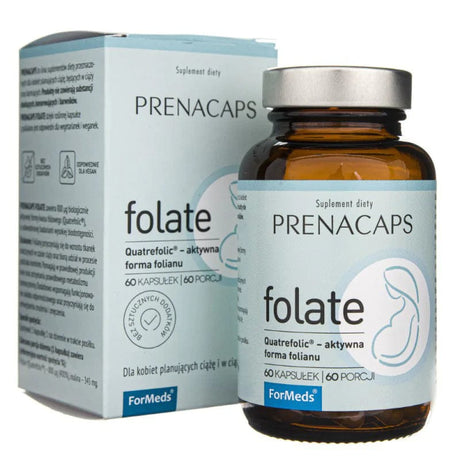


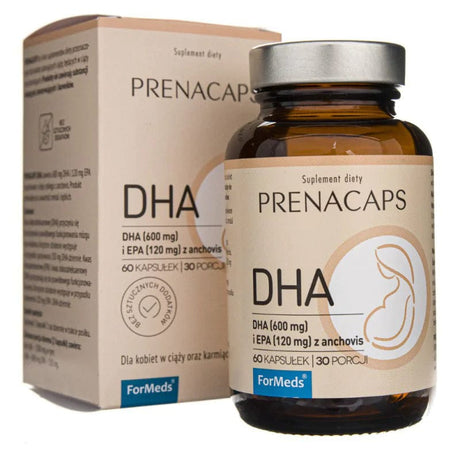


Aliness
Aliness PrenaCare ® START för kvinnor - 60 kapslar
Ordinarie pris 167,99 krEnhetspris2,80 kr vardera


Viktigaste poängen: De tre viktigaste vitaminerna att prioritera under graviditeten är folsyra (som bör tas tre månader före befruktningen), kolin, och vitamin D3. Ett komplett multivitaminpreparat för gravida som täcker B-vitaminer, C-vitamin, E-vitamin, och DHA kompletterar grunden. Samarbeta med din vårdgivare för att fastställa rätt doser för dina individuella behov.
Den här artikeln är endast i informationssyfte och ersätter inte medicinsk rådgivning. Om du har hälsoproblem, är gravid, ammar eller tar läkemedel, rådfråga läkare eller apotek. Kosttillskott ersätter inte en varierad kost.


