

Mangan är ett spårämne av enorm betydelse för kroppen. Det påverkar många processer i människokroppen, men dess största inverkan har utan tvekan på nervsystemet och benhälsan. Dessutom, spelar mangan en viktig roll för libido och sexuell funktion, vilket gör det till en viktig del av en balanserad daglig kost. Av dessa skäl, bör mangan intas i tillräckliga men inte överdrivna mängder, eftersom både brist och överskott kan leda till negativa hälsokonsekvenser.
Att förstå mangan
Mangan är ett spårämne som finns i människokroppen i de reaktiva centrumen hos många enzymer. Det klassificeras som ett essentiellt mikronäringsämne, vilket innebär att dess inflytande på kroppens processer är avgörande för att den ska fungera korrekt. Till skillnad från vissa mikronäringsämnen där mer är bättre, kräver mangan en noggrann balans: varken för högt eller för lågt.
Överdrivet intag av mangan kan leda till allvarliga hälsoproblem, inklusive neurologiska störningar, sömnsvårigheter, och irritabilitet. Det kan också störa upptaget av andra viktiga näringsämnen, däribland järn, zink, magnesium, kalcium, och koppar. Därför är det viktigt att upprätthålla optimala nivåer genom en balanserad kost eller lämpliga kosttillskott.
Mangan finns i olika vävnader i hela kroppen, inklusive njurarna, hjärnan, bukspottkörteln, och levern. Det ingår också i många enzymer som är involverade i nedbrytningen och upptaget av kolhydrater, proteiner, och fetter.
Manganets viktigaste funktioner
Mangan fyller flera viktiga roller för att upprätthålla allmän hälsa och välbefinnande. Att förstå dessa funktioner hjälper till att förklara varför detta spårämne förtjänar uppmärksamhet i din hälsorutin.
Benhälsa och benstruktur
Mangan är viktigt för korrekt benbildning och mineralisering. Det bidrar till benets hårdhet och motståndskraft mot frakturer, vilket gör det särskilt viktigt för dem som vill behålla starka ben hela livet. Mineralet stärker också bindväv, och bidrar till en sund ledfunktion. För ett heltäckande stöd för benen, utforska våra kosttillskott för ben, leder, och brosk.
Stöd för nervsystemet
Hjärnan, tillsammans med levern, njurarna, bukspottkörteln, och benen, innehåller de högsta koncentrationerna av mangan i kroppen. Detta spårämne stöder nervsystemets och hjärnans funktion, och kan potentiellt bidra till att:
- Stödja minnesfunktionen
- Främja mental fokus och koncentration
- Bidra till normal psykologisk funktion
På grund av dess påverkan på nervsystemet ingår mangan ofta tillsammans med magnesium och lecitin i kosttillskott som är avsedda att stödja kognitiv funktion. De som är intresserade av mental prestationsförmåga kan ha nytta av att utforska vårt kosttillskott för hjärnan och kognitiva funktioner.
Energiomsättning
Mangan deltar i syntesen av många enzymer, inklusive peptidaser, arginaser, och karboxylaser. Det ansvarar för metabolismen av proteiner, kolhydrater, och fetter, vilket gör det till en extremt viktig faktor i energiproduktionen. Mineralet aktiverar också enzymer som hjälper till att absorbera vitaminer, inklusive B-vitaminer, C-vitamin, E-vitamin, och biotin.
Stöd för blod och cirkulation
När det gäller cirkulationssystemet, påverkar mangan produktionen av röda blodkroppar och underlättar järnupptaget, vilket bidrar till att förebygga anemi. För dem som fokuserar på järnnivåer kan, manganrika livsmedel eller kosttillskott komplettera järntillskott effektivt.

Swanson
Swanson Albion Mangan Chelate 10 mg - 180 kapslar
Ordinarie pris 98,99 krEnhetspris0,55 kr vardera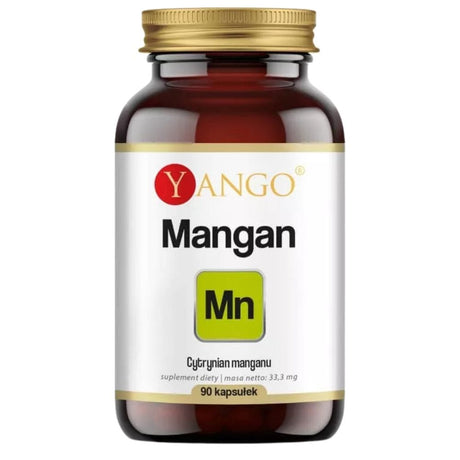


Aliness
Aliness DuoFlexin Starka ben och leder - 90 kapslar
Ordinarie pris 227,79 krEnhetspris2,53 kr vardera 15% rabatt
Formeds
Formeds Pulver Multi Minerals - 282 g
Försäljningspris 175,18 kr Ordinarie pris 206,19 krEnhetspris621,21 kr /kg


Ytterligare fördelar
Mangan är ett mineral som generellt stärker kroppen och hjälper till att bekämpa trötthet samtidigt som det förbättrar muskelreflexerna. Forskning har också visat att det har en positiv inverkan på:
- Reglering av sköldkörtelhormon - stödjer ämnesomsättningen
- Antioxidantförsvar - hjälper till att neutralisera fria radikaler
- Reproduktiv hälsa - stödjer fertilitet och libido
- Kolesterolmetabolism - påskyndar kolesterolsyntesen
- Fosterutveckling - särskilt bildandet av hörselorganen under graviditeten
Tillsammans med zink, mangan stöder organismens tillväxt och utveckling, vilket gör ett adekvat intag viktigt under alla livsfaser.
Livsmedelskällor för mangan
Mangan finns inte i överflöd i en typisk kost om den inte medvetet balanseras. Att veta vilka livsmedel som innehåller detta viktiga mineral hjälper till att säkerställa ett tillräckligt intag genom kostval.
Bästa källor
De högsta halterna av mangan finns i:
- Kryddnejlika – en av de rikaste källorna
- Fullkornsprodukter - bröd, pasta, spannmål
- Havre och havreflingor
- Baljväxter - bönor, linser, kikärter
- Skaldjur
- Bovete
- Nötter - särskilt hasselnötter och pekannötter
- Tofu
Grönsaker och frukt
Bland grönsakerna, finns det högsta manganinnehållet i persiljerot, grönkål, blomkål, rödbetor, och spenat. Solrosfrön innehåller också betydande mängder. När det gäller frukt, är aprikoser och ananas de bästa källorna till detta spårämne.
Andra källor
Mangan förekommer i mindre mängder även i pumpafrön, mörk choklad, brunt ris, svart och grönt te, samt kakao. Att regelbundet inkludera dessa livsmedel i kosten kan bidra till att upprätthålla adekvata manganhalter.
Tecken på manganbrist
Det dagliga minimintaget av mangan bör vara cirka 1 mg, även om vårdpersonal vanligtvis rekommenderar:
- Spädbarn (0–12 månader): 0,3–1 mg
- Barn (1–10 år): 1–3 mg
- Ungdomar och vuxna: 2,5–5 mg dagligen
Manganbrist kan få allvarliga konsekvenser, inklusive försenad fysisk utveckling, störningar i nervsystemet, minskad libido, och nedsatt fertilitet. Vissa studier tyder också på ett möjligt samband mellan brist och ökad risk för vissa neurologiska tillstånd.
Vanliga bristsymtom
De vanligaste tecknen på manganbrist är:
- Hud- och hårproblem - torr, sprucken hud, håravfall, kluvna hårtoppar, och svaga naglar
- Dysfunktion i nervsystemet - ångesttillstånd, trötthet, och låg motivation
- Skelettproblem - tillväxthämning, benmissbildningar, ledvärk, och koordinationsproblem
- Hörselnedsättning
- Reproduktiva problem - minskad libido, nedsatt sexuell funktion, och potentiella fertilitetsproblem
Vem kan ha nytta av mangantillskott?
Medan de flesta människor kan få i sig tillräckligt med mangan genom en balanserad kost, kan vissa grupper ha nytta av riktade tillskott:
- Personer med begränsade dieter – begränsad matvariation kan minska manganintaget
- Personer med absorptionsproblem - vissa matsmältningsbesvär kan försämra mineralupptaget
- Kvinnor som använder hormonella preventivmedel - kan uppleva minskat manganupptag
- Äldre vuxna som är oroliga för benhälsan - mangan stödjer benmineralisering
- Personer som söker kognitivt stöd - mangan bidrar till nervsystemets funktion
Det är viktigt att kontrollera manganhalterna innan man påbörjar tillskott, eftersom ett överskott kan vara skadligt. En vårdpersonal kan hjälpa till att avgöra om tillskott är lämpligt för just din situation.



Solgar
Solgar Zinkpikolinat 22 mg - 100 tabletter
Ordinarie pris 147,79 krEnhetspris1,48 kr vardera


Now Foods
Now Foods L-OptiZinc 30 mg - 100 vegokapslar
Ordinarie pris 107,19 krEnhetspris1,07 kr vardera


Now Foods
Now Foods Daily Vits, Multi Vitamin & Mineral - 100 tabletter
Ordinarie pris 166,79 krEnhetspris1,67 kr vardera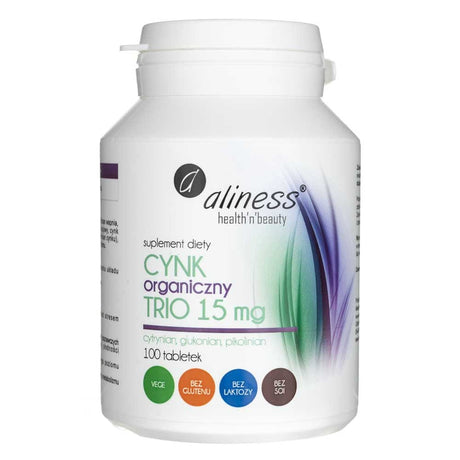


Aliness
Aliness Organisk zink Trio 15 mg - 100 tabletter
Ordinarie pris 107,19 krEnhetspris1,07 kr vardera


Mangan och mineralbalans
Mangan fungerar inte isolerat. Det interagerar med andra mineraler på komplexa sätt som påverkar den allmänna hälsan:
- Med zink – tillsammans stöder de tillväxt och utveckling
- Med järn - mangan underlättar järnupptaget
- Tillsammans med magnesium och lecitin – kombinerat för kognitivt stöd
- Farhågor om konkurrens - överskott av mangan kan störa upptaget av järn, zink, magnesium, kalcium, och koppar
Denna samverkan mellan mineraler understryker vikten av en balanserad inställning till kosttillskott. I stället för att fokusera på enskilda näringsämnen isolerat, bör du beakta ditt totala mineralintag. Bläddra igenom vårt kompletta mineralutbud för att utforska dina alternativ.
Nyckelbudskap: Mangan är ett viktigt spårämne som stödjer benhälsa, nervsystemets funktion, energimetabolismen, och reproduktiv hälsa. Medan brist kan orsaka betydande symtom, är överskott lika problematiskt. Fokusera på att få i dig mangan genom en varierad kost rik på fullkorn, nötter, baljväxter, och bladgrönsaker, och konsultera en vårdpersonal innan du tar kosttillskott för att säkerställa optimal balans.
Den här artikeln är endast i informationssyfte och ersätter inte medicinsk rådgivning. Om du har hälsoproblem, är gravid, ammar eller tar läkemedel, rådfråga läkare eller apotek. Kosttillskott ersätter inte en varierad kost.


