

Vad gör EPA nödvändig?
Det utmärkande för eikosapentaensyra är att kroppen är beroende av den men inte kan producera tillräckliga mängder själv. Detta gör en kontinuerlig extern tillförsel – via mat eller kosttillskott – verkligen avgörande. EPA fungerar också som en föregångare för syntesen av DHA (dokosahexaensyra), en annan omega-3-fettsyra som spelar lika viktiga roller för hälsan. Otillräckligt intag av omega-3-fettsyror över tid kan bidra till en rad allvarliga hälsokomplikationer.
Kort sagt, är EPA inte valfritt – det är ett grundläggande näringsämne som stöder flera kroppssystem samtidigt.
Viktiga egenskaper och hälsofördelar med EPA
Eikosapentaensyra spelar en anmärkningsvärt bred roll i kroppen. Att förstå dessa funktioner hjälper till att illustrera varför brist kan få långtgående konsekvenser:
- Antiinflammatorisk verkan — EPA är en av naturens mest effektiva antiinflammatoriska föreningar, vilket är relevant för ledhälsa, hudåkommor, och förebyggande av kroniska sjukdomar
- Stöd för hjärt- och kärlsystemet — kan bidra till att sänka blodtrycket, minska triglyceridnivåerna, och sänka LDL ("dåligt") kolesterol, samtidigt som blodets viskositet och risken för blodproppsbildning minskar
- Antioxidant- och antiallergiska effekter — hjälper till att skydda celler mot oxidativ stress och kan minska allergiska reaktioner
- Hormonbalans — bidrar till regleringen av det endokrina systemet och kan stödja en regelbunden menstruationscykel
- Hud, hår, och naglar — främjar ett hälsosamt tillstånd inifrån, genom att ta itu med de bakomliggande orsakerna till torrhet och sprödhet
- Metabolisk hälsa — kan bidra till att minska risken för typ 2-diabetes och insulinresistens
För dig som vill stödja din hjärthälsa på ett naturligt sätt, erbjuder vi kardiovaskulära kosttillskott kollektionen innehåller ett urval av omega-3-produkter tillsammans med andra hjärtstödjande näringsämnen.
Hur mycket EPA behöver du?
Alla behöver eikosapentaensyra, men den exakta mängden varierar beroende på ålder och livssituation. För friska vuxna, ligger den allmänna rekommendationen för det totala intaget av omega-3 ((EPA + DHA tillsammans)) på mellan cirka 250 mg och 500 mg per dag, även om vissa riktlinjer föreslår högre mängder för specifika hälsomål.
Under graviditeten, ökar behovet avsevärt — ofta nästan fördubblas det — för att stödja både moderns hälsa och det växande barnet. Ammande mödrar behöver också högre nivåer för att säkerställa tillräcklig överföring av omega-3-fettsyror via bröstmjölken.
Var finns EPA i mat
De rikaste naturliga källorna till eikosapentaensyra är fet havsfisk — sardiner, lax, makrill, och sill toppar listan. Fisk och skaldjur i allmänhet ger en pålitlig tillförsel av färdigbildad EPA som kroppen kan använda direkt.
Växtbaserade källor bidrar också, men mindre effektivt. Linfröolja, rapsolja, chiafrön, hampafrön, och valnötter innehåller alla alfa-linolensyra (ALA), som kroppen delvis kan omvandla till EPA. Men, denna omvandlingsgrad är relativt låg, vilket är anledningen till att många nutritionister rekommenderar direkta EPA-källor — vare sig från fisk eller från ett högkvalitativt omega-3-tillskott — för ett tillförlitligt intag.

Now Foods
Now Foods Ultra Omega-3,500 EPA / 250 DHA - 180 softgels
Ordinarie pris 450,00 krEnhetspris2,50 kr vardera


Nordic Naturals
Nordic Naturals Ultimate Omega, Citronsmak - 120 softgels
Ordinarie pris 642,00 krEnhetspris5,35 kr vardera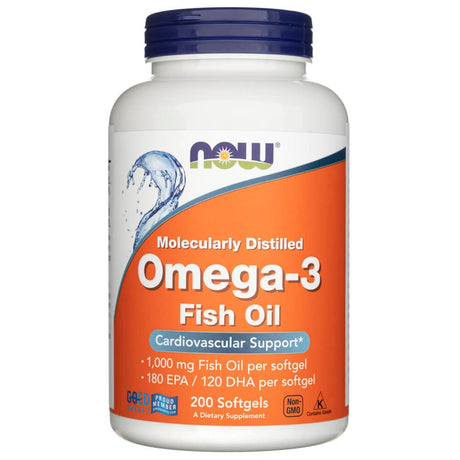


Now Foods
Now Foods Omega-3,180 EPA / 120 DHA - 200 softgels
Ordinarie pris 202,00 krEnhetspris1,01 kr vardera


Aliness
Aliness Krillolja NKO Omega 3 med astaxantin 500 mg - 60 kapslar
Ordinarie pris 192,59 krEnhetspris3,21 kr vardera


Green Pasture
Green Pasture Fermenterad torskleverolja - 180 ml
Ordinarie pris 598,00 krEnhetspris332,22 kr /100ml


EPA under graviditeten, amning, och tidig barndom
EPA är särskilt viktigt under graviditeten — främst på grund av dess roll i barnets utveckling. Omega-3-fettsyror, inklusive EPA, bidrar till en sund utveckling av hjärnan, synen, och skelettstrukturen hos det växande barnet. EPA kan också stödja kalciumupptaget och stimulera en korrekt syntes av ytaktivt ämne, en substans som är nödvändig för lungmognaden under fosterstadiet.
Forskning tyder också på att ett tillräckligt intag av EPA under graviditeten kan spela en roll i barnets immunreglering, och potentiellt minska mottagligheten TiB för bakteriella och virala infektioner. Vissa studier tyder på att omega-3-brist tidigt i livet kan kopplas till en högre förekomst av typ 2-diabetes och allergiska tillstånd hos barn.
Under graviditet och amning, är modern den enda källan till omega-3-fettsyror för barnet. Allt barnet får kommer via moderkakan eller bröstmjölken, vilket gör moderns kost och kosttillskott avgörande. Bevisen är tydliga: högre halter av EPA och DHA i bröstmjölken är förknippade med bättre kognitiv och intellektuell utveckling hos spädbarn.
Det finns en fördel för modern också. Ett tillräckligt intag av omega-3 under och efter graviditeten kan bidra till att minska risken för postnatala humörstörningar och stödja det emotionella välbefinnandet under en period som kan vara fysiskt och mentalt krävande.
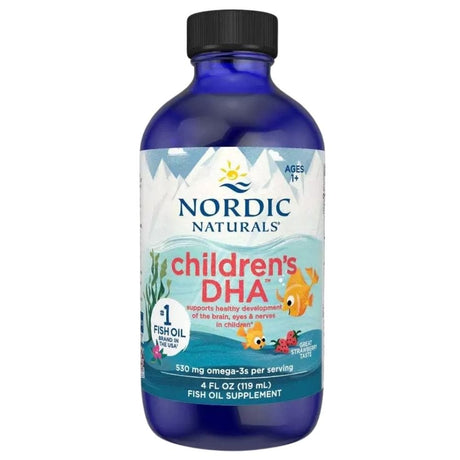


Nordic Naturals
Nordic Naturals Children's DHA, st RAW bärsmak - 119 ml
Ordinarie pris 218,00 krEnhetspris1 831,93 kr /l


Nordic Naturals
Nordic Naturals Daily Omega Kids Naturlig frukt - 30 softgels
Ordinarie pris 141,00 krEnhetspris4,70 kr vardera


När barn växer
Från omkring sex månaders ålder upp till två år, rekommenderas det generellt att tillföra EPA och andra omega-3-fettsyror genom särskilda kosttillskott — alltid efter samråd med en barnläkare. Detta är särskilt viktigt för barn med en familjehistoria av hjärt- och kärlsjukdomar, övervikt, eller fetma, där upprätthållandet av hälsosamma omega-3-nivåer kan erbjuda ett betydelsefullt förebyggande stöd.
Vår samling av fiskolja och omega-3 innehåller barnvänliga formuleringar från pålitliga varumärken som Nordic Naturals, utformade specifikt för spädbarn och småbarn.
Den viktiga balansen — inte för mycket, inte för lite
Både brist och överskott kan orsaka problem, vilket är anledningen till att det är viktigt att upprätthålla rätt balans.
Tecken och risker vid EPA-brist
- Hudförändringar — torrhet, fjällning, irritation
- Håravfall och sköra naglar
- Synstörningar
- Fertilitetsproblem
- Nedsatt hjärt-, njur-, och leverfunktion
- Förhöjt blodtryck
Risker vid överdriven intag
- Blodproppsproblem (ökad blödningsbenägenhet)
- Immunsuppression och ökad mottaglighet för infektioner TiB
- Potentiell metabolisk störning vid mycket höga doser
Slutsatsen är enkel: ett regelbundet, måttligt intag är långt mer fördelaktigt än sporadiska höga doser. Ett välvalt omega-3-tillskott som tas dagligen, i kombination med regelbunden konsumtion av fet fisk, är det mest praktiska tillvägagångssättet för de flesta människor.
För dig som vill ta hand om din hud, hår, och naglar samtidigt som du främjar hjärt- och kärlhälsan, utforska våra kosttillskott för hår, hud, och naglar — varav många kompletterar omega-3-tillskott utmärkt.
Huvudbudskap: EPA är en essentiell fettsyra som kroppen inte kan producera själv. Från stöd för hjärt- och kärlhälsa och immunförsvaret till hjärnans utveckling hos barn och emotionellt välbefinnande under graviditeten, – dess roll är omfattande. Ett högkvalitativt omega-3-tillskott som innehåller både EPA och DHA är ett av de mest effektiva tillskotten du kan lägga till din dagliga hälsorutin.
Den här artikeln är endast i informationssyfte och ersätter inte medicinsk rådgivning. Om du har hälsoproblem, är gravid, ammar eller tar läkemedel, rådfråga läkare eller apotek. Kosttillskott ersätter inte en varierad kost.


