

Begreppet ”försurning av kroppen” har blivit ett av de mest omdiskuterade ämnena inom dagens hälsokost. Den centrala tanken – att moderna kostvanor, som domineras av bearbetade livsmedel, kött, raffinerat socker, och för lite grönsaker – utsätter kroppens regleringssystem för en överdriven syrabelastning, med konsekvenser för energi, hälsa, och välbefinnande – har verkligt värde, även om den populära formuleringen ibland är oprecis. Att förstå vad kroppens försurning egentligen innebär, vad vetenskapen säger, och vilka koststrategier som verkligen hjälper är utgångspunkten för att göra detta koncept praktiskt användbart.
Vad innebär egentligen ”kroppens försurning”?
Det är viktigt att börja med att klargöra fysiologin. Kroppen håller blodets pH-värde inom ett anmärkningsvärt snävt intervall – mellan 7,35 och 7,45 – genom flera noggrant kontrollerade buffertsystem som involverar lungorna, njurarna, proteiner, och bikarbonat. Hos friska individer kan kosten i sig inte förskjuta blodets pH utanför detta intervall; om så vore fallet skulle resultatet bli en medicinsk nödsituation. Detta är inte ett misslyckande för konceptet ”alkalisk kost” – det är helt enkelt så människans fysiologi fungerar.
Vad kosten faktiskt påverkar på ett meningsfullt sätt är kroppens metaboliska syrabelastning — mängden sura restprodukter som njurarna måste bearbeta och utsöndra för att upprätthålla det stabila pH-värdet i blodet. Detta är ett vetenskapligt studerat begrepp, som mäts med ett värde som kallas PRAL ((Potential Renal Acid Load)). Livsmedel med högt PRAL — kött, fjäderfä, fisk, mejeriprodukter, ägg, raffinerade spannmål — ökar njurarnas arbetsbelastning. Livsmedel med lågt eller negativt PRAL-värde — de flesta grönsaker, frukt, baljväxter, och nötter — minskar den. När pH-testremsor för urin visar ett ”surt” värde, mäter de resultatet av denna renala utsöndringsprocess, inte blodets pH.
Med tiden, kan en kroniskt hög syrabelastning i kosten bidra till subtila men kumulativt betydande effekter på benmineraldensiteten (eftersom benen fungerar som en buffertreserv), risken för njursten, och inflammatoriska markörer — områden där forskningen om alkalisk kost är mest trovärdig. De praktiska rekommendationerna som följer är välgrundade i näringsvetenskap, oavsett den exakta mekanismen.
Vad driver en hög syrabelastning från kosten?
De livsmedel som utsätter kroppen för den högsta syrabelastningen är till stor del de som dominerar den moderna, bearbetade kosten. Att förstå deras PRAL-bidrag är mer nyanserat än ett enkelt ramverk av typen ”surt livsmedel = dåligt”:
- Hög syrabelastning — charkuteriprodukter, hårda gula ostar, stora mängder fläsk och nötkött, vitt ris, raffinerat socker och sötningsmedel, överdrivet saltintag
- Måttlig syrabelastning — ägg, fisk, fullkorn, inklusive rågbröd och fullkornspasta, brunt ris, fermenterade drycker
- Neutralt till alkaliskt — de flesta grönsaker, citrusfrukter, bär, bananer, avokado, nötter, olivolja, hirs, bovete, och baljväxter
Ingen av livsmedlen med högt PRAL-värde behöver uteslutas — många tillför viktiga näringsämnen, inklusive protein, B12, järn, zink, och omega-3-fettsyror. Frågan handlar om proportioner och balans, inte om enskilda livsmedel. Kaffe och svart te, som ofta nämns som försurande, har en relativt blygsam PRAL-påverkan; deras betydelse handlar mer om att de tränger undan drycker med högre näringsinnehåll i den dagliga kosten än om någon direkt försurningsverkan.
Koststrategier för en bättre syra-basbalans
Det mest effektiva och evidensbaserade sättet att minska syrabelastningen i kosten är en konsekvent övergång till ett övervägande växtbaserat ätmönster — inte nödvändigtvis vegetarianism, utan en kost där grönsaker, frukt, och baljväxter utgör den klara majoriteten av det dagliga intaget.
Gröna grönsaker förtjänar särskild uppmärksamhet. Spenat, grönkål, rucola, mangold, broccoli, zucchini, gurka, och avokado har alla starkt negativa PRAL-värden, vilket innebär att de aktivt minskar njurarnas belastning när det gäller utsöndring av syra. Att inkludera generösa portioner av dessa livsmedel i måltiderna — snarare än som tillfälliga garneringar — är det enskilt mest praktiska steget mot att förbättra syrebalansen i kosten.
Frukt, trots att den uppfattas som sur på grund av sin smak, är övervägande alkaliskt bildande i sin metaboliska effekt. Citrusfrukter, bär, kiwi, vattenmelon, och bananer bidrar alla till en lägre syrabelastning i kosten. Den smakmässiga surheten hos till exempel citronsaft, har inget samband med dess metaboliska PRAL-värde, som är starkt negativt.
Bland spannmål, utmärker sig hirs och bovete som de bästa valen för en syrabalanserad kost — båda har nästan neutrala till svagt alkaliska PRAL-värden, till skillnad från de flesta andra vanliga spannmål. Baljväxter — linser, kikärter, och bönor — kombinerar också högt näringsvärde med en låg eller negativ syrabelastning.
När det gäller drycker, är det en liten men konsekvent daglig förändring att ersätta en del av intaget av kaffe eller svart te med grönt te, örtteer, eller vanligt vatten med en skiva citron. Vatten med färsk citron, har, trots citrussmaken, en svagt alkalisk metabolisk effekt. Utforska våra detox- och reningskosttillskott för produkter som kompletterar en växtbaserad kost.
Livsstilsfaktorer: Stress, Motion, och sömn
Kosten är inte den enda variabeln. Kronisk psykisk stress aktiverar kroppens hormonella stressrespons, vilket påverkar njurfunktionen och elektrolytbalansen. Intensiv fysisk aktivitet ökar tillfälligt produktionen av mjölksyra i musklerna — en normal fysiologisk process som kroppen effektivt hanterar hos friska individer, men som understryker vikten av tillräcklig vila och återhämtning Ecover. Tillräcklig sömn stöder hela spektrumet av metaboliska reparationsprocesser, inklusive de renala och respiratoriska buffertsystemen som reglerar syra-basbalansen dygnet runt.
Måttlig, regelbunden träning – i motsats till överdriven högintensiv träning utan tillräcklig vila – stöder snarare än stör den övergripande metaboliska regleringen. Målet är en livsstil som inte kroniskt överbelastar kroppens buffertkapacitet, snarare än att undvika motion.
Gröna kosttillskott: Stöd för en växtrik kost
För dem som ständigt har svårt att äta Enough grönsaker och växtbaserade livsmedel, erbjuder gröna kosttillskott såsom spirulina och klorofyll ett praktiskt sätt att komplettera en växtrik näringsprofil. Spirulina — en blågrön mikroalg — är en av de näringsrikaste helfödoämnena som finns: rik på protein, B-vitaminer, järn, och fytonäringsämnen med antioxidativa och antiinflammatoriska egenskaper. Klorofylltillskott, som härrör från växter såsom mullbär eller vetegräs, är ett populärt tillskott i samband med alkalisk kost, och uppskattas för sin antioxidantverkan och som ett milt dagligt grönt tillskott.
Det är värt att notera att dessa kosttillskott kompletterar, snarare än ersätter, en alkalisk kost — PRAL-fördelen kommer från matmönstret som helhet, inte från något enskilt kosttillskott. För pH-testremsor för att övervaka urinens pH-värde hemma, Dr. Jacob's är lakmuspapper ett enkelt verktyg för att följa utvecklingen. Utforska vår samling av gröna livsmedel och superfoods för spirulina, klorofyll, och relaterade produkter, samt vår mineraler-kollektionen för kosttillskott som stöder elektrolyter och mineraler.


Now Foods
Now Foods Spirulina 500 mg - 500 tabletter
Ordinarie pris 274,39 krEnhetspris0,55 kr vardera

 10% rabatt
Aliness
Aliness Spirulina Hawaii, pulver - 180 g
Försäljningspris 201,21 kr Ordinarie pris 223,59 krEnhetspris1 117,83 kr /kg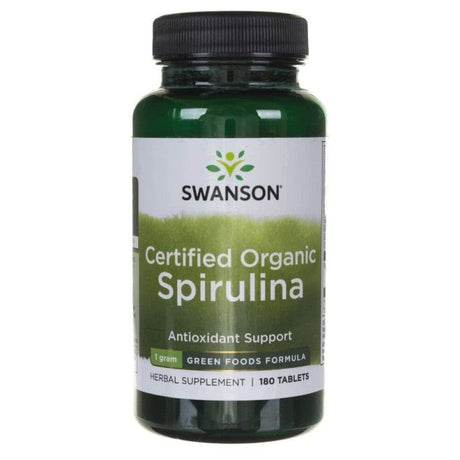
Swanson
Swanson Certifierad ekologisk spirulina 500 mg - 180 tabletter
Ordinarie pris 112,39 krEnhetspris0,62 kr vardera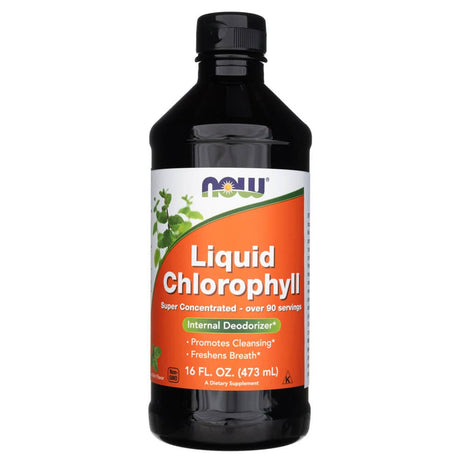


Now Foods
Now Foods Klorofyll 100 mg - 90 vegokapslar
Ordinarie pris 180,99 krEnhetspris2,01 kr vardera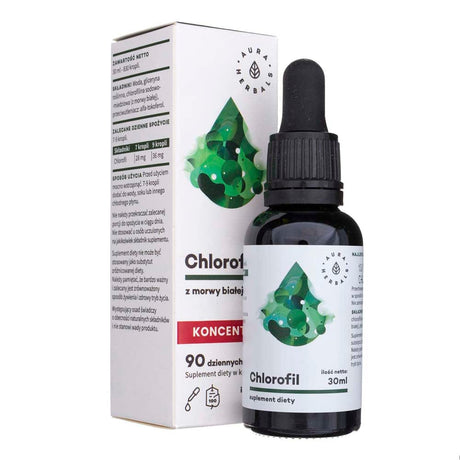


Aura Herbals
Aura Herbals Klorofyll från vita mullbär, Droppar - 30 ml
Ordinarie pris 138,29 krEnhetspris460,97 kr /100ml





Dr. Jacob's
Dr. Jacob's Lackmuspapper - 33 stycken
Ordinarie pris 54,39 krEnhetspris1,65 kr vardera
Cyanotech
Cyanotech Spirulina Pacifica - 120 tabletter
Ordinarie pris 134,39 krEnhetspris1,12 kr vardera
Formeds
Formeds Bicaps Spirulina 530 mg - 60 kapslar
Ordinarie pris 203,39 krEnhetspris3,39 kr vardera


Den här artikeln är endast i informationssyfte och ersätter inte medicinsk rådgivning. Om du har hälsoproblem, är gravid, ammar eller tar läkemedel, rådfråga läkare eller apotek. Kosttillskott ersätter inte en varierad kost.


