

Koenzym Q10 är oerhört viktigt för hela kroppens funktion. Det är ett ämne som verkar på cellnivå, och påverkar cellernas normala utveckling. Framför allt, deltar det i energiproduktionen i cellerna, skyddar dem mot de negativa effekterna av fria radikaler, och förbättrar syresättningen i cellerna. Även om ubiquinon är den vanligaste formen av CoQ10, är ubiquinol faktiskt den överlägsna och mer effektiva formen.
Vad är ubiquinol?
Koenzym Q10 finns vanligtvis på marknaden i två former: ubiquinon och ubiquinol. De flesta kosttillskott innehåller den mindre effektiva formen – ubiquinon. Denna form absorberas dåligt av kroppen, vilket innebär att inte ens betydande mängder i kosttillskott garanterar att din kropp får tillräckliga nivåer av detta koenzym.
Dessutom, måste kroppen efter intag, omvandla ubiquinon till ubiquinol – den mest biologiskt aktiva formen av CoQ10. Ubikinol är därför den reducerade (elektronrika) formen av koenzym Q10, vilket gör det betydligt lättare att absorbera. Detta ger inte bara hälsofördelar utan också ekonomiska fördelar, eftersom mindre mängder tabletter behövs för effektiv tillskottsdosering.
Ubiquinol finns vanligtvis i form av mjuka gelkapslar. Dessa är inte bara lätta att svälja, utan de löses också upp snabbt, vilket gör att det flytande CoQ10 snabbt och fullständigt kan absorberas av kroppen.
Ubikinon vs ubikinol: Att förstå skillnaden
För att förstå varför ubikinol är överlägset, är det bra att veta hur dessa två former förhåller sig till varandra:
- Ubikinon – den oxiderade formen av CoQ10, måste omvandlas av kroppen innan den kan användas
- Ubikinol – den reducerade (aktiva) formen, redo för omedelbar användning av celler
Unga, friska individer omvandlar vanligtvis ubiquinon till ubiquinol effektivt. Denna omvandlingsförmåga minskar dock med ålder, stress, sjukdom och vissa läkemedel – särskilt statiner. För dessa individer kringgår ett direkt tillskott av ubiquinol omvandlingssteget helt och hållet, vilket säkerställer att kroppen får den aktiva form den behöver.
Vad påverkar ubiquinol?
Ubiquinol verkar främst på cellnivå. Det deltar direkt i processen för proton- och elektronöverföring och fungerar som en grundläggande del av andningskedjan i mitokondrierna. Det finns i hela kroppen, och stöder metaboliska processer som står för cirka 95 % av kroppens energibehov —energi som krävs för korrekt näringsupptag, avgiftning, sårläkning, och upprätthållande av muskelstyrka.
Hjärt- och kärlhälsa
Ubiquinol har störst betydelse för hjärtat och skelettsystemet. Hjärtat, med sin konstanta pumpverksamhet, har det högsta energibehovet av alla organ – och därmed det högsta behovet av CoQ10. Brist kan leda till allvarliga komplikationer, inklusive hjärt- och kärlproblem.
Muskel- och nervsystemets funktion
Otillräckligt med CoQ10 kan avsevärt försvaga muskelfunktionen i armar och ben, minska nervsystemets effektivitet, och störa den normala gången av metaboliska processer och vävnadsregenerering. I extrema fall, kan det även påverka immunsystemets funktion.


Now Foods
Now Foods Ubiquinol 100 mg - 60 softgels
Ordinarie pris 426,99 krEnhetspris7,12 kr vardera


 15% rabatt
Solgar
Solgar Ubiquinol 100 mg - 50 softgels
Försäljningspris 517,30 kr Ordinarie pris 608,59 krEnhetspris10,35 kr vardera
Doctor's Best
Doctor's Best Ubiquinol med Kaneka Q+ 100 mg - 60 softgels
Ordinarie pris 665,69 krEnhetspris11,09 kr vardera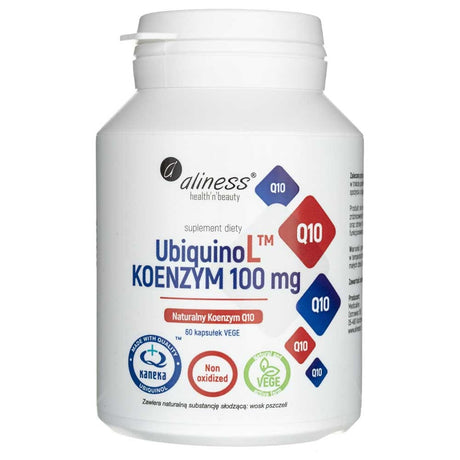


Aliness
Aliness UbiquinoL naturligt coenzym Q10 - 60 vegokapslar
Ordinarie pris 386,09 krEnhetspris6,43 kr vardera


Kenay
Kenay Ubiquinol V100 (Aktiv form av koenzym Q10) - 60 kapslar
Ordinarie pris 467,89 krEnhetspris7,80 kr vardera


Hur fungerar ubiquinol?
Generellt sett, ger ubiquinol energi till cellerna – och därmed till hela kroppen. Men, dess inverkan på människokroppen är mycket större än vad det kan verka vid första anblicken. Ubiquinol erbjuder flera fördelar:
Kraftfullt antioxidantskydd
Som en naturlig antioxidant, ger ubiquinol skydd mot oxidativ stress och de skadliga effekterna av fria radikaler. Det aktiverar även andra ämnen med liknande skyddande verkan. En obestridlig fördel är dess förmåga att minska synliga tecken på åldrande genom att skydda cellerna mot oxidativ skada.
Stöd för hjärt- och kärlsystemet
Ubiquinol förbättrar blodcirkulationen och hjärtats effektivitet, och bidrar därmed till att upprätthålla ett hälsosamt blodtryck. Hjärtmuskeln innehåller mer CoQ10 än någon annan vävnad, vilket återspeglar dess avgörande betydelse för hjärtfunktionen.
Stöd för nervsystemet
Ubiquinol stöder nervsystemets funktion, särskilt genom att motverka de negativa effekterna av kolesterolsänkande läkemedel. Statiner, är visserligen effektiva för kolesterolkontroll, men kan tömma CoQ10-nivåerna – även i hjärnan. Ubiquinol förser hjärnan och nervsystemet med den energi som behövs för korrekt funktion.
Stöd för manlig fertilitet
Ubiquinol kan förbättra fertiliteten hos män, eftersom det finns ett tydligt samband mellan CoQ10-nivåer och spermiekoncentrationen i sperman. Ubiquinol förbättrar därmed spermakvaliteten, vilket potentiellt ökar chansen till befruktning.
Idrottsprestationer
Ubiquinol stöder idrottare och fysiskt aktiva personer. Det hjälper inte bara till att uppnå bättre idrottsprestationer utan förbättrar också det allmänna humöret och minskar trötthet. Många idrottare rapporterar förbättrad uthållighet och snabbare återhämtning Ecover när de tar ubiquinol som kosttillskott.
Trötthet och muskelstöd
Ubiquinol skyddar mot trötthet, svaghet, och muskelsmärta – symtom som kan tyda på CoQ10-brist. Genom att stödja cellernas energiproduktion, hjälper det till att upprätthålla vitaliteten under hela dagen.


Now Foods
Now Foods Ubiquinol, Extra styrka 200 mg - 60 softgels
Ordinarie pris 742,89 krEnhetspris12,38 kr vardera


 10% rabatt
Life Extension
Life Extension Super Ubiquinol CoQ10 100 mg - 60 kapslar
Försäljningspris 526,40 kr Ordinarie pris 584,89 krEnhetspris8,77 kr vardera


Jarrow Formulas
Jarrow Formulas Ubiquinol QH-absorb (Ubichinol) 100 mg - 120 kapslar
Ordinarie pris 1 064,59 krEnhetspris8,87 kr vardera
Doctor's Best
Doctor's Best Ubiquinol med Kaneka 200 mg - 30 softgels
Ordinarie pris 578,99 krEnhetspris19,30 kr vardera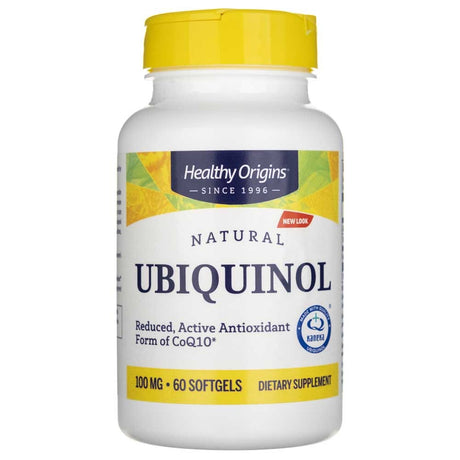


Healthy Origins
Healthy Origins Ubiquinol 100 mg - 60 softgels
Ordinarie pris 566,19 krEnhetspris9,44 kr vardera


Vem bör överväga ubiquinol?
Ubiquinol-tillskott kan vara särskilt fördelaktigt för:
- Vuxna över 40 år – när den naturliga produktionen av CoQ10 och omvandlingseffektiviteten minskar
- De som tar statiner – för att motverka CoQ10-brist orsakad av dessa läkemedel
- Personer med hjärt- och kärlproblem – för att stödja hjärthälsa och energi
- Idrottare och aktiva personer – för förbättrad prestation och återhämtning Ecover
- Alla som upplever kronisk trötthet – för att stödja cellernas energiproduktion
- Män som är oroliga för sin fertilitet – för att stödja spermiekvalitet och rörlighet
- De som söker stöd mot åldrande – för dess kraftfulla antioxidantegenskaper
Doseringsanvisningar
Vanliga doser av ubiquinol varierar mellan 50–200 mg dagligen, beroende på individuella behov och hälsomål. För allmänt välbefinnande är 100 mg dagligen vanligt. Högre doser på 200 mg eller mer kan vara lämpliga för personer med specifika hjärt- och kärlproblem eller som tar statiner – alltid under vägledning av vårdpersonal.
Eftersom ubiquinol är fettlösligt, absorberas det bäst när det tas tillsammans med en måltid som innehåller hälsosamma fetter. Den mjuka gelformen, som innehåller den aktiva ingrediensen suspenderad i olja, förbättrar absorptionen ytterligare.
Sammanfattning: Ubiquinol är den aktiva, färdiga formen av koenzym Q10 som erbjuder betydligt bättre absorption än standardubikinon – upp till 8 gånger effektivare. Från cellulär energiproduktion till hjärthälsa, antioxidantskydd till idrottsprestationer, – ubiquinol stöder kroppens mest grundläggande processer. För alla över 40 år, som tar statiner, eller söker optimala CoQ10-fördelar, är ubiquinol det överlägsna valet för kosttillskott.
Den här artikeln är endast i informationssyfte och ersätter inte medicinsk rådgivning. Om du har hälsoproblem, är gravid, ammar eller tar läkemedel, rådfråga läkare eller apotek. Kosttillskott ersätter inte en varierad kost.


