

Smalbladig groblad (Plantago lanceolata), även känd som smalbladig groblad eller engelsk groblad, är en av Europas mest förbisedda medicinalväxter. Den växer vilt på ängar, i vägkanter, och i trädgårdskanter över hela kontinenten, och har använts i traditionell örtmedicin i århundraden — särskilt för sina antiinflammatoriska egenskaper, sin roll i sårläkning, och sitt stöd för andnings- och ledhälsa. Denna artikel tittar på vad smalbladig groblad egentligen är, vad vetenskapen och traditionen säger om dess effekter, och hur man använder den.
Hur ser smalbladig groblad ut?
Smalbladig groblad är en flerårig ört som tillhör familjen Plantaginaceae. Den känns igen direkt på sina smala, lansformade blad som är ordnade i en basrosett. Bladen är vanligtvis 5–30 cm långa och 1–5 cm breda, med tre till fem framträdande parallella nerver som löper längs hela längden — det är denna detalj som ger växten namnet ”ribwort”. Bladbaserna smalnar av till långa stjälkar och har karakteristiska små spetsiga flikar som omsluter basen.
Från april till augusti, skjuter ribwort plantain upp smala, bladlösa blomstjälkar som kröns av kompakta, cylindriska blomspikar. Blommorna själva är små och ljusbruna, ibland med en grön eller lila nyans, och är vindpollinerade. Växten trivs i torrare, öppna livsmiljöer — ängar, betesmarker, fältkanter, och vägkanter — där den tål magra, sandiga jordar väl. Den förekommer i hela Europa, Asien, Nordamerika, och Australien.
Ribwort vs bredbladig groblad
Ribwort groblad förväxlas ofta med sin nära släkting bredbladig groblad (Plantago major), som har många av samma traditionella användningsområden. Den viktigaste skillnaden ligger i bladen: bredbladig groblad har breda, ovala till rundade blad med framträdande bågformade bladnerver, medan smalbladig groblad har de karakteristiska smala, lansformade bladen med parallella bladnerver. Stor groblad tenderar också att växa i fuktigare, skuggigare miljöer — trädgårdar, gräsmattor, och parker — medan smalbladig groblad föredrar torrare, mer öppen mark. Båda växterna har en lång historia av användning inom den europeiska örtmedicinska traditionen.
Aktiva föreningar och traditionella hälsoegenskaper
Smalbladig groblad innehåller en rad bioaktiva föreningar som hjälper till att förklara dess traditionella användningsområden. Dessa inkluderar iridoidglykosider (särskilt aucubin och katalpol), flavonoider, fenolsyror, slemlika ämnen (växtslem), och polysackarider.
- Antiinflammatorisk verkan — iridoider och flavonoider i groblad har i traditionell användning associerats med antiinflammatoriska effekter, både vid utvärtes användning mot hudirritationer och svullnader, och vid invärtes användning mot inflammationer i luftvägarna och matsmältningskanalen.
- Stöd för immunförsvaret — växternas polysackarider tros ha immunmodulerande egenskaper, som potentiellt stöder kroppens naturliga försvar. Forskning på detta område pågår.
- Antioxidativa egenskaper — flavonoider bidrar med antioxidantaktivitet, och hjälper till att neutralisera fria radikaler och minska oxidativ stress.
- Antimikrobiell och antiviral verkan — inom traditionell medicin har man länge använt smalbladig groblad mot infektioner, och vissa laboratoriestudier tyder på antimikrobiella egenskaper, även om kliniska bevis hos människor är begränsade.
- Stöd för matsmältningen — slemmiga ämnen har en lugnande effekt på slemhinnorna i hela matsmältningskanalen, och används traditionellt för att lindra magirritation, halsbränna, och refluxsymtom.
- Andningshälsa — kanske den mest etablerade traditionella användningen av smalbladig groblad är som slemlösande medel för de övre luftvägarna. Sirap och te gjorda på bladen har länge använts för att lindra halsont och minska hosta. Detta stöds av en rimlig mängd traditionella och farmakognostiska bevis, även om stora kliniska prövningar saknas.
Ribwort Plantain och ledhälsa
En av de mindre omtalade användningarna av ribwort plantain är dess tillämpning för att främja ledhälsa. Dess antiinflammatoriska föreningar — särskilt aucubin — har i traditionell medicin kopplats till minskad svullnad och stelhet i lederna, och växten har använts i centraleuropeisk örtmedicin vid tillstånd som reumatism och artrit. Kompresser gjorda av krossade färska blad applicerades traditionellt på smärtande leder för att ge lokal lindring.
Det är värt att vara tydlig med bevisen här: användningen av smalbladig groblad för att stödja lederna har sina rötter främst i traditionell praxis snarare än i storskalig klinisk forskning. De antiinflammatoriska mekanismerna hos dess aktiva föreningar är biologiskt rimliga, men groblad bör ses som ett komplement, inte som en ersättning för etablerade strategier för ledhälsa. För dem som söker kosttillskott med en starkare evidensbas för stöd av leder och brosk, erbjuder vi kosttillskott för ben, leder och brosk inkluderar välundersökta alternativ såsom glukosamin, MSM, boswellia, och kollagen.
När och hur man skördar smalbladig groblad
Smalbladig groblad börjar växa tidigt på våren, och bladutvecklingen är som mest intensiv från våren till försommaren. Den bästa tiden att skörda bladen är strax före eller i början av blomningen, när bladen är som saftigast och rikast på aktiva ämnen. Skörda på morgonen efter att daggen har torkat. Plocka enskilda blad istället för att dra upp hela växten, och välj växter som växer långt bort från vägar, åkrar, och områden som kan ha behandlats med ogräsmedel eller andra kemikalier.
Bladen kan användas färska, torkade till te, eller bearbetas till sirap och tinkturer. Torkade blad behåller sina egenskaper väl och kan förvaras i lufttäta behållare skyddade från ljus och fukt i upp till ett år.
Småbladet groblad i produkter
Förutom färskt eller torkat växtmaterial, finns småbladet groblad i en rad kommersiellt tillgängliga produkter — örtteer, halssirap, hostpastiller, samt krämer och salvor för utvärtes bruk. Det är en vanlig ingrediens i örtblandningar för andningsvägarna som säljs över hela Europa. Kosttillskott i kapselform som innehåller grobladsextrakt finns också att köpa hos specialiserade örtbutiker och återförsäljare av naturläkemedel.
Hos Medpak, har vi för närvarande inte groblad som ett fristående kosttillskott i lager, men vår örtkollektionen täcker ett brett utbud av växtbaserade kosttillskott med traditionell användning inom europeisk örtmedicin. För dem som är särskilt intresserade av att stödja lederna och minska vardaglig inflammation, behandlar kosttillskotten nedan samma hälsoproblem genom välundersökta botaniska och näringsmässiga ingredienser.


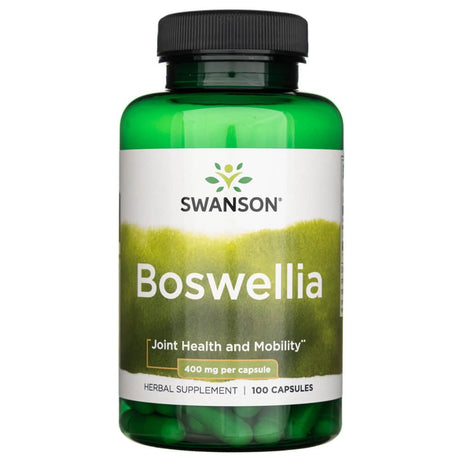


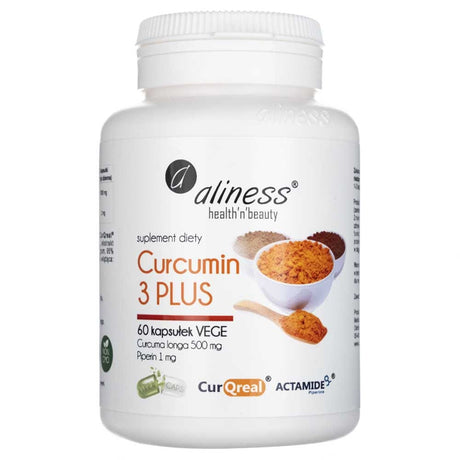


Doctor's Best
Doctor's Best MSM med OptiMSM 1500 mg - 120 tabletter
Ordinarie pris 182,49 krEnhetspris1,52 kr vardera


Now Foods
Now Foods Glukosamin '1000' - 60 vegokapslar
Ordinarie pris 134,49 krEnhetspris2,24 kr vardera


Swanson
Swanson Glukosamin, Kondroitin & MSM - 120 tabletter
Ordinarie pris 164,89 krEnhetspris1,37 kr vardera


Aliness
Aliness Kollagen Arthro Sprint - 60 kapslar
Ordinarie pris 134,49 krEnhetspris2,24 kr vardera


Now Foods
Now Foods MSM 1000 mg - 240 vegokapslar
Ordinarie pris 280,69 krEnhetspris1,17 kr vardera


Den här artikeln är endast i informationssyfte och ersätter inte medicinsk rådgivning. Om du har hälsoproblem, är gravid, ammar eller tar läkemedel, rådfråga läkare eller apotek. Kosttillskott ersätter inte en varierad kost.


