

Kosttrender kommer och går med anmärkningsvärd hastighet – men några få består, och den ketogena dieten är en av de mest bestående. Dess långa livslängd är inte en fråga om mode: den stöds av årtionden av forskning, en väldefinierad fysiologisk mekanism, och en dokumenterad historia av resultat för människor med specifika hälsomål. Oavsett om du utforskar den för viktminskning, metabolisk hälsa, eller neurologiskt stöd, här är vad du faktiskt behöver veta – utan all hype.
En kort historik: Från epilepsibehandling till livsstilsval
Den ketogena dieten har funnits sedan 1921, då den utvecklades som en terapeutisk metod för epilepsi – med betydande framgång. Dess användning inom neurologin minskade efter 1938 i och med introduktionen av fenytoin, ett bekvämt läkemedel mot anfall. Men dieten försvann aldrig helt från den kliniska praxisen, och under de senaste decennierna har den återuppstått både som ett medicinskt verktyg och som en populär näringsstrategi för viktkontroll och metabolisk hälsa.
Intressant nog var den ursprungliga ”ketogena dieten” en form av terapeutisk fasta. De allvarliga näringsbristerna som den orsakade tvingade fram modifieringar, vilket så småningom ledde till den högfeta, kolhydratfattiga metod som vi känner till idag – som efterliknar det metaboliska tillståndet vid långvarig kalorirestriktion utan faktisk svält.
Hur den ketogena dieten fungerar
Kroppens standardbränsle är glukos, som härrör från kolhydrater i kosten. När kolhydratintaget minskas dramatiskt – vanligtvis till under 5 % av det totala kaloriintaget – saknar kroppen sin föredragna energikälla och vänder sig istället till lagrat fett som alternativ. Denna metaboliska omställning kallas ketos.
Under ketos, bryter levern ner fettsyror för att producera ketonkroppar — acetoacetat, beta-hydroxibutyrat, och aceton. Dessa föreningar fungerar som ett effektivt alternativt bränsle för hjärnan och andra organ, och produceras endast i tillräckliga mängder (minst 4 mmol/l) när kolhydratintaget förblir verkligt lågt. Därför är det inte valfritt att följa makronäringsförhållandena: en partiell begränsning utlöser inte ketos och ger varken de metaboliska effekterna eller de aptitdämpande effekterna som den fullständiga dieten ger.
Hur lång tid tar det att komma in i ketos?
Metabolisk anpassning tar tid och varierar mellan individer. Experter uppskattar generellt att det tar minst 30 dagar för kroppen att helt anpassa sig till fett som primärt bränsle, även om processen i vissa fall kan ta upp till sex veckor. Övergångsperioden — ibland kallad ”keto-influensa” — kan innebära tillfällig trötthet, huvudvärk, och irritabilitet medan kroppen anpassar sig. Dessa symtom försvinner vanligtvis inom en vecka eller två.
En viktig praktisk anmärkning: under de tidiga stadierna av dieten, utsöndrar kroppen en betydande mängd vatten (glykogen, som töms först, och som innehåller ungefär 3–4 g vatten per gram). Detta förklarar den snabba initiala viktminskningen — och innebär också att tillräcklig vätsketillförsel är avgörande under hela processen. Minst 8 glas vatten per dag rekommenderas.
Makronäringsämnesförhållanden: Grundprincipen
Den ketogena dieten kännetecknas av en makronäringsfördelning som vid första anblicken verkar kontraintuitiv: cirka 70–90 % fett, 8 % protein, och 2 % kolhydrater. Som jämförelse hämtar en typisk västerländsk kost cirka 50 % av sina kalorier från kolhydrater, 36 % från fett, och 14 % från protein. Kontrasten är slående – vilket är precis varför många människor har svårt att acceptera konceptet innan de ser bevisen.
En anmärkningsvärd fördel med denna sammansättning är den nästan totala frånvaron av hunger. Forskning pekar konsekvent ut otillräcklig mättnadskänsla som den främsta orsaken till att man avbryter en diet i förtid. Fett är mycket mättande, och ketonkroppar har i sig aptitdämpande egenskaper. Med det sagt, är kosten verkligen restriktiv i ett viktigt avseende: att eliminera alla bearbetade och sötade livsmedel, stärkelserika grönsaker, spannmål, och de flesta frukter kräver planering och konsekvens.
Vad man ska äta på en ketogen diet
Keto-kompatibla livsmedel inkluderar: alla typer av kött och högkvalitativa charkuterier; fisk och skaldjur; ägg; mjölkprodukter med full fetthalt (ost, smör, grädde); hälsosamma oljor (solrosolja, rapsolja, hampolja, linfröolja, svartkumminolja, olivolja); nötter (valnötter, cashewnötter, pistaschnötter, mandlar); och frön (pumpafrön och solrosfrön). Grönsaker med lågt kolhydratinnehåll rekommenderas också: tomater, gurkor, rädisor, paprika, broccoli, blomkål, och avokado passar alla in i ramen.
Livsmedel att undvika: potatis och stärkelserika grönsaker; alla spannmålsprodukter (bröd, ris, flingor, pasta); honung och sylt; sötade drycker; alkohol; godis; och frukter med hög sockerhalt (mandariner, apelsiner, ananas, druvor, äpplen, persikor).
Praktiska måltidsidéer
En välplanerad ketodag behöver inte vara enformig. Äggröra med bacon och tomater, tonfisksallad, eller hårdkokta ägg med majonnäs fungerar bra till frukost. Förmiddagsmellanmål kan vara naturell yoghurt med frön, avokado- och valnötsallad, eller korv av hög kvalitet. Lunch kan vara ugnsstekt kycklingbröst med broccoli och en grönsallad med kallpressad linfröolja, eller ångad lax med avokadosallad. Mellanmål: paprika och gurka med yoghurtdipp, grekisk sallad med fetaost. Middag: kycklingsallad med balsamico, sill i gräddsås, eller tonfisk med soltorkade tomater och avokado.
Hälsoeffekter och fördelar
Utöver viktkontroll, har den ketogena dieten väl dokumenterade tillämpningar i specifika kliniska sammanhang. Den är fortfarande en erkänd terapeutisk metod för läkemedelsresistent epilepsi, särskilt hos barn, och studeras för sin potential vid behandling av typ 2-diabetes — där den direkt påverkar insulinresistens och blodsockernivåer. Forskning pekar också på fördelar för hjärt- och kärlhälsa samt njurfunktion när kosten genomförs på rätt sätt.
Mer spekulativt, men med allt starkare stöd från forskning, undersöks den ketogena dieten för neurologiska och neurodegenerativa tillstånd, inklusive Alzheimers sjukdom, Parkinsons sjukdom, ALS, och multipel skleros. De exakta mekanismerna som skyddar nervcellerna under ketos studeras fortfarande, men de preliminära bevisen är tillräckligt starka Enough för att göra detta till ett aktivt område inom klinisk forskning.
Kosttillskott till en ketogen diet
Eftersom ketodieten utesluter många livsmedel som är konventionella källor till mikronäringsämnen, är det viktigt att noga uppmärksamma näringsmässig fullständighet. Elektrolytbalansen är särskilt viktig — natrium, kalium, och magnesium går alla förlorade snabbare under den inledande anpassningsfasen. MCT-olja (medellångkedjig triglyceridolja) används ofta som en direkt ketonprekursor, vilket underlättar en snabbare övergång till ketos och ger en lättillgänglig energikälla. Kallpressade oljor samt ketospecifika protein- och kollagenprodukter hjälper till att upprätthålla ett tillräckligt intag av essentiella fettsyror och aminosyror inom dietens ramar. För ett komplett utbud av jämförbara produkter, besök vår https://medpak.shop/collections/healthy-food-nutrition under kategorierna Hälsosam mat & Nutrition och Weight Loss.

BeKeto
BeKeto MCT-olja ren C8, ren kaprylsyra triglyceridolja - 1000 ml
Ordinarie pris 434,79 krEnhetspris434,79 kr /l


BeKeto
BeKeto Ketolytes Electrolyte Replenisher - 90 kapslar
Ordinarie pris 201,29 krEnhetspris2,24 kr vardera

Bilovit
Bilovit Golden Linfröolja Kallpressad - 500 ml
Ordinarie pris 67,09 krEnhetspris134,18 kr /l
 10% rabatt
BeKeto
BeKeto Keto Burn Fat Burner - 90 kapslar
Försäljningspris 252,41 kr Ordinarie pris 280,99 krEnhetspris2,80 kr vardera


För praktiska ketovänliga livsmedel – från snacks och proteinpulver till bröd och söta alternativ som passar makronäringsprofilen – erbjuder BeKeto ett av de mest kompletta specialiserade sortimenten som finns. Hitta hela sortimentet i vår Hälsosamma snacks-kategori.
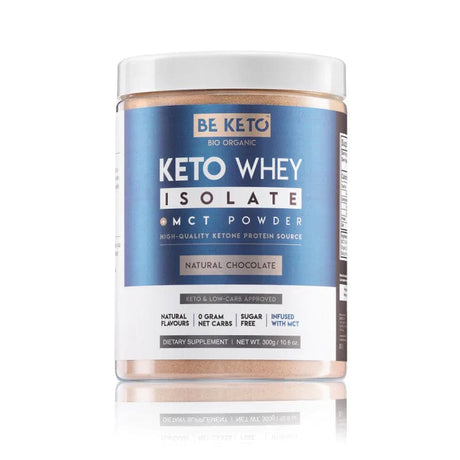 5% rabatt
BeKeto
BeKeto Keto vassleisolat MCT-pulver, Naturlig choklad - 300 g
Försäljningspris 313,20 kr Ordinarie pris 329,89 krEnhetspris1 044,00 kr /kg


BeKeto
BeKeto Keto Collagen med MCT-olja, Fresh St RAW bär - 300 g
Ordinarie pris 322,69 krEnhetspris1 075,63 kr /kg


 11% rabatt
BeKeto
BeKeto Keto gummibjörnar - 60 gummibjörnar
Försäljningspris 192,95 kr Ordinarie pris 215,59 krEnhetspris3,22 kr vardera


Den här artikeln är endast i informationssyfte och ersätter inte medicinsk rådgivning. Om du har hälsoproblem, är gravid, ammar eller tar läkemedel, rådfråga läkare eller apotek. Kosttillskott ersätter inte en varierad kost.


