

Nybakade mammor står alltid inför en rad nya utmaningar. Det kan kännas som att ingenting kan vara svårare än själva förlossningen, men de första veckorna med en nyfödd kan vara oerhört krävande. Att möta en helt ny uppsättning situationer – från matningsscheman till sömnbrist – är i sig stressande. Ett av de många praktiska besluten som följer med amning är att välja rätt amningsinlägg. Det låter enkelt, men att göra rätt val gör en verklig skillnad för den dagliga komforten under en period som redan är utmanande Enough.
Vad är amningsinlägg – och varför behöver du dem?
Amningsinlägg är absorberande inlägg som placeras inuti behån för att skydda bröstvårtområdet från mjölkläckage. De fungerar ungefär som bindor – de absorberar fukt och håller kläderna torra och rena. De är diskreta, lätta att använda, och löser ett problem som praktiskt taget alla ammande mammor stöter på.
Läckande bröstmjölk är en av de vanligaste – och mest besvärliga – upplevelserna under de första månaderna som mamma. Det är helt oförutsägbart: det kan hända hemma, på jobbet, i en butik, eller på ett möte. Medan det bara är irriterande att byta kläder hemma, är det verkligen obehagligt och stressande att bli påkommen i offentligheten med synliga våta fläckar.
Detta läckage är helt ofrivilligt och helt normalt. Det beror på hormonella svängningar som ännu inte har stabiliserats efter förlossningen. Ibland räcker det med att bara tänka på barnet för att utlösa mjölkproduktion och läckage. Under de första veckorna, när de flesta mammor bär mjuka, strukturerade amnings-BH:ar för att underlätta amningen, kan mjölken tränga igenom både BH:n och ytterkläderna. Även vanliga, mer strukturerade behåar är inte immuna mot kraftigare läckage.
Amningsinlägg eliminerar denna oro helt, och ger mammor en sak mindre att tänka på under en redan krävande period.
Hur man väljer rätt amningsinlägg
Alla amningsinlägg är inte lika. Precis som med alla hygienprodukter, beror det rätta valet på individuella behov. Här är de tre viktigaste faktorerna att tänka på:
1. Absorptionsförmåga
Detta är det absolut viktigaste kriteriet. Hela syftet med amningsinlägg är att absorbera mjölk effektivt — om de läcker, är de värre än värdelösa. Kontrollera sammansättningen på förpackningen: det primära absorberande materialet i de flesta engångsinlägg är cellulosa. Ju högre cellulosainnehåll, desto bättre absorption.
Det finns en avvägning att tänka på: inlägg med högre absorptionsförmåga tenderar att vara något tjockare, vilket kan påverka hur diskreta de är under kläderna. Att hitta den balans mellan absorptionsförmåga och tunnhet som fungerar för dig kan kräva att du provar ett par olika alternativ.
2. Material
Materialet förtjänar noggrann uppmärksamhet eftersom det avgör hur bekväma bindorna känns mot mycket känslig hud. Bröstvårtorna är ofta ömma, irriterade, eller till och med spruckna under amning – det sista de behöver är kontakt med syntetiska material som stänger inne värme och fukt.
Välj alltid inlägg tillverkade av naturliga, andningsbara material – bomull, bambufiber, eller cellulosabaserade tyger. Syntetiska material hindrar luftcirkulationen och skapar en varm och fuktig miljö som kan leda till hudirritation, skavsår och till och med svampinfektioner. Det inre lagret (det som är i kontakt med huden) är det viktigaste — det måste vara mjukt, naturligt, och icke-irriterande.
3. Storlek och form
Amningsinlägg finns i olika storlekar och former, och rätt passform är viktig för både komfort och effektivitet. Helst, bör inlägget matcha storleken på ditt bröst och bröstvårtområdet utan att det skrynklas, viks, eller glider runt i behån. De flesta förpackningar innehåller exakta mått – att jämföra dessa med dina egna mått innan du köper hjälper dig att undvika frustrationen med inlägg som är för små (, ger otillräcklig täckning) eller är för stora (, syns under kläderna eller är obekväma).
Konturerade eller formade inlägg tenderar att sitta mer naturligt än platta, runda, särskilt under åtsittande kläder.
Engångs- vs. återanvändbara amningsinlägg
Amningsinlägg finns i två huvudtyper, var och en med sina egna fördelar och begränsningar:
Engångs-amningsinlägg
Den största nackdelen är kostnaden – att köpa dem regelbundet blir dyrt under veckorna och månaderna av amning. Men, engångsinlägg erbjuder flera övertygande fördelar:
- Mer hygieniska – ett nytt, sterilt inlägg varje gång, utan risk för bakterieuppbyggnadpå grund av ofullständig tvätt
- Tunnare och mer diskreta – moderna engångsinlägg är anmärkningsvärt tunna, vilket gör dem praktiskt taget osynliga under kläderna
- Ingen tvätt krävs — använd och släng dem helt enkelt, vilket är en stor bekvämlighet för sömnbristade nyblivna mammor
- Jämn absorptionsförmåga — prestandan försämras inte vid upprepad användning
Återanvändbara amningsinlägg
Den främsta fördelen är lägre kostnader på lång sikt och minskad miljöpåverkan. Men, är det värt att överväga de praktiska avvägningarna:
- Tjockare — syns i allmänhet mer under kläderna än engångsalternativen
- Lägre absorptionsförmåga — de tenderar att läcka lättare, särskilt när materialet åldras
- Kräver noggrann tvätt efter varje användning — vilket bidrar till en redan överväldigande tvättmängd
- Flera par behövs — eftersom de måste tvättas och torkas mellan användningarna, behöver du flera set, vilket ökar den initiala kostnaden
Många mammor tycker att en kombinerad strategi fungerar bäst: återanvändbara inlägg hemma (där enstaka läckor är mindre problematiska) och engångsinlägg när man är ute (där diskretion och tillförlitlighet är viktigast).
Hur ofta ska amningsinlägg bytas?
Detta är en hygienfråga med ett tydligt svar: ofta. Den optimala användningstiden för ett enda par är två till tre timmar. Utöver detta, skapar fukt och värme en miljö där bakterier kan föröka sig snabbt, vilket potentiellt kan leda till hudinfektioner, svampinfektion, eller bröstvårtinflammation.
I praktiken, innebär detta att byta inlägg:
- Efter varje amning — inlägget är vanligtvis genomblött
- Var 2–3 timmar även utan amning — läckage sker även mellan amningarna
- Omedelbart om du känner fukt — vänta inte på det schemalagda bytet
- Innan du går och lägger dig — sätt på en ny inläggsdyna för natten
Tvätta alltid händerna innan du byter inläggsdyna, och låt bröstvårtområdet lufttorka en stund innan du sätter på en ny. Denna enkla vana minskar risken för infektion avsevärt.
Stödja din kropp under amning
Amning ställer stora näringsmässiga krav på mammans kropp. Mjölkproduktionen tär på kroppens lager av viktiga näringsämnen, och om dessa inte fylls på, kan både mammans hälsa och mjölkkvaliteten påverkas. Riktade kosttillskott hjälper till att fylla luckan under denna krävande period:
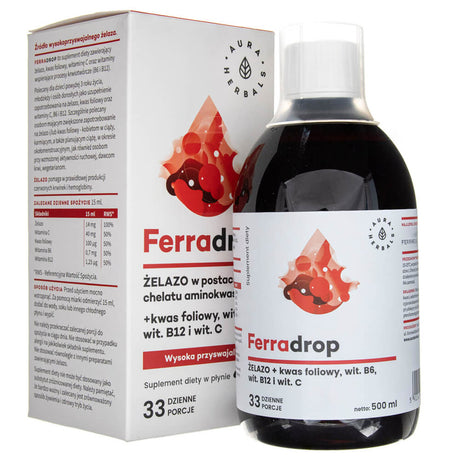
Järn + folsyra — många kvinnor går in i den postnatala perioden med uttömda järndepåer efter graviditet och förlossning. Järn är viktigt för energinivåerna och r Ecover y, medan folsyra stöder cellproduktionen och det allmänna välbefinnandet. En flytande kombination kan vara särskilt praktisk för upptagna nyblivna mammor.
Vitamin D3 — viktigt för både mamma och barn. Ammade spädbarn är helt beroende av sin mammas vitamin D-status, och många europeiska kvinnor har otillräckliga nivåer, särskilt under höst- och vintermånaderna.
Kalcium + Magnesium — amning ökar kalciumbehovet avsevärt. Om intaget via kosten är otillräckligt, hämtar kroppen kalcium från mammans ben. Att komplettera med kalcium tillsammans med magnesium stödjer bentätheten och muskelfunktionen under denna period.
Folat (Metylfolat) — den aktiva formen av folsyra fortsätter att vara viktig efter förlossningen, och stödjer vävnadsreparation och bildandet av röda blodkroppar.


Aura Herbals
Aura Herbals Ferradrop - flytande järn + folsyra - 500 ml
Ordinarie pris 87,29 krEnhetspris174,58 kr /l


Now Foods
Now Foods Vitamin D3 2000 IE - 120 mjuka geler
Ordinarie pris 66,09 krEnhetspris0,55 kr vardera


Now Foods
Now Foods Kalcium & Magnesium - 100 tabletter
Ordinarie pris 151,09 krEnhetspris1,51 kr vardera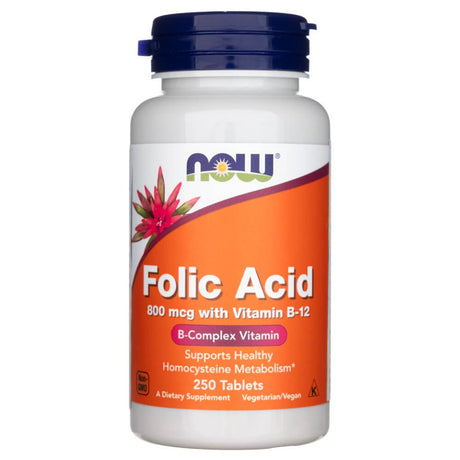


Now Foods
Now Foods Folsyra 800 mcg med vitamin B-12 - 250 tabletter
Ordinarie pris 73,19 krEnhetspris0,29 kr vardera
Solgar
Solgar Gentle Iron 20 mg - 90 vegetabiliska kapslar
Ordinarie pris 210,19 krEnhetspris2,34 kr vardera


För ett bredare utbud av kosttillskott som passar denna livsfas, utforska vår mother collection hos Medpak. Du kanske också finner våra amnings- och matningshjälpmedel användbara när du kommer in i din amningsrutin. Och för allmänt hälsostöd under denna krävande period, bläddra bland vårt vitaminer och kosttillskott.
Komfort är viktigt – särskilt nu
Att välja rätt amningsinlägg är ett litet beslut i det stora hela när man blir nybliven mamma – men det är ett beslut som påverkar din komfort flera gånger om dagen. Prioritera absorptionsförmåga och naturmaterial, byt inlägg ofta, och tveka inte att prova olika märken och typer tills du hittar det som fungerar bäst för din kropp. I kombination med rätt näringsstöd, bidrar dessa praktiska val till att göra amningsresan bekvämare och mer hållbar.
Nyckelbudskap: Välj amningsinlägg utifrån absorptionsförmåga, naturliga material, och rätt passform. Engångsinlägg erbjuder hygien och diskretion; återanvändbara inlägg erbjuder besparingar och hållbarhet. Byt var 2–3 timmar eller efter varje amning. Stöd din kropps ökade näringsbehov under amningen med järn, vitamin D3, kalcium, och folat.
Den här artikeln är endast i informationssyfte och ersätter inte medicinsk rådgivning. Om du har hälsoproblem, är gravid, ammar eller tar läkemedel, rådfråga läkare eller apotek. Kosttillskott ersätter inte en varierad kost.


