

Energigeler har blivit ett självklart inslag inom uthållighetsidrott – och det finns goda skäl till det. Vid långvarig träning som varar längre än 60–90 minuter, börjar kroppens glykogenlager att tömmas, och det blir allt svårare att hålla tempot eller prestandan uppe utan tillförsel av kolhydrater utifrån. Energigeler löser detta problem effektivt: de tillför snabbt upptagbara kolhydrater i ett kompakt, och bärbart format som kan intas utan att man behöver sakta ner. Men alla geler är inte likadana, och att välja rätt gel för din sport, träningspassets längd, och din fysiologi gör en betydande skillnad.
Vad är en energigel och hur fungerar den?
En energigel är ett koncentrerat kolhydrattillskott i en viskös, halvflytande form, förpackad i en liten portionspåse. Formuleringen är utformad för att absorberas snabbt genom matsmältningskanalen med minimal belastning på magen — ett viktigt krav när kroppen är under träningsbelastning och blodflödet leds bort från tarmen. De flesta geler levererar mellan 20–30 g kolhydrater per portion, vanligtvis från en blandning av olika sockertyper för att dra nytta av separata transportvägar i tarmen och maximera absorptionshastigheten.
De huvudsakliga ingredienserna som återfinns i de flesta energigeler inkluderar:
- Kolhydrater – kärnan i varje gel. Kombinationer av glukos (eller maltodextrin) och fruktos är numera standard i högpresterande formuleringar, eftersom de använder olika absorptionsmekanismer och möjliggör ett högre totalt kolhydratintag per timme jämfört med geler med en enda källa.
- Elektrolyter — särskilt natrium hjälper till att upprätthålla vätskebalansen och stöder nerv- och muskelfunktionen. Kalium och magnesium ingår i vissa formler, särskilt de som är utformade för längre ansträngningar eller användning i varmt väder.
- Koffein — ingår i en del geler för att stödja vakenhet, minska den upplevda ansträngningen, och ge en sekundär prestationsökning. Doseras vanligtvis mellan 25–75 mg per portion.
- B-vitaminer — finns i vissa geler för att stödja energimetabolismen, tillsammans med C-vitamin i formuleringar som också syftar till att ge antioxidantstöd under träning.
Typer av energigeler — Hur man väljer
Standardisotoniska geler
Isotoniska geler är formulerade för att matcha osmolariteten i kroppsvätskor, vilket innebär att de kan intas utan extra vatten — en betydande praktisk fördel för löpare och cyklister som vill minimera logistisk komplexitet. Kolhydratkoncentrationen är lägre per gram gel, men absorptionen är mycket effektiv. SIS GO Isotoniska geler är det mest kända exemplet i denna kategori: de är specifikt utformade så att inget vatten behövs tillsammans med gelen, de hör till de mest magvänliga alternativen som finns och passar bra för löpare som upplever att koncentrerade geler orsakar obehag.
Prestandageler med hög kolhydrathalt
För idrottare som tränar med hög intensitet eller som strävar efter maximal kolhydratintag per timme (90 g/tim är den vanligtvis angivna övre gränsen som kan uppnås med glukos:fruktosblandningar), mer koncentrerade geler med kolhydratformuleringar från två källor är det rätta valet. SIS Beta Fuel + Nootropics-gel använder ett förhållande mellan maltodextrin och fruktos på 1:0,8 specifikt för att optimera oxidationshastigheten, och innehåller även nootropiska ingredienser för kognitivt stöd under långa ansträngningar. Dessa geler bör alltid intas med vatten.
Koffeinhaltiga geler
Koffeinhaltiga geler används bäst strategiskt – inte under hela ett evenemang, utan vid specifika tillfällen där en ökning av vakenhet eller motivation behövs: den sista tredjedelen av ett långt lopp, en krävande klättring i ett cykellopp, eller när tröttheten börjar sätta in. Nutrend Carbosnack Gel med koffein erbjuder ett alternativ med colasmak och tillsatt koffein, som är lämpligt att använda mitt under ansträngningen. Om du är känslig för koffein eller tränar på kvällen, är koffeinfria alternativ det bättre valet.
Tuggbara och geléformade varianter
Vissa idrottare tycker att geler med flytande konsistens är svårare att ta när man andas tungt. PowerBar PowerGel Shots – tuggbara gelébitar istället för en gel i tub – erbjuder samma snabba kolhydrattillförsel i ett format som vissa tycker är lättare att hantera. De är också lättare att dosera under en längre träningspass.

SIS (Science In Sport)
SIS GO Isotonic Energy, Apple - 60 ml
Ordinarie pris 17,49 krEnhetspris58,30 kr /100ml
SIS (Science In Sport)
SIS Beta-Fuel + Nootropics Energy Gel, Apple - 60 ml
Ordinarie pris 32,69 krEnhetspris1 089,67 kr /l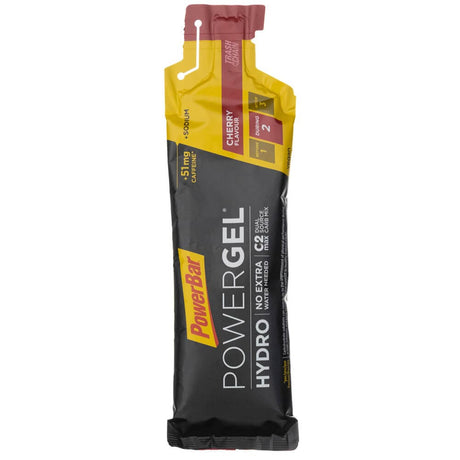


Nutrend
Nutrend Carbosnack Gel med koffein, Cola - 50 g
Ordinarie pris 15,09 krEnhetspris30,18 kr /100g


Riktlinjer för tidpunkt och dosering
För pass under 60 minuter med måttlig intensitet är, energigeler i allmänhet onödiga – kroppens glykogenlager före träningen är tillräckliga. För träning som varar 60–90 minuter med högre intensitet, kan en enda gel som intas efter cirka 45 minuter hjälpa till att upprätthålla prestationen. För pass som varar längre än 90 minuter – långa r UNS, cykeltävlingar, triathlontävlingar – är en vanlig strategi att ta en gel var 30–45 minuter från ungefär 30–45 minuter in i träningen, alltid tillsammans med standardkoncentrerade geler och cirka 150–200 ml vatten.
Före loppet, är det vanligt att ta en gel 10–20 minuter före start för att fylla på glykogen och säkerställa att kolhydrater finns tillgängliga direkt vid startskottet, särskilt om måltiden före loppet intogs mer än 2–3 timmar tidigare. Den individuella responsen varierar, så testa detta först under träning.
Geler är ett kraftfullt verktyg, men de fungerar bäst som en del av en strukturerad näringsplan för loppet snarare än att konsumeras reaktivt när tröttheten slår till. När du känner att du börjar tappa orken, har blodsockret redan sjunkit – att ligga steget före energibehovet är nyckeln.
Utöver geler – kompletterande sportnäring
Geler tillgodoser kolhydratbehovet under träningen, men uthållighetsprestationen bygger på en bredare näringsgrund. Isotoniska drycker hanterar vätskeintag och påfyllning av elektrolyter samtidigt, vilket gör dem till den naturliga partnern till gelbaserad energitillförsel – särskilt vid längre tävlingar eller i varma förhållanden. Rödbetsshots, såsom de från Beet It Sport, används timmarna före träning: de kostnitrater de innehåller omvandlas till kväveoxid i kroppen, vilket stödjer blodflödet och syreutnyttjandet under submaximala ansträngningar. Surkörsbär (Active Edge CherryActive) används allt oftare efter träning på grund av sitt innehåll av antocyaniner, som kan stödja återhämtning Ecover från träningsinducerad muskelskada.
Utforska vårt fullständiga sortiment av energigeler och isotoniska drycker för ett komplett utbud av energitillskott under träningen. För en bredare planering av sportnäring, besök vår sportnäringskollektion.

Trec Nutrition
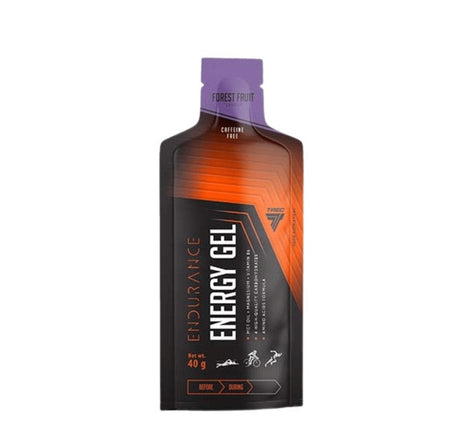
Trec Endurance Energy Gel, Skogsfrukter - 40 g
Ordinarie pris 23,29 krEnhetspris582,25 kr /kg
BioTech USA
BioTech USA Energy Gel Pro, Orange - 40 g
Ordinarie pris 25,69 krEnhetspris642,25 kr /kg


Den här artikeln är endast i informationssyfte och ersätter inte medicinsk rådgivning. Om du har hälsoproblem, är gravid, ammar eller tar läkemedel, rådfråga läkare eller apotek. Kosttillskott ersätter inte en varierad kost.


