

Föräldrar som ger sina barn ersättning via nappflaska står inför en rad viktiga beslut redan från början. Att välja rätt ersättning är en sak, men att välja rätt nappflaska för en nyfödd är lika viktigt – och ofta mer förvirrande än man tror. Även om man begränsar sökningen till de mest populära märkena, är utbudet av tillgängliga flaskor Toda enormt. Storlekar, material, napp-typer, system mot kolik – var ska man ens börja? Den här guiden täcker allt du behöver veta för att kunna göra ett säkert val.
Anpassa flaskstorlek och napp efter ditt barns ålder
En nappflaska är inte en produkt som passar alla – den växer med ditt barn. När ditt barn utvecklas, måste du byta till större flaskor och nipplar som är utformade för nästa utvecklingsfas. De flesta tillverkare använder åldersmärkningar som 0+, 3+, 6+, och 12+ för att ange vilken flaska som passar vilken utvecklingsfas. Dessa märkningar kan dock variera mellan olika märken, så kontrollera alltid de specifika riktlinjerna från den tillverkare du väljer.
Flaskans kapacitet är viktig främst eftersom den avgör hur mycket vätska den rymmer, men det är inte kapaciteten som ska styra portionsstorlekarna – det ska alltid följa din barnläkares råd och anvisningarna på vällingförpackningen. I praktiken, kan du hälla en mindre portion i en större flaska utan problem.
Där storleken gör den största skillnaden är napp. En napp i rätt storlek säkerställer matningskomfort och efterliknar naturlig amning så nära som möjligt. En napp som är för stor för en nyfödd kan leda till att barnet sväljer för mycket luft tillsammans med mjölken, vilket under de första månaderna i livet kan leda till magbesvär, uppblåsthet, och kolik. Att välja rätt napp från början är ett av de enklaste sätten att undvika dessa vanliga problem.
Anti-kolikflaskor – vad är det och behöver du en?
Kolik är ett av de vanligaste problemen bland föräldrar till nyfödda, och specialiserade antikolikflaskor är utformade specifikt för att hantera detta. Deras konstruktion skiljer sig från standardflaskor på ett viktigt sätt: de har ett system som minskar eller eliminerar mängden luft som barnet sväljer under matningen.
Olika märken använder olika metoder. Vissa placerar nappens öppning vid basen istället för i spetsen. Andra använder ett särskilt ventilationssystem eller en luftfri ventil som separerar luftkammaren från mjölken, och förhindrar att luft blandas in i matningen. Philips Avent, erbjuder till exempel, sitt AirFree-ventilsystem mot kolik, medan Tommee Tippee använder en avancerad ventilerad design i sitt sortiment mot kolik. Oavsett vilken flaska du väljer – antikolik eller standard – är det alltid värt att observera ditt barn under matningen. Ibland orsakas luftintag inte av flaskan i sig utan av matningspositionen eller tekniken. Om ditt barn visar tecken på obehag efter måltiderna kan en antikolikflaska vara en lönsam investering. Utforska hela sortimentet av matningstillbehör hos Medpak för att hitta rätt lösning.


Philips
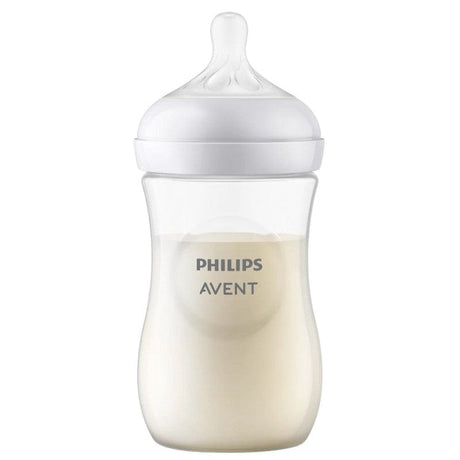
Philips Avent Responsive Natural-flaska med AirFree Anti-Colic-ventil - 260 ml
Ordinarie pris 120,39 krEnhetspris


Hur många flaskor behöver en nyfödd?
Varje flaska bör tvättas noggrant och steriliseras efter varje användning — detta är särskilt viktigt under de första sex månaderna av ett barns liv, när immunförsvaret fortfarande utvecklas. Av denna anledning, tycker de flesta föräldrar att det är praktiskt att alltid ha minst två flaskor till hands : en för den aktuella matningen och en ren i reserv. Den andra flaskan kan också användas för att ge vatten eller andra vätskor när barnet växer.
När ditt barn börjar få tänder, kan du behöva byta ut nipplar oftare, eftersom små tänder lätt kan skada dem. Det mest ekonomiska sättet är att välja ett flasksystem där ersättningsnipplar är lättillgängliga och enkla att byta ut. Varumärken som Philips Avent och Dr Brown's erbjuder ett brett urval av ersättningsnipplar med olika flödeshastigheter, vilket gör det enkelt att uppgradera när ditt barn växer utan att byta ut hela flaskan.
När det gäller att uppgradera flaskstorlek, köper du helt enkelt nästa åldersanpassade flaska när ditt barn når ett nytt utvecklingsstadium. Det finns ingen anledning att köpa alla storlekar i förväg.




Philips
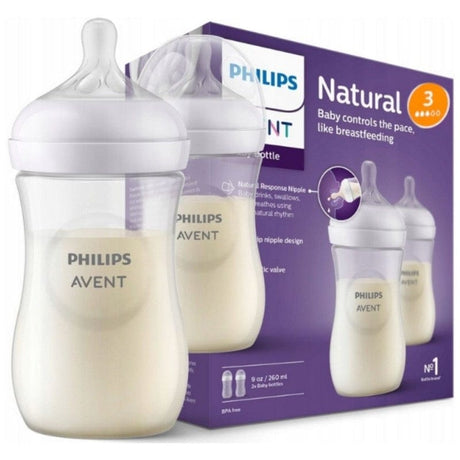
Philips Avent Responsive Baby Bottle Natural - 260 ml x 2
Ordinarie pris 180,99 krEnhetspris


Plast eller glas – vilket flaskmaterial är bäst?
Nappflaskor tillverkas vanligtvis av ett av två material, som båda har tydliga fördelar och nackdelar.
Plastflaskor är det överlägset vanligaste valet. De är lätta, och lätta att hantera (både för föräldrar och så småningom för barnet), och praktiskt taget okrossbara — en betydande praktisk fördel när du matar på språng eller när ditt barn börjar hålla flaskan självständigt. Plast behåller också värmen något längre, och håller den beredda vällingen vid en behaglig temperatur i några extra minuter. Nackdelen är hållbarheten: plastflaskor tenderar att slitas med tiden och behöver i allmänhet bytas ut ungefär var tredje månad.
Glasflaskor är mindre vanliga men har utmärkt livslängd. De repas inte, missfärgas inte, och absorberar inte lukter, och de är lätta att sterilisera. Den uppenbara nackdelen är vikten och ömtåligheten – glasflaskor är tyngre och kan gå sönder om de tappas. Varumärken som Philips Avent erbjuder glasversioner av sitt populära Natural-sortiment för föräldrar som föredrar detta alternativ.
Att välja rätt flaska – en snabb sammanfattning
Med så många alternativ tillgängliga, är det bra att fokusera på de faktorer som är viktigast:
- Börja med rätt storlek – en mindre flaska (125 ml) med en napp med långsamt flöde för nyfödda, och uppgradera gradvis när ditt barn växer.
- Överväg ett antikoliksystem om ditt barn är benäget att få gaser, uppblåsthet, eller är gnällig efter matningen.
- Ha minst två flaskor redo hela tiden så att en alltid är ren och tillgänglig.
- Välj ett system med utbytbara nipplar – nipplar slits ut snabbare än flaskor, särskilt när barnet börjar få tänder.
- Kontrollera att det står BPA-fritt på alla plastflaskor innan du köper dem.
- Välj ett pålitligt märke med ett brett utbud av tillbehör TiB — Philips Avent, Dr Brown's, och Tommee Tippee är alla välkända alternativ som finns hos Medpak.
En väl vald flaska gör den dagliga matningen smidigare och bekvämare för både föräldrar och barn. Utforska hela sortimentet av barnmatningsprodukter hos Medpak – från startpaket för nyfödda till reservnipplar och flaskvärmare, allt Hipp skickat från EU med snabb leverans och utan tullavgifter. För relaterade produkter som stödjer ditt barns allmänna välbefinnande, utforska avsnittet barns hälsa.
Viktig slutsats: Den bästa nappflaskan är en som passar ditt barns ålder, stödjer bekväm och säker matning, och passar in i ett system där nipplar och tillbehör är lätta att byta ut. Börja i liten skala, välj BPA-fria material, överväg antikolikfunktioner om det behövs, och följ alltid din barnläkares råd om portionsstorlekar.
Den här artikeln är endast i informationssyfte och ersätter inte medicinsk rådgivning. Om du har hälsoproblem, är gravid, ammar eller tar läkemedel, rådfråga läkare eller apotek. Kosttillskott ersätter inte en varierad kost.


