

Högt blodtryck – eller hypertoni – kan yttra sig på flera olika sätt: hjärtklappning, rodnade kinder, ökad irritabilitet, eller en ihållande morgonhuvudvärk som känns mest i bakhuvudet. Dessa är signaler som bör tas på allvar. Blodtrycket tenderar att stiga med åldern, och hypertoni är en av de vanligaste hjärt-kärlsjukdomarna i Europa, som drabbar ungefär en av tre vuxna. Att regelbundet kontrollera sina värden är en klok vana, och för dem som vill stödja ett hälsosamt blodtryck på naturlig väg, kan flera välstuderade örter och näringsämnen komplettera en bredare livsstilsstrategi.
Vad räknas som högt blodtryck?
Blodtrycket uttrycks som två siffror. Det övre värdet ((systoliskt)) återspeglar trycket när hjärtat drar ihop sig; det lägre ((diastoliskt)) återspeglar trycket när hjärtat vilar mellan slagen. Värden som konsekvent ligger över 140/90 mmHg klassificeras som högt blodtryck. Det optimala blodtrycket ligger på eller under 120/80 mmHg. Förhöjda värden över tid ökar risken avsevärt för stroke, hjärtinfarkt, njurskador, och andra kardiovaskulära komplikationer – vilket är anledningen till att både tidig intervention och långsiktig hantering är viktiga.
Livsstilsförändringar som konsekvent rekommenderas av vårdpersonal inkluderar att minska natriumintaget, upprätthålla en hälsosam vikt, öka den fysiska aktiviteten, begränsa alkoholintaget, sluta röka, och hantera kronisk stress. Naturliga kosttillskott och örter kan stödja dessa insatser — men de fungerar bäst som en del av en bredare strategi, inte som fristående lösningar.
Hagtorn – en hundraårig ört för hjärtat
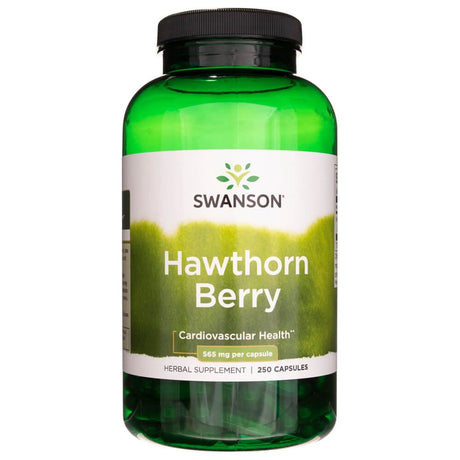
Hagtorn (Crataegus monogyna) är en av de mest grundligt undersökta medicinalväxterna för hjärt- och kärlstöd. Dess blommor, blad, och bär innehåller ett imponerande spektrum av aktiva ämnen: flavonoider, procyanidiner, C-vitamin, fytosteroler, tanniner, och mineralsalter. Flavonoiderna och procyanidinerna är särskilt relevanta – de stöder den strukturella integriteten hos blodkärlsväggarna, kan förbättra det koronära blodflödet, och är förknippade med en mild sänkning av blodtrycket. Hagtorn tros också öka kraften i hjärtats sammandragningar, vilket potentiellt förbättrar hjärtats totala effektivitet. Det har en lång tradition av användning vid behandling av hjärtsvikt i tidigt skede, cirkulationssvaghet, och förebyggande av åderförkalkning. Blommorna anses vara den mest potenta delen av växten, även om bärextrakt också används i stor utsträckning i form av kosttillskott.
Olivblad – Medelhavstradition möter modern forskning
Olivbladsextrakt (Olea europaea) har väckt stort vetenskapligt intresse för sina kardiovaskulära effekter. Dess primära aktiva substans, oleuropein, har visat sig ha antioxidativa, antiinflammatoriska, och kärlvidgande egenskaper i forskningssammanhang. Vissa studier tyder på att olivbladextrakt kan bidra till ett hälsosamt blodtryck genom att slappna av artärväggarna och minska oxidativ stress i kärlsystemet — två mekanismer som är direkt relevanta för hanteringen av högt blodtryck. Det intas enklast som ett standardiserat kapselextrakt, där oleuropeinhalten kontrolleras för en jämn dosering.
Vitlök – en köksklassiker med dokumenterade kardiovaskulära fördelar
Vitlök (Allium sativum) är en av de mest studerade naturliga substanserna för blodtrycksstöd. Dess aktiva svavelföreningar – särskilt allicin – är förknippade med milda kärlvidgande effekter och kan bidra till en måttlig sänkning av både det systoliska och det diastoliska trycket vid regelbunden användning. Vitlök stöder också en hälsosam kolesterolbalans, vilket gör den allmänt användbar för hjärt- och kärlhälsan snarare än enbart blodtrycket. Extrakt av åldrad vitlök och softgels med vitlöksolja är populära kosttillskottsformer som minimerar den sociala biverkningen av den råa formen samtidigt som de aktiva föreningarna bevaras.
Här är några noggrant utvalda växtbaserade kosttillskott som är relevanta för hjärt- och kärlhälsa samt blodtrycksstöd:




Now Foods
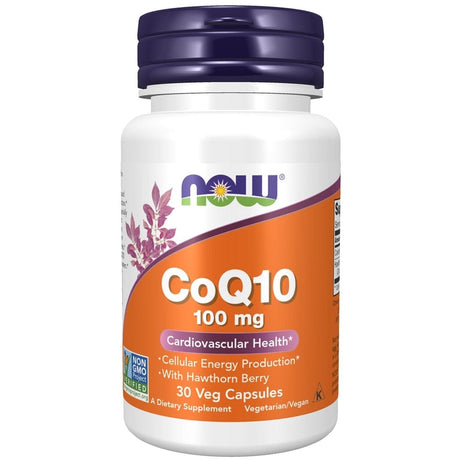
Now Foods CoQ10 100 mg med hagtornsbär - 30 vegokapslar
Ordinarie pris 120,99 krEnhetspris4,03 kr vardera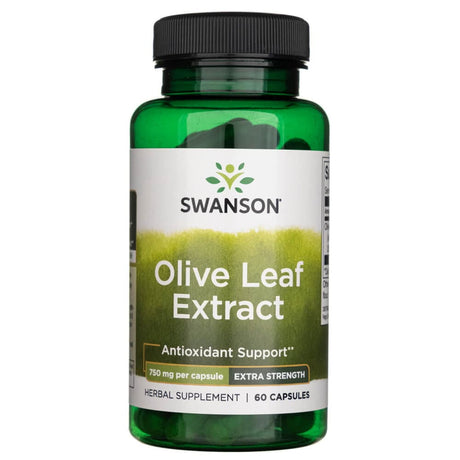


Swanson
Swanson Olivbladsextrakt 750 mg - 60 kapslar
Ordinarie pris 129,19 krEnhetspris2,15 kr vardera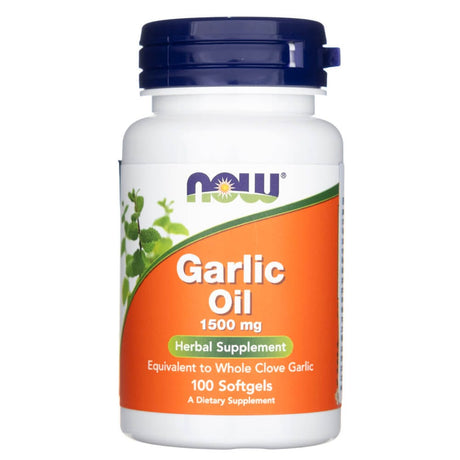


Now Foods
Now Foods Vitlöksolja 1500 mg - 100 softgels
Ordinarie pris 69,89 krEnhetspris0,70 kr vardera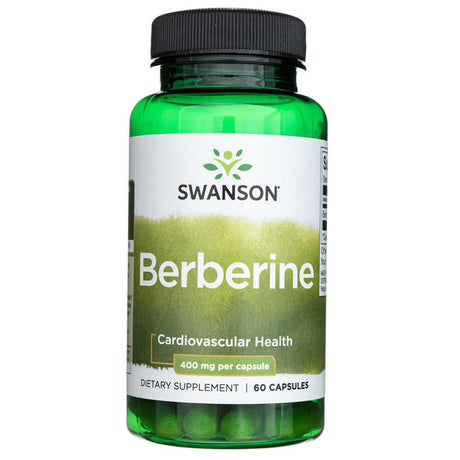


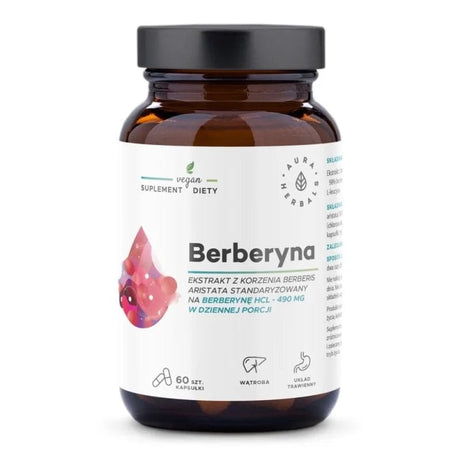
Aura Herbals
Aura Herbals Berberin (Berberis aristata) 490 mg – 60 kapslar
Ordinarie pris 127,99 krEnhetspris2,13 kr vardera


Mistel – Traditionell ört för reglering av blodtrycket
Europeisk mistel (Viscum album) har en lång historia inom örtmedicinen som ett botemedel mot cirkulationsbesvär. Dess aktiva beståndsdelar – lektiner, flavonoider, polysackarider, aminosyror, fytosteroler, och peptider – bidrar till dess milda hypotensiva (blodtryckssänkande) effekt. Misteln tros verka genom att slappna av blodkärlens väggar, främja vasodilation, och utöva en mild urindrivande effekt – vilket allt kan bidra till att minska belastningen på hjärt-kärlsystemet. Den har traditionellt använts vid behandling av mild hypertoni, arytmi, och åderförkalkning. Mistelpreparat finns som teer och kosttillskott, och är mest lämpliga som förebyggande eller kompletterande åtgärd.
Rue – En mindre känd hjärt- och kärlört
Vanlig rue (Ruta graveolens) är kanske det minst kända namnet på denna lista, men den har en dokumenterad plats i den europeiska örtmedicinska traditionen för cirkulationsbesvär. Bland dess aktiva beståndsdelar finns rutin – en bioflavonoid som särskilt är känd för sin förmåga att stärka kapillärväggarna och minska deras permeabilitet. Denna kärlstärkande verkan gör rue relevant för stöd av perifer cirkulation, hantering av mild hypertoni, och anti-aterosklerotiska preparat. Ruta förekommer ofta som en komponent i kombinerade fytoterapeutiska produkter avsedda för kärlhälsa snarare än som en fristående ört.
Viktiga näringsämnen som stödjer ett hälsosamt blodtryck
Utöver örter, spelar flera essentiella näringsämnen en väl etablerad roll i blodtrycksreglering och den övergripande kardiovaskulära funktionen. Magnesium hjälper till att slappna av den glatta muskulaturen i blodkärlens väggar och är vanligtvis bristfälligt i västerländska dieter — låga magnesiumnivåer är konsekvent förknippade med förhöjt blodtryck. Kalium motverkar natriums blodtryckshöjande effekter och är en viktig elektrolyt för kärlhälsan. Omega-3-fettsyror (EPA och DHA) bidrar till normal hjärtfunktion och stödjer hälsosamma triglyceridnivåer. Koenzym Q10 är viktigt för cellernas energiproduktion i hjärtmuskeln och kan också bidra till en måttlig sänkning av det systoliska blodtrycket vid regelbunden användning. Dessa näringsämnen är mest effektiva när de först tillförs via kosten — men kosttillskott kan hjälpa till att fylla luckor, särskilt för dem med specifika riskfaktorer eller kostbegränsningar.
Utforska vår samling av kosttillskott för hjärt- och kärlhälsa och bläddra bland produkter som är utformade för att stödja hjärt- och cirkulationshälsan:
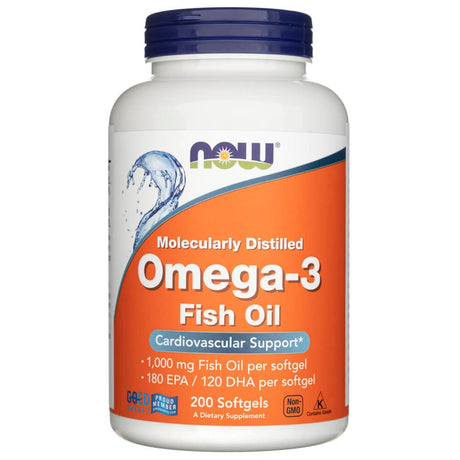


Now Foods
Now Foods Omega-3,180 EPA / 120 DHA - 200 softgels
Ordinarie pris 212,19 krEnhetspris1,06 kr vardera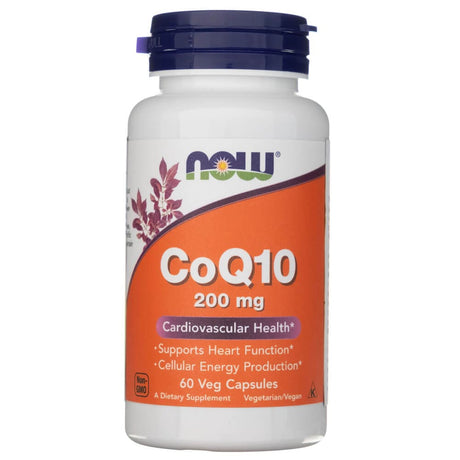
Now Foods
Now Foods CoQ10 200 mg - 60 vegokapslar
Ordinarie pris 337,99 krEnhetspris5,63 kr vardera
Doctor's Best
Doctor's Best CoQ10 med hög absorption och BioPerine 100 mg - 120 veg. kapslar
Ordinarie pris 420,49 krEnhetspris3,50 kr vardera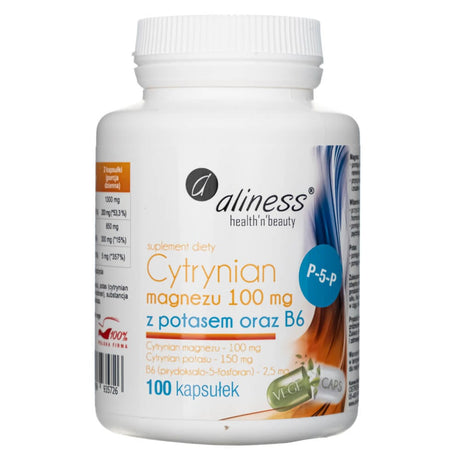


Aliness
Aliness Magnesiumcitrat 100 mg med kalium 150 mg, B6 (P-5-P) - 100 veg. kapslar
Ordinarie pris 136,39 krEnhetspris1,36 kr vardera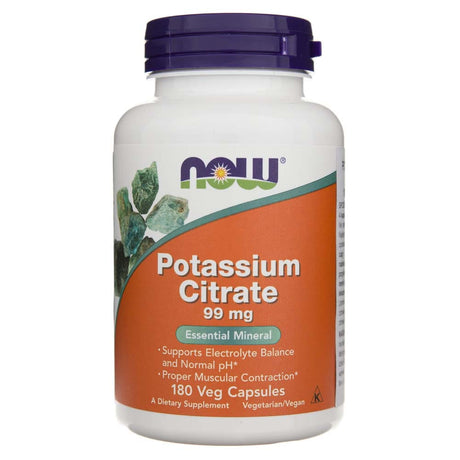


Now Foods
Now Foods Kaliumcitrat 99 mg - 180 vegokapslar
Ordinarie pris 131,59 krEnhetspris0,73 kr vardera
Doctor's Best
Doctor's Best Nattokinas 2,000 FUs - 90 Veg Kapslar
Ordinarie pris 268,09 krEnhetspris2,98 kr vardera


En praktisk approach till blodtryckshälsa
Att hantera blodtrycket på ett naturligt sätt handlar sällan om en enda ört eller ett enda kosttillskott — det är kombinationen av livsstilsvanor, konsekvent kost, stresshantering, och riktade kosttillskott som gör den största skillnaden över tid. De örter och näringsämnen som behandlas här representerar några av de bäst dokumenterade alternativen för kompletterande stöd för hjärt- och kärlhälsan. Om du redan tar receptbelagda läkemedel, bör du alltid diskutera eventuella kosttillskott med din läkare innan du lägger till dem i din rutin. För ett bredare urval av produkter som kan stödja hjärt- och cirkulationshälsan, besök vår omega-3- och fiskoljekollektionen och vårt särskilda sortiment av magnesiumtillskott.
Den här artikeln är endast i informationssyfte och ersätter inte medicinsk rådgivning. Om du har hälsoproblem, är gravid, ammar eller tar läkemedel, rådfråga läkare eller apotek. Kosttillskott ersätter inte en varierad kost.


