

Cashewnötter är en av de mest konsumerade nötterna i världen – ändå är deras väg från träd till bord förvånansvärt komplex och relativt ny inom den globala livsmedelshandeln. Till skillnad från mandlar eller valnötter, som har odlats i årtusenden i Europa och Mellanöstern, var cashewnötter i stort sett okända utanför sina ursprungsregioner fram till 1500-talet. Toda De uppskattas både för sin distinkta krämiga smak och för en näringsprofil som placerar dem bland de mineralrikaste trädnötterna som finns. Här är vad cashewnötter innehåller, vad de erbjuder för hälsan, och hur man bäst använder dem.
Varifrån cashewnötter kommer
Cashewträdet (Anacardium occidentale) är hemma i nordöstra Brasilien, varifrån portugisiska handelsmän introducerade det till Indien, Afrika, och Sydostasien under 1500-talet. Toda Världens största producenter är Vietnam, Indien, Elfenbenskusten, och Filippinerna. Trädet uppskattades inledningsvis främst för sitt virke och för cashewäpplet — den köttiga, päronformade skenfrukten som nöten sitter fast på. Själva nöten, som finns inuti ett hårt skal hängande under äpplet, förbises i stort sett.
Att skörda cashewnötter är i sig arbetsintensivt. Skalet innehåller anacardinsyra – ett frätande harts som orsakar allvarlig hudirritation vid kontakt – vilket innebär att varje nöt måste extraheras för hand, med hjälp av verktyg och skyddshandskar. Efter extraktionen, genomgår nötterna noggrann rostning och värmebehandling för att neutralisera de kvarvarande spåren av harts innan de är säkra att äta. Denna process, i kombination med den omsorg som krävs i varje steg, är den främsta anledningen till att cashewnötter har ett högre pris än de flesta andra nötter.
Näringsprofil
Cashewnötter är näringsrika och tillför ett brett spektrum av viktiga näringsämnen per portion. En portion på 30 gram (ungefär en liten handfull) bidrar väsentligt till det dagliga behovet av flera viktiga mineraler och makronäringsämnen:
- Protein — cirka 5 g per portion på 30 g; cashewnötter innehåller alla essentiella aminosyror, även om de har lägre lysinhalter än baljväxter
- Hälsosamma fetter — främst oljesyra (samma enkelomättade fett som finns i olivolja), med mindre mängder linolsyra (omega-6); cashewnötter har lägre totalt fettinnehåll än de flesta andra nötter
- Magnesium — en av de rikaste källorna bland nötter; 30 g ger ungefär 20 % av det dagliga behovet för vuxna
- Zink — viktigt för immunförsvaret, hudens hälsa, och sårläkning
- Järn — anmärkningsvärt högt för en växtbaserad livsmedel, även om upptaget förbättras när det äts tillsammans med C-vitaminrika livsmedel
- Koppar — nödvändigt för energimetabolismen och bildandet av bindväv
- Fosfor och kalcium — bidrar till normal ben- och tandstruktur
- B-vitaminer — särskilt B1 (tiamin), B5 (pantotensyra), och B6, som bidrar till normal energimetabolism och nervsystemets funktion
- Vitamin K och vitamin E — fettlösliga antioxidanter som bidrar till normal blodkoagulering och cellskydd
Cashewnötter innehåller också tryptofan — en föregångare till serotonin — vilket delvis kan förklara deras rykte om att främja humör och mättnadskänsla. Deras fiberinnehåll, även om det är lägre än hos andra nötter, bidrar till regelbunden tarmfunktion och mättnadskänsla efter måltid.
Viktiga hälsofördelar
Hjärt- och kärlhälsa
Det dominerande fettet i cashewnötter är oljesyra, en enkelomättad fettsyra som förknippas med att upprätthålla normala LDL-kolesterolnivåer när den ersätter mättat fett i kosten. Studier som undersöker nötkonsumtion mer generellt — inklusive cashewnötter — visar genomgående på samband med förbättrade kardiovaskulära riskprofiler. Magnesium- och kaliuminnehållet i cashewnötter bidrar också till en normal blodtrycksreglering, eftersom båda mineralerna spelar en direkt roll i kärlfunktionen. För riktat näringsstöd för hjärt- och kärlhälsa, innehåller vår hjärt- och kärlkollektion ett urval av relevanta kosttillskott.
Ben- och tandhälsa
Cashewnötter är en betydande källa till fosfor, kalcium, och magnesium — tre mineraler som tillsammans bidrar till upprätthållandet av en normal benstruktur. Magnesium spelar särskilt en roll för benmineraldensiteten som ofta underskattas i förhållande till kalcium. Regelbunden konsumtion av nötter som en del av en varierad kost är förknippad med bättre benhälsa i epidemiologisk forskning.
Kognitiv funktion och stöd för nervsystemet
Magnesium, B-vitaminer (särskilt B1, B6), och hälsosamma fetter bidrar alla till en normal funktion av nervsystemet. Tryptofaninnehållet i cashewnötter stöder serotoninsyntesen, vilket påverkar humöret, sömnkvaliteten, och aptitregleringen. Koppar i cashewnötter bidrar också till normal neurologisk funktion — det behövs för syntesen av myelin och flera viktiga neurotransmittorer.
Hud, Hår och naglar
Zink är ett av de viktigaste mikronäringsämnena för hudens hälsa, och bidrar till normal proteinsyntes, sårläkning, och reglering av talgproduktionen. Cashewnötter är en av de bättre växtbaserade källorna till zink. Deras innehåll av vitamin E och oljesyra stöder dessutom hudens barriärfunktion och fuktbevarande förmåga. För dem som vill komplettera dessa näringsämnen mer precist vid sidan av sin kost, innehåller vår hår, hud och naglar-kollektion riktade zink- och biotinbaserade alternativ.
Efter träning R Ecover y
Cashewnötter erbjuder en praktisk kombination av protein, magnesium, och kolhydrater som gör dem till ett förnuftigt mellanmål efter träning. Magnesium bidrar till normal proteinsyntes och hjälper till att minska muskeltrötthet, medan proteininnehållet stödjer muskelåterhämtning. Deras energitäthet och bärbarhet gör dem till ett effektivt alternativ för idrottare och aktiva personer.
Hur man väljer och köper cashewnötter
När man köper cashewnötter, är det viktigaste kriteriet att de inte innehåller onödiga tillsatser. Med naturella, UNS osaltade cashewnötter kan du själv kontrollera kryddningen och undvika överskott av natrium. Leta efter hela, oskadade kärnor med en ljus krämfärg och en frisk, mild doft – trasiga eller missfärgade nötter kan ha lagrats på fel sätt. Ekologiska cashewnötter är att föredra om de finns tillgängliga, eftersom träden ibland behandlas med bekämpningsmedel under odlingen.
Cashewnötter förvaras bäst i en tät behållare på en sval, mörk plats. Deras högre kolhydrat- och lägre fettinnehåll jämfört med andra nötter innebär att de är något mindre hållbara än mandlar eller valnötter — kylförvaring förlänger deras hållbarhet om du inte konsumerar dem snabbt.
Cashewnötter i köket
Cashewnötter är en av de mest mångsidiga nötterna i matlagningen. Deras mjuka konsistens och milda,, lätt söta smak gör dem lämpliga för både salta och söta rätter:
- Som mellanmål — ätna råa, lätt rostade, eller kryddade med kryddblandningar
- I asiatisk matlagning — en basingrediens i wokrätter, curryrätter, och risrätter i syd- och sydostasiatiska kök
- Som mjölkersättning — blandat med vatten, ger cashewnötter en naturligt krämig ”mjölk” eller grädde som passar bra i soppor, såser, och desserter
- I bakning och desserter — hackade cashewnötter ger konsistens åt kakor, energibollar, och chokladbark
- Som cashewnötssmör — ett milt, smörbart alternativ till jordnötssmör
- I pesto och dippsåser — cashewnötter kan ersätta pinjenötter i pesto och smälter smidigt in i hummusliknande dippsåser
Nötbaserade snacks hos Medpak
Medan hela cashewnötter bäst köps från en kvalitetslivsmedelsbutik, innehåller vår Vår kollektion av hälsosamma snacks innehåller nötbaserade alternativ som är värda att utforska — inklusive en cashewbar från Dobra Kaloria och kombinationer av dadlar och nötter från Porcja Dobra, som erbjuder ett naturligt, helkostsnacksformat utan tillsatt socker:

Dobra Kaloria
Dobra Kaloria Mini Cashew Bars med hallonsmak – 6x17 g
Ordinarie pris 41,59 krEnhetspris6,93 kr vardera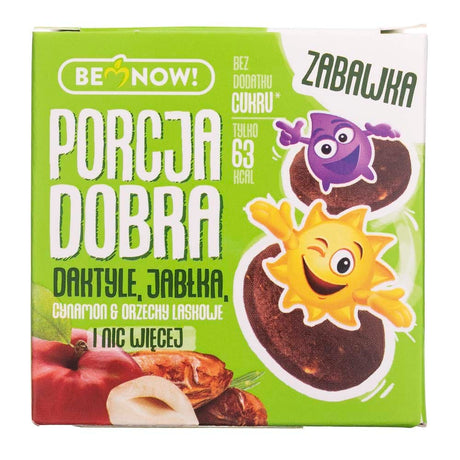


Porcja Dobra
Porcja Dobra Surprise Cube, Dadlar, Äpple, Hasselnötter och kanel - 20 g
Ordinarie pris 18,00 krEnhetspris9,00 kr /10g


Viktiga mineraler som finns i cashewnötter — Som kosttillskott
För dem som vill stödja sitt intag av magnesium och zink mer precist — oavsett om de äter cashewnötter regelbundet eller inte — är riktade mineraltillskott ett effektivt och pålitligt sätt att säkerställa ett adekvat dagligt intag. Magnesium bidrar till normal muskel- och nervfunktion, energimetabolism, och benhälsa; zink bidrar till normal immunfunktion, hudhälsa, och proteinsyntes. Båda ämnena intas ofta i för liten mängd i den europeiska kosten:
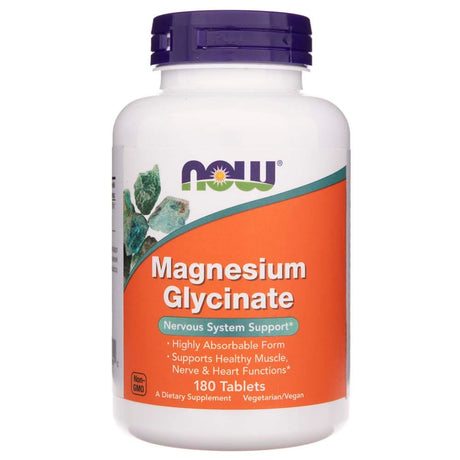


Now Foods
Now Foods Magnesiumglycinat 100 mg - 180 tabletter
Ordinarie pris 252,00 krEnhetspris1,40 kr vardera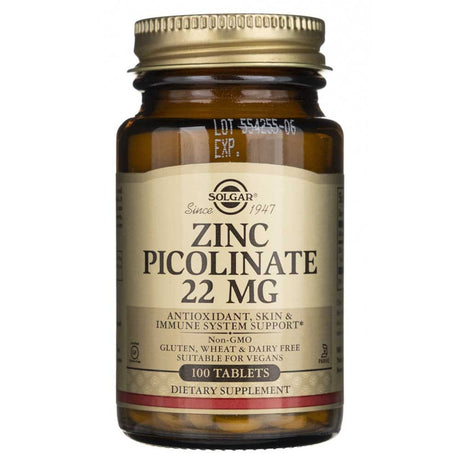


Solgar
Solgar Zinkpikolinat 22 mg - 100 tabletter
Ordinarie pris 140,00 krEnhetspris1,40 kr vardera


Now Foods
Now Foods L-OptiZinc 30 mg - 100 vegokapslar
Ordinarie pris 102,00 krEnhetspris1,02 kr vardera


Den här artikeln är endast i informationssyfte och ersätter inte medicinsk rådgivning. Om du har hälsoproblem, är gravid, ammar eller tar läkemedel, rådfråga läkare eller apotek. Kosttillskott ersätter inte en varierad kost.


