

Cirsium oleraceum, i polsk folktradition känd som czarcie żebro (”djävulens revben”), är en flerårig ört från familjen Asteraceae som i århundraden har haft en viktig plats inom naturmedicinen. Denna iögonfallande växt, som förekommer på fuktiga ängar och flodbankar över hela Centraleuropa, uppskattas för sina antiinflammatoriska, TiB antibakteriella, och matsmältningsfrämjande egenskaper. I den här artikeln, utforskar vi dess utseende, aktiva ämnen, traditionella användningsområden, och hur man tillagar örtteer — tillsammans med viktiga kontraindikationer.
Vad är kål-tistel (Cirsium oleraceum)?
Kål-tistel är en robust, fuktälskande perenn som växer till mellan 50 och 150 cm i höjd. Den känns lätt igen på sina stora, flikiga blad med tandade kanter och sina ljusgula, korgformade blomhuvuden — tydligt skilda från de lila blommorna hos den mer välkända mjölktisteln. Växten trivs i våtmarksmiljöer: flodbankar, fuktiga ängar, och sumpiga snår. Den blommar från juli till september och är mycket attraktiv för bin och andra pollinatörer.
Den tjocka, köttiga roten – ljusgul eller krämfärgad med en distinkt doft – är en av de medicinskt mest värdefulla delarna av växten. Den innehåller en koncentrerad sammansättning av aktiva ämnen, inklusive flavonoider, tanniner, saponiner, och fenolsyror, som ligger till grund för örtens breda spektrum av traditionella användningsområden.
Ursprunget till namnet ”Djävulens revben”
Det dramatiska polska folknamnet czarcie żebro (”djävulens revben”) återspeglar både växtens morfologi och dess plats i den slaviska folktroen. De stora, djupt flikiga bladen — som liknar rader av revben — gav upphov till den anatomiska associationen, medan prefixet "djävulens" var ett vanligt folkligt grepp för att betona en växts kraft: något kraftfullt Enough som avvärjer sjukdom eller onda andar måste bära på något av det övernaturliga i sig.
I slavisk tradition, användes växten i skyddsritualer och som en folklig amulett. Man trodde att den avvärjde förbannelser och förde hälsa och lycka till dem som bar den. Dessa föreställningar speglar en lång historia av människors sökande efter allierade i växtvärlden – en tradition som fortsätter i form av evidensbaserade örtkosttillskott. Aktiva föreningar i Cirsium oleraceum Det terapeutiska intresset för kål-tistel härrör från dess mångsidiga fytokemiska profil. Forskning om familjen Asteraceae och närbesläktade tistelarter har identifierat följande viktiga föreningsgrupper:
- Triterpensaponiner — bidrar till antiinflammatorisk och TiB antibakteriell verkan.
- Flavonoider — naturliga antioxidanter som hjälper till att skydda celler från oxidativ stress och kan stödja normal kardiovaskulär funktion.
- Tanniner — sammandragande föreningar med antibakteriella egenskaper TiB som traditionellt används för att stödja slemhinnans hälsa.
- Fytosteroler — växtföreningar som kan stödja normal kolesterolmetabolism.
- Fenolsyror — potenta antioxidanter som bidrar till växtens antiinflammatoriska profil.
Växten tillför även C-vitamin, K-vitamin, magnesium, kalium, järn, och kalcium — mikronäringsämnen som bidrar till normal fysiologisk funktion., Koncentrationerna i örtpreparat är dock måttliga och bör inte betraktas som en ersättning för riktade kosttillskott.
Potentiella hälsofördelar och traditionella användningsområden
Kål-tistel har använts i generationer inom den centraleuropeiska folkmedicinen för en rad olika ändamål. Modern fytoterapi fortsätter att undersöka dessa användningsområden, och även om storskaliga kliniska prövningar på Cirsium oleraceum är begränsade, tyder växtens aktiva föreningar på flera intressanta områden.
Stöd för matsmältningen och mag-tarmkanalen
Infusioner av kål-tistel har traditionellt använts för att stödja en sund matsmältning och lindra besvär i mag-tarmkanalen. Tannininnehållet kan bidra till lindring av uppblåsthet och mild magirritation. Regelbunden konsumtion av örtteer från Asteraceae-växter har en lång historia av användning för att stödja matsmältningsslemhinnan — ett område som vår bredare samling av kosttillskott för matsmältningssystemet också täcker med moderna, standardiserade formuleringar.
Stöd för levern och avgiftning
En av de viktigaste traditionella användningarna av kål-tistel är stöd för leverfunktionen. Växtens saponiner och fenolsyror kan bidra till leverns naturliga avgiftningsprocesser. Detta stämmer överens med verkan hos mjölktistel (Silybum marianum) — en bättre studerad medlem av samma botaniska familj — vars aktiva förening silymarin är en av de mest undersökta leverskyddande substanserna inom fytoterapi. För dem som är intresserade av evidensbaserat stöd för levern och rening, erbjuder våra detox- och reningskosttillskott ett urval av standardiserade alternativ.
Antiinflammatoriska och antioxidativa egenskaper
Innehållet av flavonoider och fenolsyror i tistel kan hjälpa kroppen att hantera oxidativ stress och stödja normala inflammatoriska reaktioner. Dessa egenskaper har gjort växten till en beståndsdel i traditionella kompresser och utvärtes preparat för mindre hudinflammationer och sårvård. För systemiskt antioxidantstöd, utforska vår antioxidantkollektion, som innehåller noggrant testade kosttillskott från internationellt erkända varumärken.
Stöd för immunförsvaret
Regelbunden konsumtion av örtteer rika på C-vitamin och flavonoider har historiskt sett förknippats med att stödja kroppens naturliga försvar. Även om man inte bör förlita sig på tistel ensam som ett immuntillskott, ingår den i en bredare tradition av att använda bittra och antiinflammatoriska örter för att upprätthålla allmän motståndskraft. Utforska våra kosttillskott för immunförsvaret för vetenskapligt baserade alternativ som kompletterar en hälsosam livsstil.
Hur man tillagar kål-tistel hemma
Torkade ovanjordiska delar eller rötter av Cirsium oleraceum kan användas för att tillaga enkla örtpreparat. Följande metoder följer traditionell europeisk praxis.
Örtte ()
- Lägg en matsked torkad ört i en kopp och häll över nykokt vatten.
- Täck över och låt dra i 10–15 minuter.
- Sila och drick en halv kopp, 2–3 gånger per dag.
Avkok
- Lägg en matsked torkad ört i en liten kastrull med en kopp kallt vatten.
- Koka upp, och låt sedan sjuda försiktigt i 5–10 minuter.
- Sila och drick en halv kopp, två gånger dagligen.
Örtbad
- Bered 50–100 g torkad ört med 2–3 liter vatten.
- Koka i 15–20 minuter, låt dra i 10 minuter, sila sedan.
- Tillsätt i ett fullt badkar och ligg i 20–30 minuter. Används traditionellt för att främja hudens hälsa och avslappning.
Kompress
- Bered ett avkok enligt beskrivningen ovan och låt svalna något.
- Blötlägg en ren trasa eller gasväv i vätskan och lägg på det drabbade området.
- Låt verka i 20–30 minuter. Upprepa 2–3 gånger dagligen vid lindrig hudirritation.
Tillgängliga former och kosttillskottsalternativ
Medan Cirsium oleraceum ännu inte är allmänt tillgängligt i standardiserad kosttillskottsform, är dess nära botaniska släktingar – särskilt mariatistel – det. Produkter som innehåller mariatistelextrakt (standardiserat för silymarininnehåll) är de mest omfattande studerade kosttillskotten från tistelfamiljen för stöd av levern och matsmältningen. Kapslar, flytande extrakt, och tinkturer finns alla tillgängliga och erbjuder fördelen av en jämn, uppmätt dosering.


Now Foods
Now Foods Mjölktistelextrakt 150 mg Silymarin (120 mg) - 120 veg. kapslar
Ordinarie pris 164,99 krEnhetspris1,37 kr vardera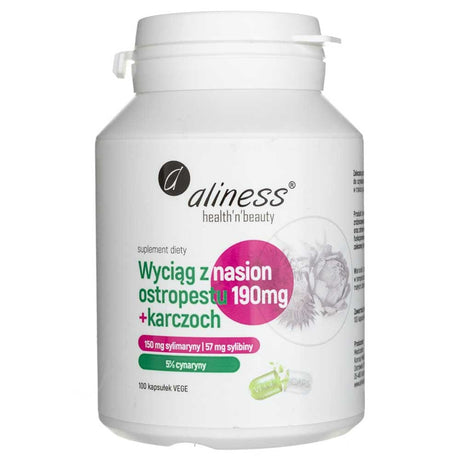


Aliness
Aliness Extrakt av mjölktistelfrö + kronärtskocka - 100 vegokapslar
Ordinarie pris 129,89 krEnhetspris1,30 kr vardera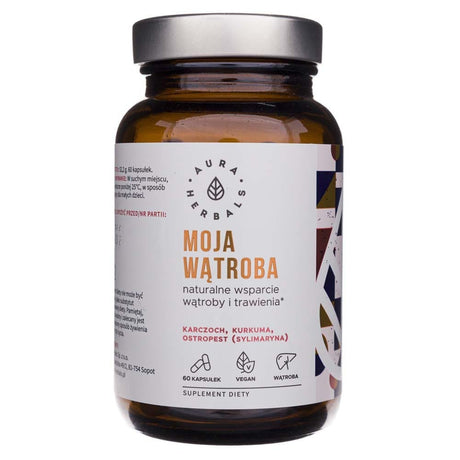


Aura Herbals
Aura Herbals Liver Support – 60 kapslar
Ordinarie pris 126,29 krEnhetspris2,10 kr vardera
Now Foods
Now Foods Liver Refresh - 90 vegokapslar
Ordinarie pris 194,19 krEnhetspris2,16 kr vardera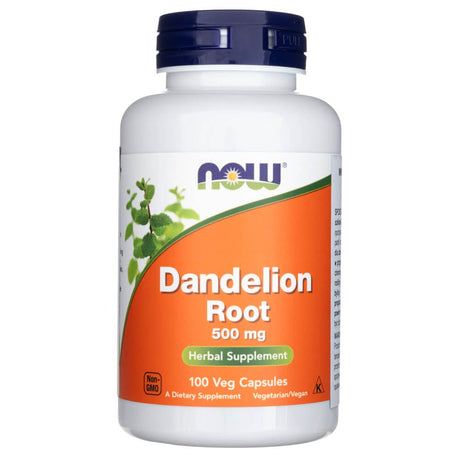


Now Foods
Now Foods Maskrosrot 500 mg - 100 vegokapslar
Ordinarie pris 97,09 krEnhetspris0,97 kr vardera


Kontraindikationer och möjliga biverkningar
Trots sin långa användningshistoria, är maskros inte lämplig för alla. Följande kontraindikationer gäller och bör tas på allvar före användning.
- Graviditet och amning — otillräckliga säkerhetsdata; undvik användning.
- Allergi mot växter av familjen Asteraceae — de som reagerar på kamomill, ringblomma, eller ambrosia kan också reagera på kål-tistel.
- Njursjukdom — använd med försiktighet; rådfråga vårdpersonal.
- Barn under 12 år — otillräckliga bevis för säker användning i denna åldersgrupp.
Möjliga biverkningar, särskilt vid överdriven konsumtion, inkluderar magbesvär, illamående, och hudreaktioner hos känsliga individer. Allergiska reaktioner som sträcker sig från utslag till, sällan, urtikaria har rapporterats med Asteraceae-växter som klass.
Örtmedicinska traditioner och modern kosttillskottsanvändning
Kål-tistel är ett fascinerande exempel på hur traditionell europeisk växtmedicin fortfarande är relevant Toda y. Dess rika fytokemiska profil, långa folkliga historia, och specifika användningsområden — matsmältningshälsa, leverstöd, och antioxidantförsvar — stämmer väl överens med några av de mest populära kategorierna inom moderna hälsotillskott.
För dem som är intresserade av växtbaserade metoder för välbefinnande, samlar vår kuraterade örtkollektion pålitliga varumärken och noggrant utvalda formuleringar som förenar traditionell botanisk visdom med moderna kvalitetsstandarder. Oavsett om du lockas av folktraditionerna i Centraleuropa eller letar efter standardiserade växtextrakt, finns det ett genomtänkt urval som passar dina individuella behov.


Aliness
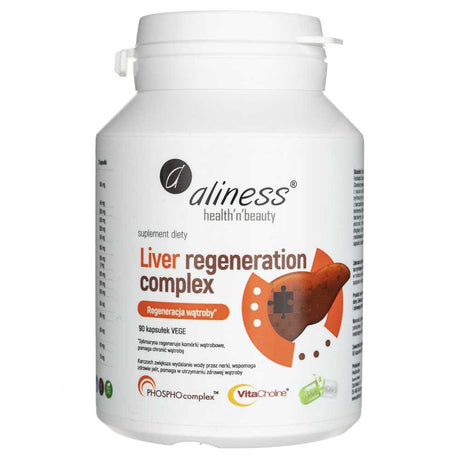
Aliness Liver Regeneration Complex - 90 vegokapslar
Ordinarie pris 243,39 krEnhetspris2,70 kr vardera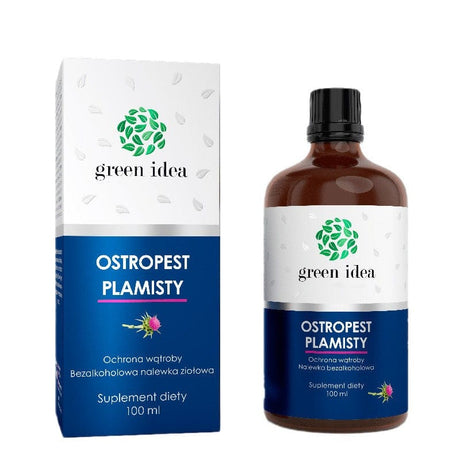 5% rabatt
Green Idea
Green Idea Milk Thistle (Alkoholfri tinktur) – 100 ml
Försäljningspris 121,66 kr Ordinarie pris 128,69 krEnhetspris1 216,60 kr /l


Swanson
Swanson Full Spectrum Mjölktistel 500 mg - 100 kapslar
Ordinarie pris 60,89 krEnhetspris0,61 kr vardera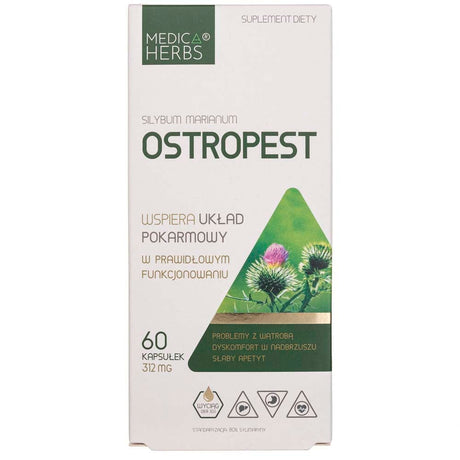


Medica Herbs
Medica Herbs Tistel 312 mg - 60 kapslar
Ordinarie pris 57,29 krEnhetspris0,95 kr vardera


Den här artikeln är endast i informationssyfte och ersätter inte medicinsk rådgivning. Om du har hälsoproblem, är gravid, ammar eller tar läkemedel, rådfråga läkare eller apotek. Kosttillskott ersätter inte en varierad kost.


