

Björksav är en klar, lätt söt vätska som skördas varje vår från björkar — oftast från silverbjörk (Betula pendula) eller dunbjörk (Betula pubescens). I polsk tradition kallas den oskoła, och har i århundraden konsumerats i slaviska och nordeuropeiska kulturer som årets första färska dryck efter vintern. Toda y, Ett förnyat intresse för naturliga och minimalt bearbetade livsmedel har återfört björksav till mainstream — både som dryck och som ingrediens i hudvård.
Hur smakar björksav?
Färsk björksav är ljus till färgen – allt från nästan genomskinlig till mycket svagt grumlig – med en delikat, milt söt smak och en lätt strävhet. Den är uppfriskande och behaglig att dricka som den är, men dess subtilitet gör den också till en mångsidig bas för smoothies, örtteer, och lätta marinader. Den exakta smakprofilen varierar beroende på markförhållanden, trädets ålder, det lokala klimatet, och tidpunkten för insamlingen under säsongen: tidiga skördar tenderar att vara friskare, medan senare skördar kan vara något sötare och mer uttalade.
Vad innehåller björksav?
Björksav består till cirka 99 % av vatten, men den återstående 1 % innehåller en rad naturligt förekommande näringsämnen. Bland mineralerna finns kalcium och kalium i störst mängd, tillsammans med magnesium, zink, mangan, koppar, järn, och natrium. B-vitaminer (B1, B2, B6) och C-vitamin finns i små mängder, liksom aminosyror, däribland arginin och glutamin, organiska syror såsom äppelsyra, samt naturligt förekommande glukos och fruktos — vilket håller kaloriinnehållet mycket lågt, på ungefär 5–10 kcal per 100 ml. Polyfenoler, däribland betulin, en förening som härrör från björkbark, finns också i björksav.
På grund av sitt naturligt förekommande mineralinnehåll och låga sockerinnehåll, jämförs björksav ibland med en mild isotonisk dryck. Med detta sagt, är koncentrationerna av enskilda näringsämnen måttliga — björksav är en livsmedelsprodukt, inte ett kosttillskott, och bör inte förväntas ersätta en varierad kost eller medicinsk behandling.
När skördas björksav?
Skördeperioden är kort: tidig vår, vanligtvis från mitten av mars till början av april i tempererade europeiska klimat. De idealiska förhållandena innebär nattfrost följt av dagstemperaturer runt 5–8 °C som håller i sig i minst tre till fem dagar. Dessa temperaturväxlingar driver på den aktiva saftcirkulationen i stammen. Efter detta fönster, när trädet börjar knoppa, blir saven bitter och grumlig och är inte längre lämplig att dricka. Äldre, etablerade träd ger i allmänhet mer sav än yngre, och en längre eller kallare vinter innebär vanligtvis ett kraftigare flöde på våren.
Hur man samlar björksav – tre metoder
Från avskurna kvistar – den skonsammaste och minst produktiva metoden. Skär av flera små grenar med rena sekatörer och placera de avskurna ändarna i en glasflaska. Saven droppar in långsamt under flera timmar. Trädet läker snabbt utan bestående skador.
Från ett snitt i barken — mer produktivt, och väl lämpat för träd med en något vinklad stam. Gör ett grunt snitt med en ren kniv eller liten yxa och placera en behållare under för att fånga upp flödet. Snittet läker vanligtvis inom tre till fyra dagar.
Genom borrning — den mest effektiva men mest invasiva metoden. Borra ett hål med en diameter på cirka 10 mm och 2–3 cm djupt i stammen, cirka 30–50 cm från marken (grundare för yngre träd). För in en ren silikonslang för att leda saven till en uppsamlingsbehållare. När du är klar, täpp till hålet med en träplugg eller bivax.
Hur man förvarar björksav
Färsk björksav är lättfördärvlig och börjar jäsa inom en dag eller två vid rumstemperatur. Efter uppsamlingen, silar du den genom en ostduk för att ta bort skräp och ställer den omedelbart i kylskåp i en förseglad glasflaska. Förvarad på detta sätt, håller den sig i fyra till fem dagar.
För längre förvaring, är frysning det enklaste alternativet — fördela saven i behållare med lite utrymme för expansion och frys i upp till flera månader. Alternativt kan du pastörisera den: värm saften försiktigt till cirka 85–90 °C, häll den i steriliserade glasburkar eller flaskor med täta lock och värm i ett varmvattenbad i cirka 15 minuter. Pastöriserad björksav som förvaras på en sval och mörk plats kan hålla i upp till ett år, även om dess friska karaktär kommer att förändras något.
Hur mycket björksav ska man dricka
Det finns ingen officiell rekommenderad dos. Ett förnuftigt tillvägagångssätt är att börja med cirka 50 ml per dag och öka gradvis till ett helt glas (cirka 200 ml) om du tål det väl. De flesta traditionella riktlinjer föreslår att man inte överskrider tre glas dagligen. Björksav innehåller naturligt förekommande mangan, och mycket hög daglig konsumtion under en längre period är inte tillrådligt.
Kontraindikationer
Björksav passar inte alla. Personer med björkpollenallergi bör iaktta särskild försiktighet på grund av risken för korsreaktioner – symtom kan inkludera klåda i munnen, stickningar, eller svullnad. Björksav rekommenderas inte heller vid urinvägsobstruktion. Om du har några befintliga hälsoproblem, bör du rådfråga din läkare innan du regelbundet lägger till björksav i din kost.
Användningssätt för björksav
Björksav smakar bäst kyld och färsk. Förutom att dricka den ren, fungerar den bra som bas i vårens smoothies — i kombination med jordgubbar, hallon, eller banan, tillför den en subtil botanisk karaktär utan att överväldiga andra smaker. Den kan ersätta vatten i örtteer; tillsammans med mynta eller citronmeliss, blir det en mild, aromatisk dryck. Vissa använder den i salladsdressingar eller lätta marinader istället för en del av vinägern eller citronsaften. Traditionellt, kan björksav också jäsa till en milt mousserande, lätt syrlig dryck som ibland kallas björkkvass.
Björksav i hudvård
Björksav har fått en betydande plats inom kosmetika, särskilt i koreansk hudvård, där den uppskattas som en återfuktande och lugnande ingrediens. Den är rik på mineraler, aminosyror, och naturliga sockerarter, och används i toners, serum, krämer, och rengöringsmedel som är utformade för att stödja hudbarriären och ge lätt fukt utan att tynga ner huden.
Round Labs serie med björksaft är ett av de mest uppskattade exemplen — ett komplett hudvårdssortiment byggt kring björksav som den primära aktiva ingrediensen, från dagliga rengöringsprodukter och återfuktande toners till serum, fuktgivande krämer, sheet masks, och solskyddscremer med SPF50+ UNS. Formlerna är utformade för att vara skonsamma Enough mot känslig hud samtidigt som de ger jämn återfuktning. Utforska hela sortimentet i vår ansiktskosmetiksamling.

Round Lab
Round Lab Björkjuice Återfuktande ansiktsvatten - 300 ml
Ordinarie pris 148,99 krEnhetspris496,63 kr /l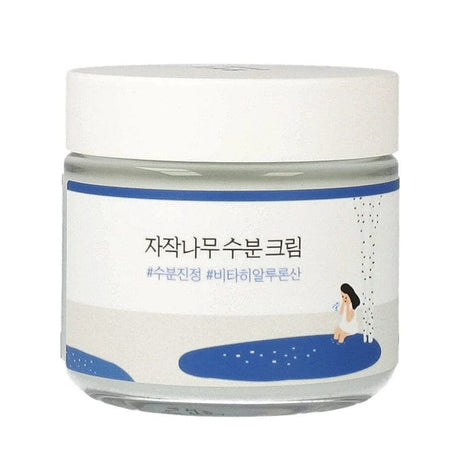


Round Lab
Round Lab Björkjuice Återfuktande kräm - 80 ml
Ordinarie pris 236,09 krEnhetspris29,51 kr /10ml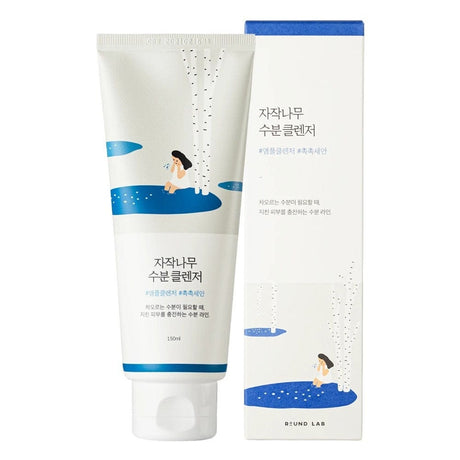

Round Lab
Round Lab Björkjuice Återfuktande rengöringsmedel - 150 ml
Ordinarie pris 120,29 krEnhetspris801,93 kr /l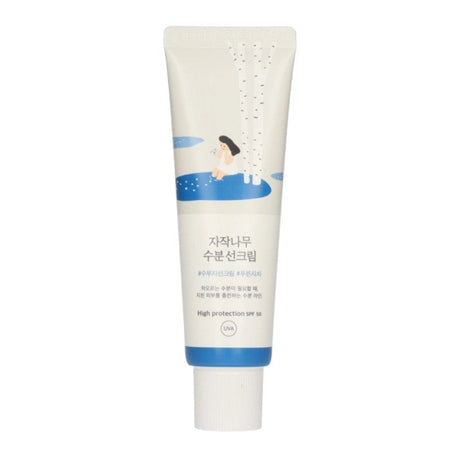

Round Lab
Round Lab Björkjuice Återfuktande S UNS creen SPF 50 - 50 ml
Ordinarie pris 183,39 krEnhetspris366,78 kr /100ml

 15% rabatt
Round Lab
Round Lab Birch Juice Moisturizing Mask – 10 stycken
Försäljningspris 160,51 kr Ordinarie pris 189,19 krEnhetspris16,05 kr vardera


Björk förekommer även i andra former än hudvård. Den oljefria lotionen COSRX med björksav är en lätt kroppslotion för dig som föredrar en minimal konsistens. Bilovits eteriska björkolja och björk-bastuemulsion erbjuder en annan användning – aromaterapi och basturitualer, där björk länge varit en traditionell doft i den nordeuropeiska hälsokulturen. För en bredare översikt över ansiktsvård och solskyddsalternativ, besök vår ansiktskrämer och serum samt solskyddskollektioner.
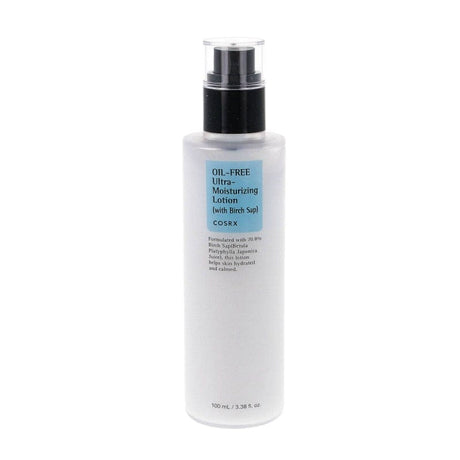

COSRX
COSRX OIL-FREE Ultra-Moisturizing Lotion (med björksav) - 100 ml
Ordinarie pris 168,39 krEnhetspris168,39 kr /100ml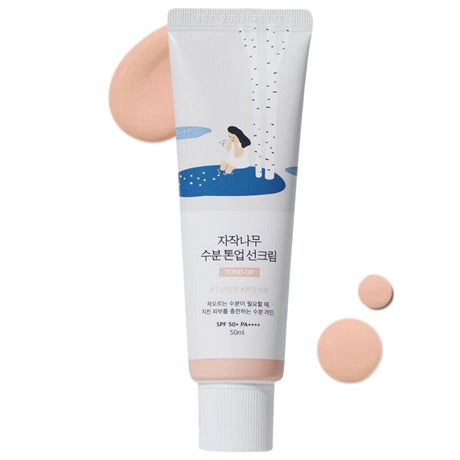
 10% rabatt
Round Lab
Round Lab Birch Moisture Tone-Up S UNS creen SPF50+ - 50 ml
Försäljningspris 150,09 kr Ordinarie pris 167,29 krEnhetspris300,18 kr /100ml


Round Lab
Round Lab Birch Juice Moisturizing Sun Cushion SPF 50+ PA++++ - 15 g
Ordinarie pris 171,99 krEnhetspris1 146,60 kr /100g


 25% rabatt
Bilovit
Bilovit Sauna Emulsion Björk - 250 ml
Försäljningspris 68,74 kr Ordinarie pris 91,69 krEnhetspris274,96 kr /l


Den här artikeln är endast i informationssyfte och ersätter inte medicinsk rådgivning. Om du har hälsoproblem, är gravid, ammar eller tar läkemedel, rådfråga läkare eller apotek. Kosttillskott ersätter inte en varierad kost.


