

Biotin är allmänt känt som ”skönhetsvitaminet” , även om dess roll i kroppen sträcker sig långt bortom det estetiska – namnet härstammar från det grekiska ordet som betyder ”livgivande,”, vilket bättre fångar dess egenskaper. Det håller kroppen i gott skick och vid regelbunden användning kan det främja hälsan hos hud, hår och naglar. Det stärker, ger glans, ger näring och är ett verkligt användbart tillskott till en daglig hälsorutin. Hur fungerar egentligen biotin? Vad är biotin? Biotin – även känt som vitamin H eller vitamin B7 – är en organisk förening och en av de åtta medlemmarna i B-vitaminfamiljen. Det förekommer naturligt i både växt- och djurvävnader och klassificeras som ett essentiellt näringsämne, som är avgörande för normal fysiologisk funktion. Biotin är vattenlösligt och absorberas i tunntarmen, men kroppen lagrar det inte i nämnvärda mängder utöver en liten reserv i levern. Eventuellt överskott utsöndras kontinuerligt i urinen, vilket innebär att biotinnivåerna måste fyllas på regelbundet.
En del biotin syntetiseras av tarmbakterier, och det finns i många livsmedel — dock vanligtvis i små mängder, som ytterligare minskas av jordbruksmetoder, bearbetning, och tillagningsmetoder. Biotin som tillförs via kosttillskott absorberas till nära 100 %, vilket gör tillskott till ett pålitligt och förutsägbart sätt att upprätthålla adekvata nivåer.
Biotins viktigaste strukturella komponenter
Biotin innehåller två biologiskt viktiga föreningar: inositol och pantotensyra. Inositol — ibland kallat vitamin B8 — är en prekursor som är involverad i hormonsignaleringsvägar. Pantotensyra (vitamin B5) är nödvändigt för normal metabolism av proteiner, sockerarter, och fetter, samt för syntesen av vissa hormoner. Tillsammans, bidrar dessa komponenter till biotins omfattande metaboliska roll.
Hur biotin fungerar i kroppen
Biotins primära metaboliska funktion är att stödja omvandlingen av kolhydrater till glukos — med andra ord, att omvandla mat till användbar energi. Det deltar också i fettmetabolismen och bryter ner proteiner till aminosyror som används för muskeluppbyggnad och vävnadsreparation. Utöver dessa kärnfunktioner, är biotin involverat i produktionen av protrombin (, vilket är nödvändigt för normal blodkoagulering) och fettsyrasyntes. Det stöder en sund sköldkörtelfunktion och bidrar till att hålla nervsystemet i gott skick.
På cellnivå spelar biotin en betydelsefull roll i histonmodifiering,, reglering av genuttryck genom transkriptionsfaktoraktivitet,, och cellsignalering – aspekter av dess funktion som placerar det långt bortom enkel kosmetisk relevans. Liksom andra B-vitaminer, har det dock, ett särskilt nära samband med den strukturella integriteten hos hud, hår, och naglar.
Biotin för hud, hår, och naglar
Biotin är direkt involverat i keratinsyntes — där keratin är det strukturella protein som utgör grunden för hud, hår, och naglar. Detta samband skapar en direkt koppling mellan biotinnivån och den synliga hälsan hos dessa vävnader. Vitaminet är ett av de bättre undersökta näringsämnena i sammanhanget Derma tologisk och kosmetisk hälsa, med en omfattande samling kliniska observationer som stöder dess praktiska relevans.
Effekter på huden
Biotin bidrar till tjockleken och elasticiteten hos epi Derma l-celler och stöder deras tillväxt och allmänna tillstånd. Det främjar produktionen av fettsyror som är involverade i talgkörtlarnas normala funktion — en process som är nära kopplad till hudens fuktbalans och motståndskraft. Vitamin B7 ger huden lyster, elasticitet och en frisk färg och kan bidra till att lindra olika besvär förknippade med inflammatoriska hudåkommor. Den talgreglerande effekten är särskilt relevant för personer som är benägna att drabbas av torr hud eller obalanserad talgproduktion. Utforska vårt sortiment av kosttillskott för hår, hud och naglar med biotin som främjar hudens hälsa inifrån.
Effekter på hår och naglar
Biotins inverkan på håret är en av dess mest dokumenterade kosmetiska tillämpningar. Det ger näring inifrån – vilket ger mjukhet, glans, och volym. För skadat, försvagat hår med tendens att falla av, kan regelbunden biotintillskott stimulera tillväxt, öka tätheten, och återställa ett friskt utseende. Studier har visat att konsekvent användning kan öka nagelplattans tjocklek och minska sprickbildning, vilket förbättrar den strukturella integriteten som gör att naglarna kan växa ostört.
Det är värt att ha realistiska förväntningar: tillskott ger de mest uttalade effekterna hos personer med en befintlig brist, och synliga förändringar tar vanligtvis flera månader att bli märkbara. Biotin är ingen snabblösning — det är ett grundläggande näringsämne vars fördelar ackumuleras över tid.
En viktig övervägning: Biotin och laboratorietester
Regelbunden biotintillskott kan påverka vissa diagnostiska testresultat – inte genom att verkligen förändra de biologiska parametrarna, utan eftersom biotin är en beståndsdel i många laboratorie-reagenser som används vid immunoanalyser. Det kan ge falskt låga koncentrationer av hormoner som TSH, FSH, och LH, samt falskt höga nivåer av aktiva vitamin D-metaboliter. Påverkan har även dokumenterats vid tester för folat, vitamin B12, och vissa cancermarkörer — vilket potentiellt kan leda till missvisande resultat och felaktig klinisk tolkning.
Den praktiska anvisningen är enkel: sluta med biotintillskott minst 2–3 dagar före planerade laboratorietester, och informera din läkare om du tar tillskott regelbundet. Detta är en enkel försiktighetsåtgärd utan hälsomässiga konsekvenser — biotin lämnar kroppen snabbt.
Biotinbrist: Symtom och riskgrupper
Biotinbrist är relativt ovanligt hos friska individer med en varierad kost, men när det uppstår kan det ge upphov till en rad symtom som uppträder gradvis och intensifieras med tiden. Vanliga tecken på låg biotinnivå inkluderar hudirritation, torrhet, och seborroiska förändringar; ökat håravfall (som ibland sträcker sig till ögonbryn och ögonfransar); nedsatt nageltillväxt; sömnighet och apati; koncentrationssvårigheter; irritabilitet; muskelsmärta och stickningar; sensorisk överkänslighet; samt konjunktivit.
Långvarig brist kan leda till allvarliga störningar i fettmetabolismen, neurologiska förändringar, ketoacidos, och återkommande inflammatoriska tillstånd — samt en tydlig försämring av hudens, hårets, och naglarnas tillstånd.
Grupper med förhöjd risk inkluderar de som tar hormonella preventivmedel, personer med ärftlig biotinidasbrist, de med alkoholism eller inflammatorisk tarmsjukdom, samt individer vars tarmflora av någon anledning är betydligt störd. Långvarig läkemedelsbehandling är också en relevant faktor — flera vanliga läkemedelsklasser, inklusive betablockerare, retinoider, blodförtunnande medel, och antikonvulsiva medel, är kända för att störa biotinupptaget.
Biotintillskott anses vara mycket säkert. Det finns ingen fastställd tolerabel övre gräns eftersom det inte finns några bevis för toxicitet, inte ens vid höga doser – kroppen eliminerar effektivt det den inte behöver. För dem som löper risk för brist, och för dem som söker riktat stöd för hudens, hårets, och naglarnas hälsa, utgör det en av de mer okomplicerade och välunderbyggda näringsinterventionerna som finns tillgängliga. Du kan utforska ytterligare alternativ i vår Vitamin B-kollektion.
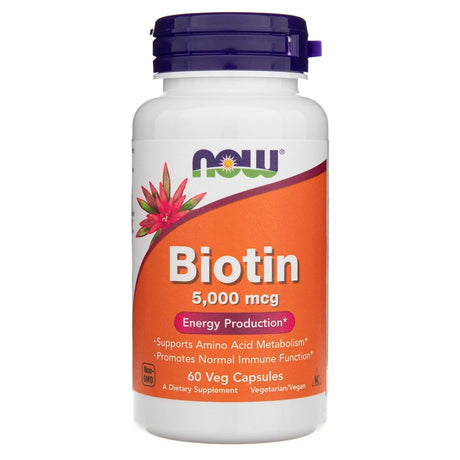


Now Foods
Now Foods Biotin 5000 mcg - 60 vegokapslar
Ordinarie pris 81,09 krEnhetspris1,35 kr vardera


Aliness
Aliness Biotin 2500 mcg QualiBiotin ® - 120 tabletter
Ordinarie pris 95,29 krEnhetspris0,79 kr vardera


För en mer heltäckande strategi för hud, hår, och nagelhälsa, erbjuder multivitaminkomplex som kombinerar biotin med kollagen, kiseldioxid, och andra synergistiska föreningar ett bredare stöd i en enda produkt. Följande är några av de mest kompletta alternativen i vårt sortiment.


Vitaler's
Vitaler's Silibiotin - Hår, Hud, Naglar - 180 tabletter
Ordinarie pris 82,19 krEnhetspris0,46 kr vardera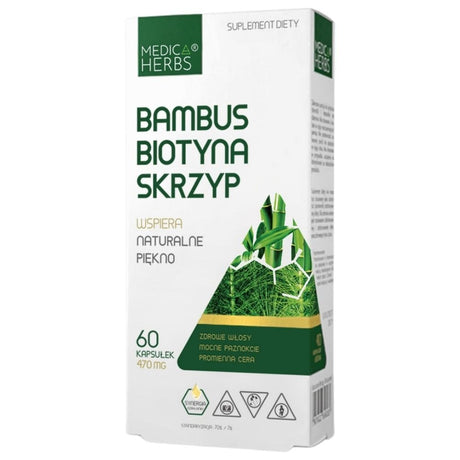

Medica Herbs
Medica Herbs Bamboo Biotin Horsetail – 60 kapslar
Ordinarie pris 60,69 krEnhetspris1,01 kr vardera

Medverita
Medverita Biotin Vitamin B7 (H) 2500 mcg - 180 kapslar
Ordinarie pris 55,89 krEnhetspris0,31 kr vardera


Den här artikeln är endast i informationssyfte och ersätter inte medicinsk rådgivning. Om du har hälsoproblem, är gravid, ammar eller tar läkemedel, rådfråga läkare eller apotek. Kosttillskott ersätter inte en varierad kost.


