

Astragalus – känd inom traditionell örtmedicin som mjölkväx – är en av de mest uppskattade växterna inom traditionell kinesisk medicin. Astragalus konsumeras ofta som örtte och har länge uppskattats för sin förmåga att stödja immunförsvaret samt för sin positiva inverkan på organ som njurarna, levern och hjärtat. Den kan också bidra till hälsosamma glukos- och kolesterolnivåer. Men detta är bara några av de egenskaper som tillskrivs denna uråldriga växt, som stadigt vinner den typ av internationellt erkännande som en gång var förbehållet ginseng.
Vad är Astragalus?
Astragalus är en anspråkslös växt med fjäderliknande blad och små, färgglada blommor som varierar i nyans beroende på art. Den växer vilt över hela norra halvklotet — i Europa, Nordamerika, och Asien — även om traditionell örtmedicin har visat störst intresse för Astragalus membranaceus, en art som är hemma i Kina, Mongoliet, och Sibirien.
Det var kineserna som först insåg den medicinska betydelsen av astragalus, och de fortsätter att använda den i stor utsträckning än idag. Det kinesiska namnet på växten – Huang Qi – översätts bokstavligen som ”gul ledare, ”, en hänvisning till den karakteristiska gula roten från vilken dess terapeutiska föreningar extraheras. I Kina har astragalus en sådan kulturell betydelse att den inte bara används i medicinska preparat utan också som krydda i den dagliga matlagningen.
Astragalus — Egenskaper och hälsofördelar
Stöd för immunsystemet
Den mest erkända egenskapen hos astragalus är dess stimulerande effekt på immunsystemet. Vid tillstånd som kännetecknas av kronisk immunbrist — inklusive vid cancer, HIV/AIDS, diabetes, och njursvikt — har forskning visat att astragalus kan stimulera makrofagaktivitet, främja TiB antikroppsproduktion, och öka lymfocytproliferationen. I samband med onkologiska behandlingar, kan dess roll vara tvåfaldig: att stödja immunfunktionen samtidigt som den potentiellt minskar biverkningarna av konventionella cancerbehandlingar.
Hjärt- och kärlhälsa
Astragalus har en väl dokumenterad traditionell koppling till hjärt- och kärlhälsa. Det har använts för att stödja patienter med hjärtsvikt och de som r Ecover återhämtar sig efter hjärtinfarkt. Forskning tyder på att det kan stärka hjärtmuskelns sammandragningskraft, vilket i sin tur bidrar till förbättrad blodcirkulation i hela kroppen. Ytterligare kardiovaskulära fördelar som traditionellt tillskrivs astragalus inkluderar förbättrad hjärtrytm och en potentiell roll i att förebygga bildandet av aterosklerotiska plack.
Antivirala egenskaper
Astragalus uppmärksammas också för sin antivirala potential, särskilt mot virus som orsakar vanlig förkylning och influensa. Det är dock, viktigt att notera att astragalus traditionellt rekommenderas som en förebyggande åtgärd snarare än som en behandling av en aktiv infektion. Att använda det under en akut sjukdom — särskilt en som innefattar feber — kan faktiskt förvärra symtomen snarare än att lindra dem.
Blodsocker och diabetes
Diabetes är ett annat område där astragalus har väckt vetenskapligt intresse. Vissa bevis tyder på att det kan bidra till att minska kroppens behov av diabetesläkemedel genom att främja sundare blodsockernivåer. Detta är dock just anledningen till att medicinsk övervakning är nödvändig — om du börjar ta astragalus vid sidan av befintlig diabetesbehandling måste din läkare informeras för att förhindra hypoglykemiska episoder eller andra komplikationer till följd av oväntat lågt blodsocker.
Kognitiv funktion
Preliminär forskning har visat att astragalus kan stödja minne och inlärningsförmåga, vilket väcker hopp om dess potentiella roll i stödet till personer med Alzheimers sjukdom., Det krävs dock betydligt mer forskning innan några definitiva påståenden kan göras inom detta område.
Skydd av njurar och lever
Astragalus har en positiv inverkan på njurfunktionen, delvis genom sin milda urindrivande effekt. Dess fördelar för levern är lika anmärkningsvärda — traditionell användning inkluderar en skyddande roll mot toxiska ämnen såsom alkohol, samt potentiellt stöd för att bromsa utvecklingen av levercirros och begränsa de skadliga effekterna av viral hepatit. Regelbunden, långvarig användning av örten anses traditionellt vara nyckeln till att uppnå dessa skyddande leverfördelar.
Astragalus — Dosering
Astragalus finns oftast i kapselform, och doseringen beror på koncentrationen i det specifika produkten. En standardrekommendation är en till tre kapslar per dag, även om detta varierar — följ alltid tillverkarens anvisningar på produktetiketten.
För dem som föredrar en traditionell beredning, finns astragalus även som pulver. För att tillaga ett örtte, tillsätt en tesked pulveriserad astragalusrot i en kopp kokande vatten, täck, och låt dra i 20 till 30 minuter. Detta te dricks vanligtvis en gång om dagen, och bör tillredas färskt varje gång för optimal verkan.
Utforska vårt utbud av astragalustillskott från pålitliga varumärken:
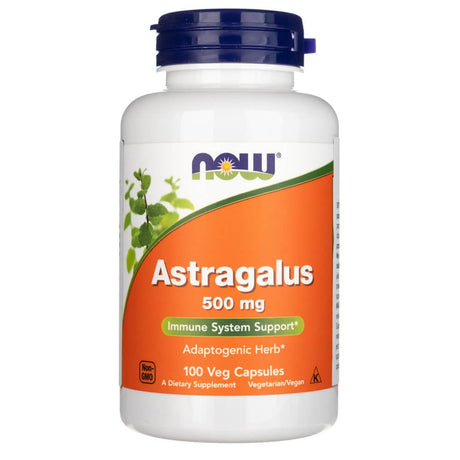


Now Foods
Now Foods Astragalus 500 mg - 100 vegokapslar
Ordinarie pris 98,89 krEnhetspris0,99 kr vardera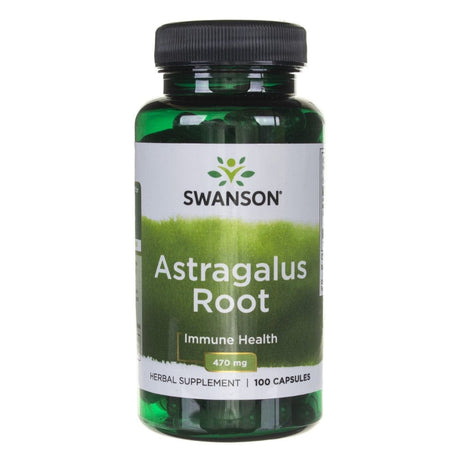


Swanson
Swanson Full Spectrum Astragalus Root 470 mg - 100 kapslar
Ordinarie pris 64,29 krEnhetspris0,64 kr vardera


Medica Herbs
Medica Herbs Astragalus (Traganium) 600 mg - 60 kapslar
Ordinarie pris 67,89 krEnhetspris1,13 kr vardera


Astragalus — Kontraindikationer
Astragalus anses generellt vara en säker ört, men vissa grupper bör undvika den eller endast använda den under medicinsk övervakning:
- Allergi — även om det är sällsynt, är varje allergisk reaktion mot astragalus eller dess beståndsdelar ett omedelbart skäl att avbryta användningen
- Graviditet och amning — astragalus bör inte användas under graviditet eller amning, eftersom det kan orsaka oönskade effekter
- Autoimmuna tillstånd — eftersom astragalus stimulerar immunaktiviteten, kan det förvärra autoimmuna sjukdomar där immunsystemet redan är överaktivt
- Immunsuppressiva läkemedel — personer som tar immunsuppressiva läkemedel (t.ex. efter organtransplantationer) bör undvika astragalus, eftersom det kan motverka läkemedlets avsedda effekt
- Blodförtunnande läkemedel — astragalus kan förstärka effekten av antikoagulerande läkemedel, vilket ökar risken för blödning
. Som med alla örtkosttillskott, är den viktigaste regeln att aldrig överskrida den rekommenderade dosen. När det används på ett ansvarsfullt sätt, kan astragalus vara ett värdefullt tillskott till din hälsorutin. För ett bredare utbud av örtkosttillskott som stödjer olika aspekter av hälsan, utforska örtkosttillskottskollektionen hos Medpak.
Viktig slutsats: Astragalus är en kraftfull traditionell ört med en 2, 000-årig historia inom kinesisk medicin. Den kan stödja immunfunktionen, hjärt- och kärlhälsa, skydd av lever och njurar, samt hälsosamma blodsockernivåer. Finns i kapsel- och pulverform, och används bäst förebyggande och alltid inom rekommenderade doser — särskilt om du tar receptbelagda läkemedel.
Den här artikeln är endast i informationssyfte och ersätter inte medicinsk rådgivning. Om du har hälsoproblem, är gravid, ammar eller tar läkemedel, rådfråga läkare eller apotek. Kosttillskott ersätter inte en varierad kost.


