

Aromaterapi med eteriska oljor har ett verkligt terapeutiskt värde – den främjar den fysiska hälsan, reglerar humöret, renar luften, och skapar en miljö som främjar vila och koncentration. Men spridningsmetoden är lika viktig som oljan i sig. Olika typer av diffusorer bevarar de eteriska oljornas beståndsdelar i mycket olika grad, och att välja fel format kan innebära att man går miste om det mesta av det som gör aromaterapi effektivt. Här är en tydlig guide till alternativen.
Vad är en aromaterapidiffusor?
En aromaterapidiffusor är en apparat som bryter ner eteriska oljor till fina partiklar och sprider dem i luften. Det är inte bara en luftfräschare – dess huvudsakliga syfte är att släppa ut de flyktiga terapeutiska ämnena i eteriska oljor i ett utrymme i en form som kan andas in och absorberas. Detta gör valet av diffusortyp till ett viktigt beslut: vissa metoder bevarar oljans fullständiga kemiska profil, medan andra förändrar eller försämrar den avsevärt.
Till skillnad från traditionella keramiska oljebrännare, fungerar högkvalitativa diffusorer utan öppen låga, sprider oljan jämnt i lämpliga koncentrationer, och – i bästa fall – uppnår detta utan värme, vilket är nyckelfaktorn för att bevara de terapeutiska egenskaperna. Utforska vårt kompletta sortiment av diffusorer och nebulisatorer för tillgängliga alternativ.
De fyra huvudtyperna av diffusorer
Nebuliserande diffusor — Bäst för terapeutiskt bruk
En nebuliserande diffusor använder en ström av tryckluft för att finfördela ren eterisk olja — utan vatten, och utan värme. Den resulterande mikrodimman innehåller partiklar som är så små Enough att de förblir svävande i luften i timmar, och eftersom oljan används outspädd och vid rumstemperatur, bevaras dess fullständiga kemiska profil. Detta är den enda diffusortypen som utnyttjar oljans fulla terapeutiska potential.
Koncentratet som sprids är intensivt och djupgående, vilket också innebär att den är mer ekonomisk vad gäller oljevolym än metoder som späder ut med vatten. Nebuliserande diffusorer höjer inte luftfuktigheten i rummet. De flesta högkvalitativa modeller är tillverkade av glas – både av estetiska skäl och eftersom glas inte interagerar kemiskt med eteriska oljor. De fungerar med alla oljetyper och är det föredragna valet för medicinsk eller riktad aromaterapi. Den största nackdelen är ljudet (från luftpumpen) och högre kostnad än andra typer.
Ultraljudsdiffusor – populär och praktisk
Ultraljudsdiffusorer använder en liten nedsänkt skiva som vibrerar med hög frekvens för att bryta upp en blandning av vatten och olja till en fin dimma. De är tysta, finns i stor utsträckning, och fungerar även som luftfuktare. För allmän användning i rummet och stämningshöjning, är de fullt tillräckliga.
Den viktigaste begränsningen är att oljan späds ut med vatten, vilket minskar intensiteten. Dessutom, beror spridningsriktningen något på luftströmmar, vilket kan vara relevant för riktad inhalationsterapi. Viktigast av allt: vattenbehållaren måste rengöras regelbundet och noggrant. En varm och fuktig miljö är idealisk för bakterie- och mögelväxt, och att försumma underhållet skapar hälsorisker snarare än fördelar. Ultraljudsdiffusorer är inte heller lämpliga att använda i närheten av husdjur — ultraljudsfrekvenserna, som är ohörbara för människor, kan vara stressande för djur.
Värmediffusor — Minst rekommenderad
Värmediffusorer värmer upp oljan — antingen ren eller utspädd — med hjälp av ett elektriskt element. Mekanismen är bekant eftersom den påminner mycket om en traditionell keramisk oljebrännare. Tyvärr, delar den deras främsta nackdel: värme förändrar molekylstrukturen hos eteriska oljekomponenter. Flyktiga toppnoter försvinner först, aromatiska föreningar oxiderar, och det totala terapeutiska värdet minskar avsevärt.
Forskning har bekräftat att flera eteriska oljor är särskilt värmekänsligakänsliga, inklusive alla citrusoljor (grapefrukt, citron, lime, mandarin, apelsin), rosmarin, enbär, myrten, valnötmeg, och isop. Om du använder dessa oljor terapeutiskt, är en värmediffusor det minst lämpliga valet. Det är det billigaste alternativet men det minst effektiva för något utöver grundläggande rumsdoft.
Evaporativ (Fläkt) Diffusor — Snabb men ojämn
Evaporativa diffusorer leder luftflödet från en liten fläkt genom en dyna eller ett filter på vilket oljan appliceras. De sprider doften snabbt och täcker ett rum effektivt. Begränsningen är separationen av ämnen: lättare flyktiga molekyler avdunstar först, följt av tyngre, vilket innebär att den kemiska sammansättningen av det du andas in förändras under hela diffusionscykeln — du får inte den fullständiga, balanserade profilen av oljan vid något tillfälle. Filter som återanvänds utan rengöring kan också hysa bakterier och rester. För daglig användning i rummet är de praktiska, men för terapeutiska tillämpningar delar de vissa av begränsningarna med värmediffusion.
Diffusor vs keramisk oljebrännare
Den traditionella keramiska brännaren — uppvärmd av ett värmeljus — används fortfarande i stor utsträckning, men dess begränsningar är betydande. Utöver de uppenbara säkerhetsaspekterna – öppen låga, heta ytor som kan orsaka brännskador, lämplighet för användning under uppsikt eller i närheten av barn och djur – är värmen det centrala problemet. Många av de terapeutiskt mest värdefulla eteriska oljeföreningarna börjar brytas ned vid temperaturer som en brännare lätt överskrider. För enbart doft i rummet kan en brännare räcka — men för terapeutiska ändamål är en diffusor det rätta verktyget. Investeringskostnaden är högre, men det är avkastningen också.


Bilovit
Bilovit Nebulisator för eteriska oljor med keramiskt tillbehör
Ordinarie pris 739,29 krEnhetspris


Vilka eteriska oljor ska du använda i din diffusor
Valet av eterisk olja avgör den terapeutiska inriktningen på sessionen. Några av de mest mångsidiga och välbeprövade alternativen:
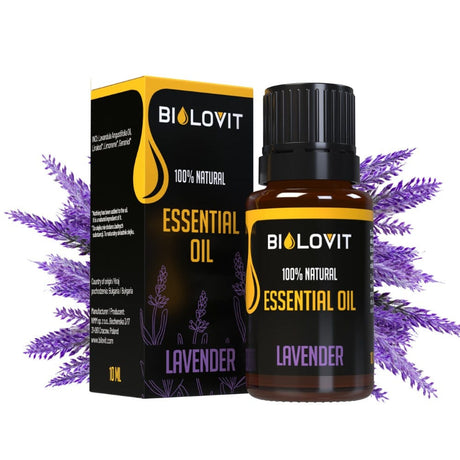
- Lavendel — ångestdämpande, sömnfrämjande, antiinflammatorisk; en av de mest undersökta eteriska oljorna
- Eukalyptus — slemlösande, antimikrobiell, användbar för stöd av luftvägarna
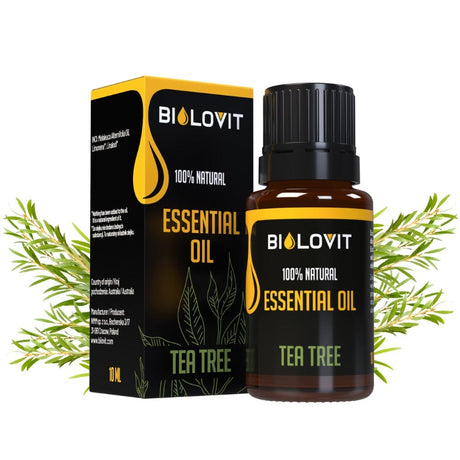
- Tea tree — bredspektrum antimikrobiell, luftrenande
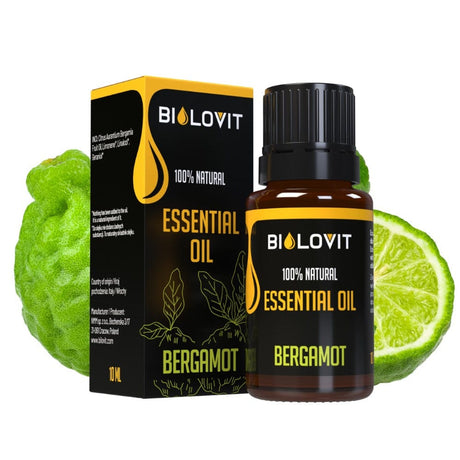
- Citron, grapefrukt, bergamott — upplyftande, stämningshöjande, uppfriskande; används bäst i nebulisatorer eller ultraljudsdiffusorer på grund av värmekänslighet
- Pepparmynta och grönmynta — mentalt stimulerande, hjälper till med koncentrationen och lindrar mild huvudvärk
- Cederträ, rökelse, patchouli — jordande, stressreducerande, användbar för meditation eller kvällsrutiner
- Timjan och rosmarin — antimikrobiellt, uppfriskande, bäst att använda i korta sessioner
Utforska hela sortimentet i vår samling av enskilda eteriska oljor för hela urvalet av enskilda oljor som finns tillgängliga hos Medpak.






Bilovit
Bilovit Eterisk olja av pepparmynta - 10 ml
Ordinarie pris 20,89 krEnhetspris20,89 kr /10ml


Bilovit
Bilovit Eterisk olja Frankincense - 10 ml
Ordinarie pris 107,99 krEnhetspris107,99 kr /10ml


En diffusor är en enkel men meningsfull investering. Att välja rätt typ – anpassad efter hur och varför du använder eteriska oljor – avgör om du får full terapeutisk nytta eller bara en behaglig doft. För alla som tar aromaterapins hälsoeffekter på allvar, ger en nebuliserande diffusor i kombination med högkvalitativa eteriska oljor av en enda ursprung det bästa som metoden har att erbjuda. Utforska vårt kompletta aromaterapisortiment med diffusorer, oljor, och tillbehör.
Den här artikeln är endast i informationssyfte och ersätter inte medicinsk rådgivning. Om du har hälsoproblem, är gravid, ammar eller tar läkemedel, rådfråga läkare eller apotek. Kosttillskott ersätter inte en varierad kost.


